Four billion zlotys and a 60% tribute to extraordinary profits from fuel companies. That's what the bill was expected to bring to the budget, which, along with cheaper fuel in the stations, was just stuck. Karol Nawrocki referred her to the Constitutional Court, pointing to the action of the law backwards. Donald Tusk responded with an attack, telling drivers to remember that decision at the fuel stations.
Danina, to sink the fuel
The plan of the taxation is simple to assume. The State wanted to scope 60 percent of the surplus gross over the alleged mention margin, calculated as a margin from the erstwhile financial year plus 20 percent. It included about 20 to 30 operators producing liquid fuels, trading them or bringing them into the country. The biggest contributor would be Orlen. The impact assessment shows that nearly 60 percent of the fresh taxation base would be allocated to the Płock company, the remainder being distributed to the remaining marketplace players.
The money was to go into the budget to balance the cost of the "Price of Fuel lower" package. The government reduced the VAT rate on fuel to 8 percent and cut the excise duty, and the failure of income was about to be made up by taxation on the profits of fuel companies. A full of about PLN 4 billion was counted, of which nearly 3.8 billion inactive this year. The bill was to enter into force on 1 August, but included profits earned from 1 March to the end of December 2026. The Sejm passed it in June, with 231 votes in favour of 201 against, and on 3 July Members adopted legislature amendments which reduced the burden.
President: The law does not work backwards
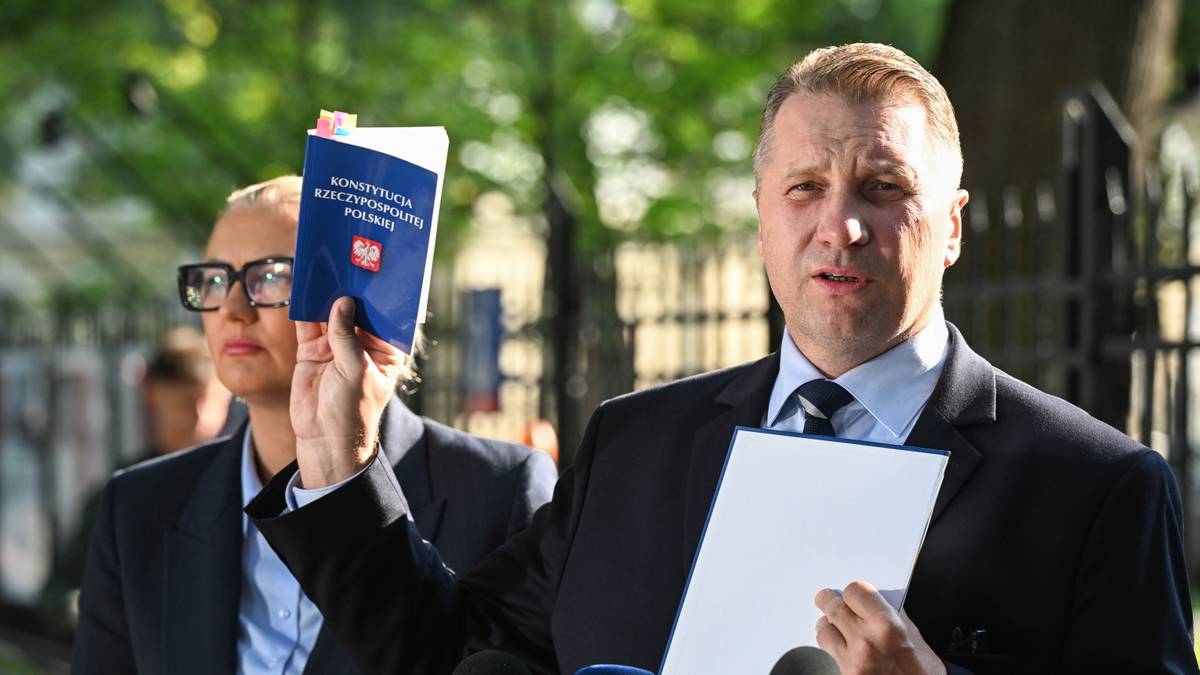
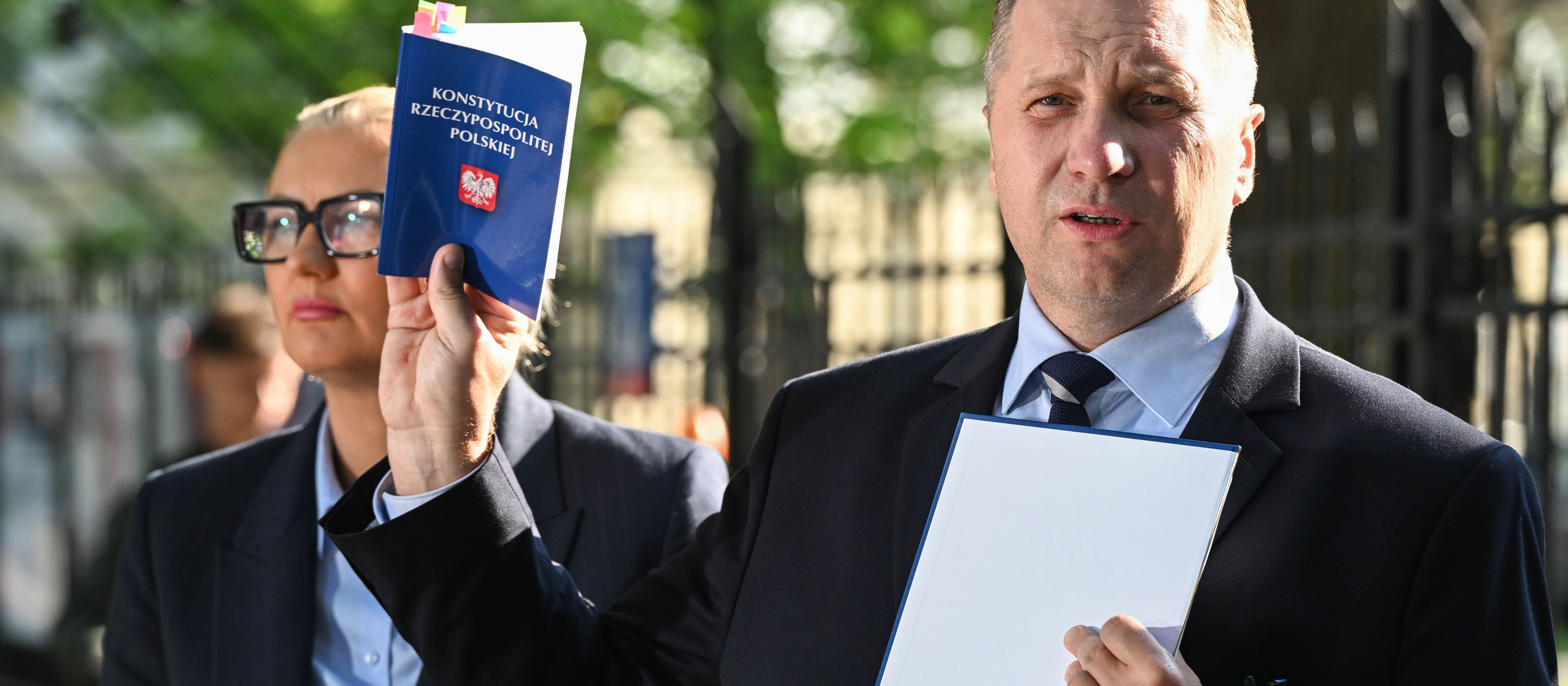
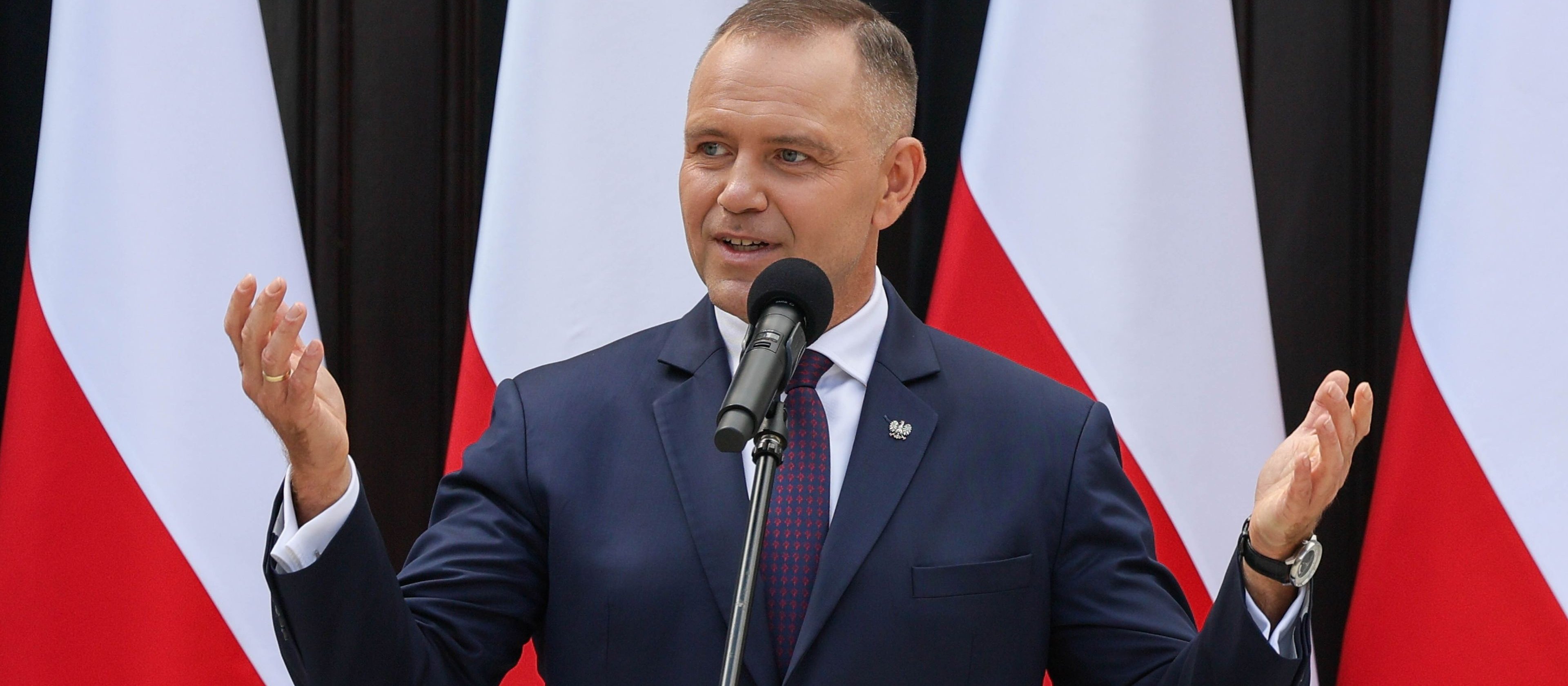
On Friday, July 24, Karol Nawrocki did not sign or veto the bill. He referred it to the Constitutional Court under preventive control, which freezes the provisions until the ruling. The president struck the very mechanics of the tribute. As he pointed out, “the law is due to enter into force in August, but the taxation would include gross already generated from the beginning of March. This means attempting to taxation activities retroactively." He recalled the Roman regulation of lex retro non agit, according to which the law does not apply retroactively.
The motion to the Court besides raised procedural allegations as to the way in which the law was passed and the infringement of the warrant of equality and the protection of property, alongside the regulation of law which is fundamental to the State under Article 2 of the Constitution. The head of the presidential cabinet, Paweł Kiebernaker, besides spoke. alternatively of imposing a fresh tax, the government should simply reduce VAT and excise work on fuel.
Prime Minister: Remember with the distributors
The head of government reaction came the next day. On the X platform, Donald Tusk wrote about the President's decision in a speech of prosecution. He claimed that Nawrocki blocked the bill allowing to taxation "gigantic profits from fuel companies" and finance lower prices at stations. The conviction that surrounded the network was, "Remember this at the distributors."
The Prime Minister was joined by Finance Minister Andrzej Domanski, according to which the president blocked the next billion planned for the budget. The government valued this failure at PLN 4 billion. The message of both politicians was consistent and counted on the emotion of the driver standing at the box office: guilty of a higher fuel price sitting in the Presidential Palace.
A dispute over profit, price and constitution
Behind the political turmoil lies the real economical problem. Danina was expected to draw above average margins, which fuel companies have broken in fresh months, and translate them into cheaper fuel for citizens. The problem is that the largest payer, Orlen, remains a company with the dominant share of the Treasury. The State would so partially taxation its own company, taking distant what is lost by 1 hand on a lower dividend.
The thought of reaching for extraordinary profits in the fuel sector itself is not fresh in Europe. Following the energy crisis of the 1920s and 2023, many EU countries have introduced temporary solidarity tributes from fuel and energy companies to mitigate the impact of costly energy carriers on citizens. The dispute over the Vistula is so not about the very thought of taxing the extraordinary margin, but about whether the State can claim the profits generated in the months in which the law was not yet in force.
The president has put the rule of which the national right has been defending for years: the law cannot punish for the actions taken before it has entered into force. It's an argument of body weight, hard to sale with a word about distributors. The decision now belongs to the Constitutional Court, and along with the bill, the promised simplification at stations was besides frozen. Until the judges rule, the bill for the dispute of 4 billion is opened and paid by the driver, both sides taking the stand.
Source: Polsat News