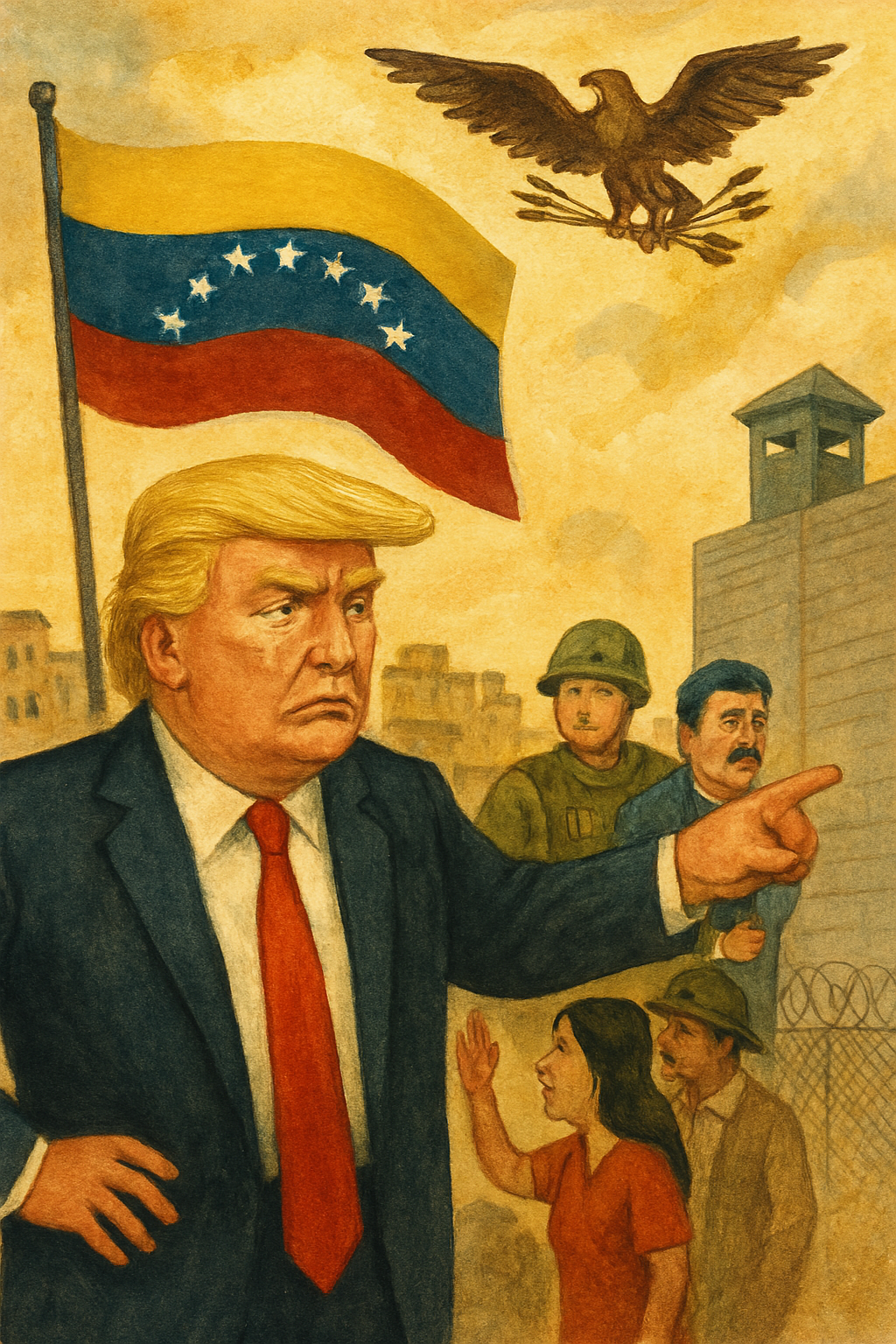
Venezuela after the spectacular arrest of Nicolás Maduro became a laboratory of the fresh US policy towards Latin America. Donald Trump rejects the mission of “exporting democracy”, returns to the logic of the spheres of influence and openly builds Donroe's doctrine—the own version of Monroe's doctrine. At the same time, the region is experiencing a violent turn to law, driven by the migration crisis, crime and fatigue of the left.
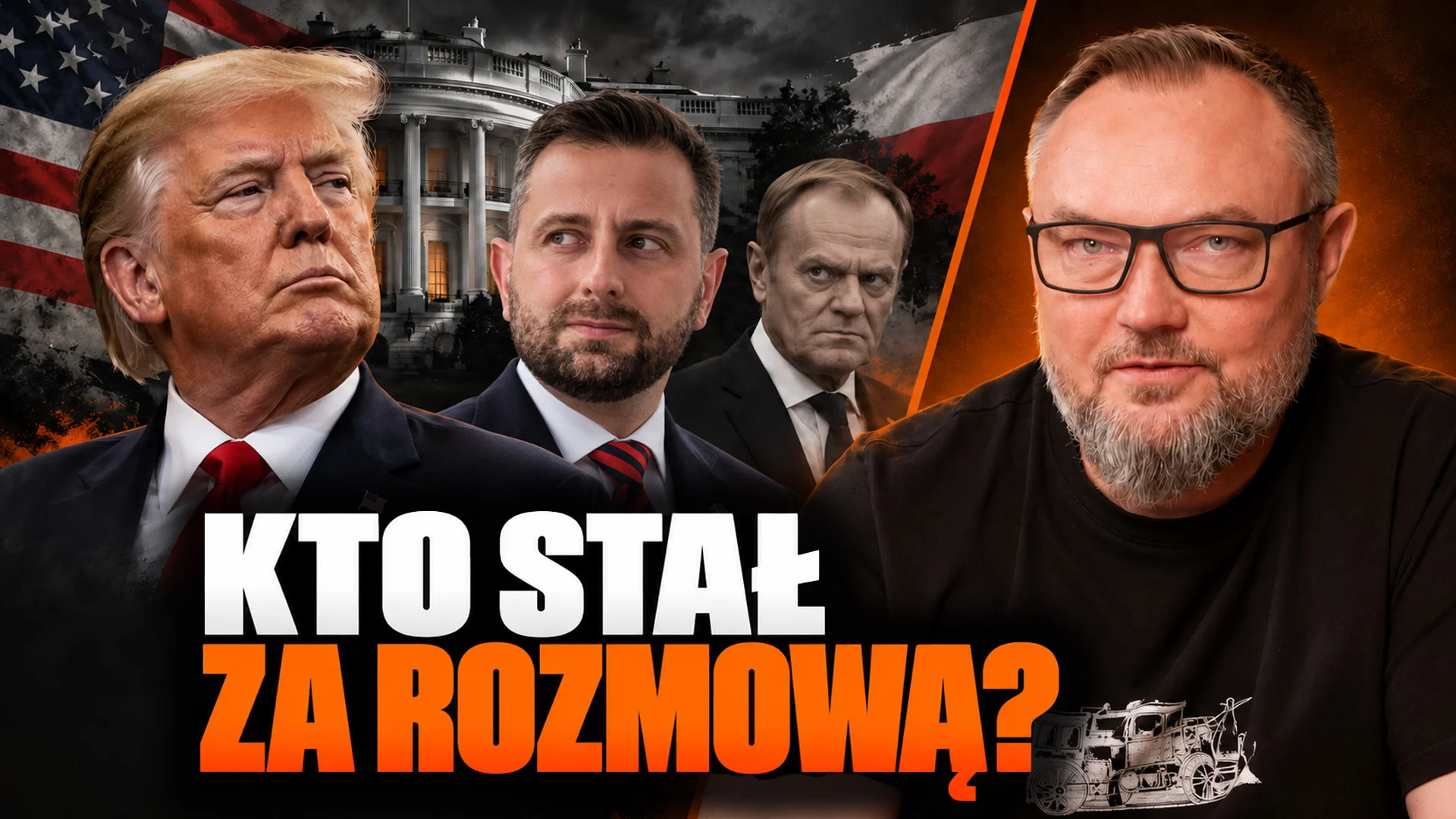
What policy does Donald Trump have towards Latin America? Is the time for Donroe’s doctrine? Mariusz Braszkiewicz talked about this with Simon the King - a Latin American from the University of Warsaw.
Venezuela: revolution without revolution
Although Maduro was kidnapped and taken distant by American soldiers, the power structure in Caracas remained intact. His closest colleagues – Delsi Rodríguez, Diosdado Cabello or Vladimir Padrino López – inactive control the state. Rodríguez, acting President, talks to Trump, but at the same time repeats that "the only president of Venezuela is Maduro".
Some political prisoners have been released, but the US is demanding the release of all. Trump announces that American oil companies will “start earning money for America” and any of the profits will go to Venezuelans. At the same time, it does not exclude the usage of force in the future.
What do Hispanics think about U.S. politics? – Mariusz Braszkiewicz – Simon the King
Authoritarianism in Bolivian
Mariusz Braszkiewicz and Simon Król remind that the foundations of the authoritarian strategy were created behind Hugo Chávez. The 1999 Constitution strengthened the President's power, weakened parliament, and the military brought state life into the centre. The 2009 referendum gave Chávez unlimited word of office. Maduro only completed the process of erosion of democracy.
Donroe Doctrine: Back to the 19th Century
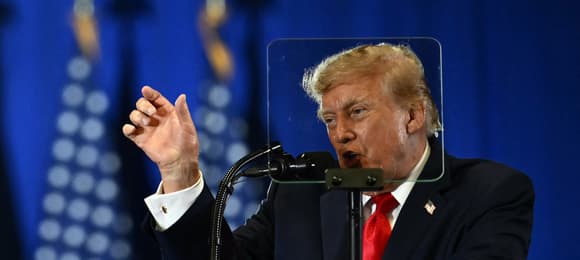
Trump openly declares that the western hemispher is “our yard”. In practice, this means returning to the logic of US dominance in the region – this time not through armed interventions, but through economical pressure, control of migration and the fight against drugs.
At the same time, the United States must face the fact that it has been losing its influence on China for 2 decades, which has become the main trading partner of most countries of the region.
What do Hispanics think about U.S. politics? – Mariusz Braszkiewicz – Simon the King
Right-wing wave: from Milei to Kasta
Since Javier Milei's triumph in Argentina, the region has experienced a violent turn to the right. Elections are won by candidates promising a hard fight against crime and migration:
- Bugele in El Salvador scored a re-election with a score of nearly 80%, building popularity on mass gang arrests.
- José Antonio Kast in Chile won with 58% support, announcing the deportations of Venezuelans and returning to “order and security”.
- Rodrigo Paz in Bolivia ended 20 years of left-wing rule.
USA–Mexico: Wall, Customs and Mundial
Washington–Mexico relations are more tense than ever. Trump threatens to renegotiate USMCA trade agreement, and Mexico, dependent on exports to the US, tries to mitigate the conflict, including blocking Chinese investments. At the same time, the force to halt migrants is expanding and Mexico is becoming a buffer for American migration policy.
In the background is approaching the Mundial 2026, co-organized by the US, Canada and Mexico. This is the only time that 3 countries request to work together – although even here Trump threatens to decision matches from "dangerous cities".


The region supports the overthrow of Maduro
The Atlas Intel survey shows that 60% of Latin American residents support US operation, although not necessarily military intervention itself. Venezuela is seen as a failed state and its crisis is seen as a origin of social and economical problems throughout the region.
A fresh Age
Latin America enters a time of violent shifts: moving distant from the left, expanding acceptance of authoritarianism, returning the US to a policy of force and expanding rivalry with China. Venezuela became a symbol of this change – and most likely only the beginning of a fresh era in relations in the Western hemisphere.
2025 IN AMERICA POLICIES – Mariusz Braszkiewicz