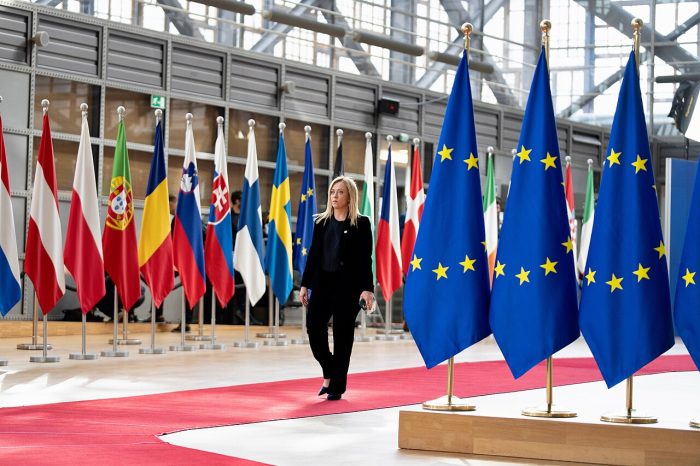
The amendment of Italy's position prejudged the conclusion of an agreement. Source: European Union photo.
The European Union's trade agreement with Mercosur has sparked heated discussions in Poland. For some, it is simply a symbol of globalisation that threatens home agriculture, for others the chance to strengthen the economical position of the country and the EU in a fragile world. This dispute resembles the emotions before Poland's entry into the Union: fear of competition, questions about standards and fear of losing marketplace influence. But can past repeat itself and today’s fears become exaggerated erstwhile the dust of political strife settles?
The agreement concluded in January is among the most ambitious and at the same time the most controversial trade agreements in the past of the European Union. It assumes broad economical cooperation with the South American bloc. It includes Brazil, Argentina, Paraguay, Bolivia and Uruguay. Mercosur, or the confederate Common Market, was created in the early 1990s. The 20th century as a regional integration task aimed not only at removing trade barriers between associate States but besides at strengthening their negotiating position and competitiveness in the global market. Over the years, it has become 1 of the most crucial economical groups in the world, and its associate States play an crucial function in global trade in natural materials, food and increasingly besides industrial products. Today, there are any 260 million people surviving in the Mercosur region, which together with the EU creates a marketplace of nearly 700 million consumers. This is the scope which makes this agreement not only a commercial instrument, but besides an crucial tool for EU economical and strategical policy.
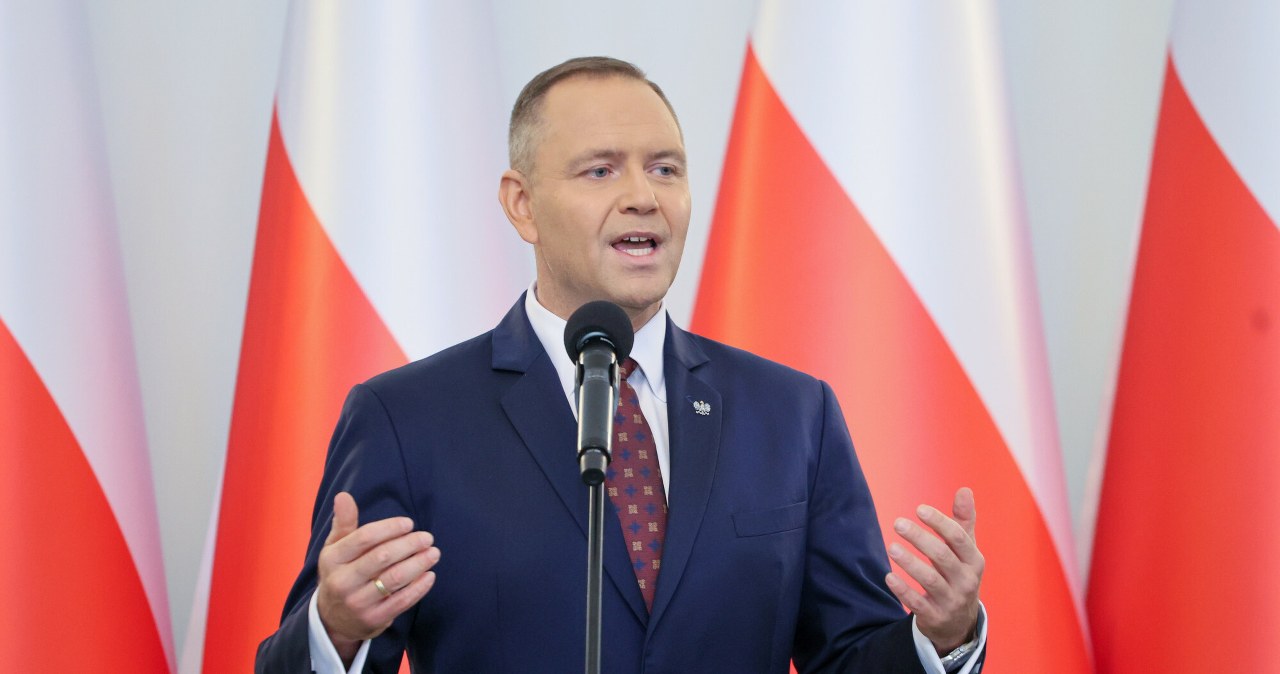
Mercosur becomes a origin for many Poles to worry, worry and unanswered questions. akin sentiments prevailed in the early 21st century: "I personally remember that the entry into the European Union was besides intended to endanger Polish farmers. This was not the case, and thanks to their accession to the EU, agriculture and farmers benefited from this,” stressed the expert on global economics and economical policy, Dr. Joanna Skrzypczyńska from the Faculty of Political Sciences and Journalism from Adam Mickiewicz University in Poznań.
Limits, duties and fresh markets
Contrary to the current opinion, the EU-Mercosur agreement does not mean an immediate and full beginning of the EU marketplace to South American agri-food products. It includes a number of safeguard mechanisms to give European producers time to adapt to fresh conditions. Trade in food will be strictly regulated and limited, peculiarly in sectors considered vulnerable. Customs quotas are provided, inter alia, for beef, poultry, sugar, honey and ethanol. In the case of beef, the EU marketplace is expected to mark little than 100 000 tonnes per year, or around 1.25% of EU production (more than 6 million tonnes). Furthermore, this quota will be gradually increased for six years and the work will not be abolished, but only reduced to 7.5%. The agreement besides provides for safeguard clauses. If imports would lead to a decrease in EU prices of more than 5%, the European Commission is expected to suspend imports within 14 days. All EU wellness and food standards will proceed to apply and food imports are to be closely monitored. However, the fact is that production standards in the Mercosur countries disagree from those in force in the EU countries, which raises objections from any associate States, including Poland. A bigger threat could be hiding somewhere else. “A much greater threat to the Polish agri-food sector is the hazard of reducing the request of EU importers for products originating in Poland and replacing them with those from confederate markets,” the expert notes. In particular, poultry producers study specified concerns.
The question of the possible affirmative effects of the agreement on Polish agriculture remains unclear and will most likely require active state policy. The manufacture can experience affirmative effects much more quickly. The automotive, chemical, device and pharmaceutical industries will benefit most due to technological needs and the absorbency of markets in South American countries. Access to public contracts is besides an crucial component of the contract. So far, these systems in the Mercosur countries have been heavy protectionist, and are now to be opened to EU companies. This may mean fresh opportunities for home companies: “Polish companies, frequently very competitively priced, can benefit from this, especially in the bus, tram or railway sectors,” says the expert.
Economic shield?
In a broader geopolitical context, the importance of the agreement for the EU and indirectly for Poland goes far beyond purely commercial issues. In a increasing global instability, trade wars and increasingly utilized protectionism, the European Union must actively search fresh predictable and long-term economical partnerships. The change in the US's trade policy, which is increasingly focused on protecting its own marketplace and reducing supply chains, as well as China's increasing presence in South America, makes it impossible for the EU to afford inactivity in regions with advanced economical potential. — Deeper cooperation with Mercosur strengthens Europe’s position in a region traditionally seen as a region of U.S. influence and is now increasingly penetrated by Chinese investments and capital. This is an chance for the EU to build a lasting relation based not only on trade, but besides on common standards, regulations and political dialogue," noted Dr Skrzypczyńska. However, this may not only be a challenge for our country, but besides a chance to have a position on the European market. However, to do so, action is necessary. “This requires an active strategy of the state and entrepreneurs, aimed at promoting Polish brands, utilizing qualitative advantage and building designation in distant markets. For the agri-food sector, it will be crucial not only to keep advanced production standards, which are celebrated for Polish food, but besides to inform consumers,” adds the expert.
The past of our accession to the EU teaches that the first fear of competition does not necessarily mean failure, but can even be an impulse for modernisation and growth. However, it will be crucial whether Poland will usage its assets – quality of production, price competitiveness and export experience – and whether the state and the EU will effectively guarantee the protection of delicate sectors and transparency of the market. The agreement with Mercosur is not an end in itself, but a tool for possibly strengthening the Polish economy, if it is wisely implemented and deliberately used.
MAZIOPA OIL