Iran blocks the Ormuz Strait: prof. Mohammad Marandi analyses the escalation of the conflict with the US
A fresh interview with Iranian prof. Mohammad Marandim, an expert on global relations, discussed the latest developments in the Strait of Ormuz. Iran turned the ships back in consequence to the ongoing US naval blockade. Marandi sees it as a clear signal to Washington and warns of disastrous consequences for the planet economy.
Background and current escalation
The situation in the Persian Gulf has increased dramatically over the last 24–36 hours. Iran turned its ships around through targeted action in the Strait of Ormuz and publically declared that the continuing US naval blockade is simply a violation of the ceasefire. Despite the alleged ceasefire in Lebanon, the Strait remains under close control of Iran.
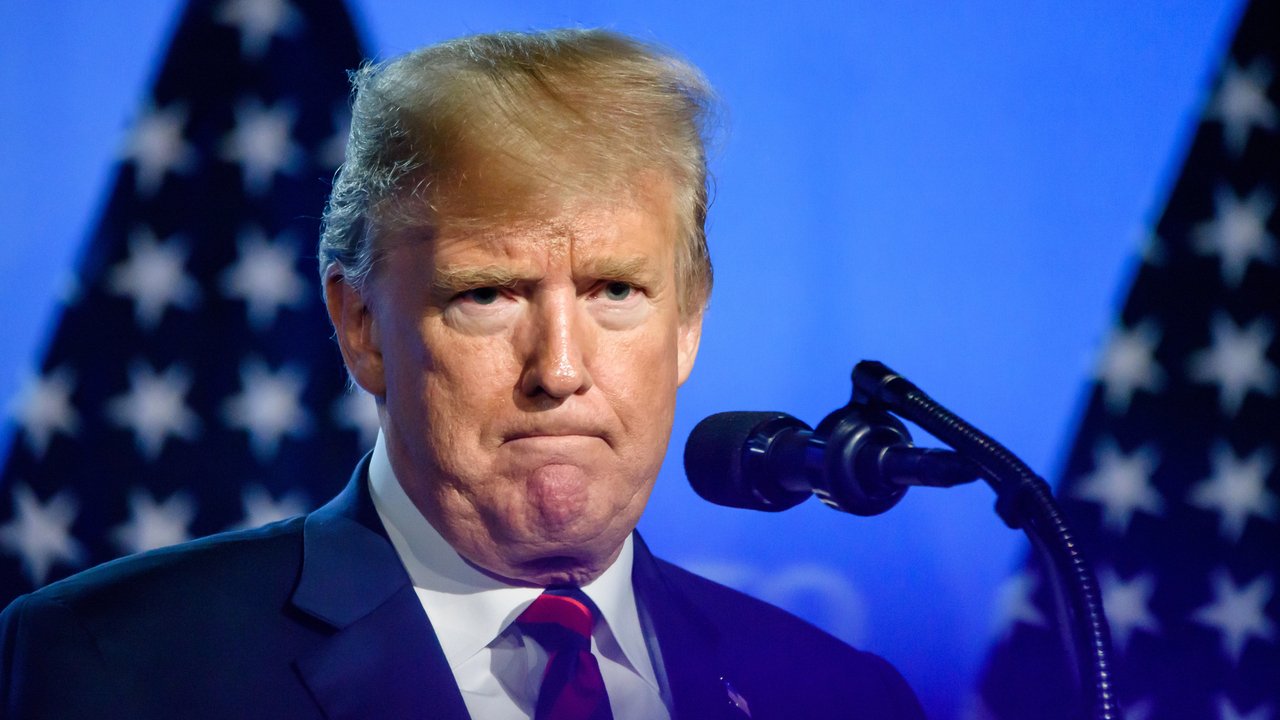
Ships considered hostile or utilized to exert force on the US will be returned. US president Donald Trump responded with further threats: if Iran did not step down and return to the negotiating table, it threatened to raid Iran's infrastructure, in peculiar oil installations and power plants.
The situation so seems to return to its starting point – rising energy prices and expanding global uncertainty. Marandi emphasises that the hopes for a fast reopening of the Strait of Ormuz after the ceasefire in Lebanon were dispelled.
Historical context from the Iranian perspective
Marandi returns to the root of the conflict. It describes the conflict in the Gaza Strip as genocide. And only Iran actively, as a state, calls it genocide. The United States and the West unconditionally support the "expansionist, genocide and ethnic-supermatist regime" in Israel, which sees itself as a "chosen nation" and "a race of masters", while others are considered "subhuman".
During the 12-day war, the U.S. and Israel waged an aggressive war against Iran, which was supported by the full West—including Germany. The German Chancellor reportedly called Israel the contractor “our dirty work.”
Iran responded by attacking, among others, an American base in Qatar, symbolically representing the Central Command of the USA (CENTCOM). The Gulf dictatorships have conspired against Iran for decades: they have funded Saddam Hussein in the Iraqi-Iran War with western chemical weapons, helped to invade Iraq, and during the “Arab Spring” supported the demolition of Libya and Syria through the CIA and Al-Qaeda.
Iran's current conflict and reactions
Marandi describes how she escalated the war with Iran: the US and Israel attacked civilian targets, specified as hospitals and schools, to which Iran gradually responded, attacking critical infrastructure in the Gulf States that provided attacking air bases, airspace and ports.
Without these arabian regimes, war on Iran would be impossible. Iran has been attacking Israeli and American targets continuously for 40 days. If the conflict escalates and includes Iranian civilian infrastructure, Tehran will respond harshly.
Marandi foresees the demolition of energy and electricity infrastructure in the Persian Gulf, which could lead to mass exodus from the Emirates, Kuwait, Qatar, Bahrain and parts of Saudi Arabia in the upcoming heat season. The region would become uninhabited and the production of oil, gas and petrochemical products would cease for years, leading to a global economical crisis.
Infringements of the ceasefire and the function of the Strait of Ormuz
The ceasefire was repeatedly breached. First by Israeli bombings in Lebanon shortly after its announcement and then by US keeping Iranian ports blocked.
In a motion of confidence, Iran initially allowed more tankers, including from the enemy countries, to flow through the Strait of Ormuz, but withdrew from this solution as the blockade continued. Ships from China, Russia, Iran and Iraq may flow, but not from the fighting Gulf states.
Trump one more time threatens to bomb Iran to the level of the stone age stripped of "humanicide" statements. Western media, specified as the Washington Post, even called for the assassination of Iranian negotiators.
Marandi harshly criticizes Western journalists, accusing them of complicity in war crimes. They usage terms specified as "Hezbollah fortress" to hide attacks on civilian areas.
Preparation and military strength of Iran
Despite the war, Iran produces rockets and drones faster than ever. His underground bases, factories and warehouses are indestructible. [Well, they're mostly undamaged. md]
The country has been preparing for a long war since the U.S. invasion of Iraq and Afghanistan (and the plans of 7 countries in 5 years, as Wesley Clark reported) – with thousands of decoys, solid air defence systems and site advantages.
The possible land offensive of the United States would have failed; the propaganda of fast victories would shortly prove false.
The attacks on Iran's infrastructure would be targeted not only in Israel and the US, but besides in the Gulf States that are involved. Marandi warns that shipping in the Persian Gulf is highly crowded; the escalation of the conflict would lead to immense losses.
Global Consequences and Multipolarity
The prof. paints a grim picture: rising energy and food prices are just the tip of the iceberg. In a fewer weeks, we are facing a global crisis that will lead to the closure of factories, mass unemployment, hunger and millions of refugees.
The United States and the West would lose credibility and military advantage. Iran has shown that it can withstand pressure, which raises respect and interest worldwide – including in China.
China and Russia would not intervene directly, but they do not fear the consequences. The conflict could accelerate the collapse of the U.S. empire, as the work for the global economical crisis clearly lies with Israel, the United States and Zionism.
W Iran has advanced morale, millions volunteer.
Perspectives and attractiveness
Marandi sees the danger of an imminent attack from the US. It calls for global resistance: boycotts, protests and force on governments to distance themselves from the "imperium of evil" and Zionism.
Despite the darkness, it is crucial to keep optimism and take responsibility. No 1 should feel guilty for the actions of his government, if he is doing the right thing.
The interview highlights the deep divisions in the mediate East conflict and the immense hazard to the planet economy. Events in the Ormuz Strait can rapidly trigger a chain reaction, the consequences of which will go far beyond the region.