American strike groups and absolute dominance in the air may not be adequate to unlock global oil trade.
From the latest authorial financial analysis, 1 of the most crucial points on the planet map has been paralyzed not by armed forces, but by European capital regulations and the withdrawal of insurance policies.
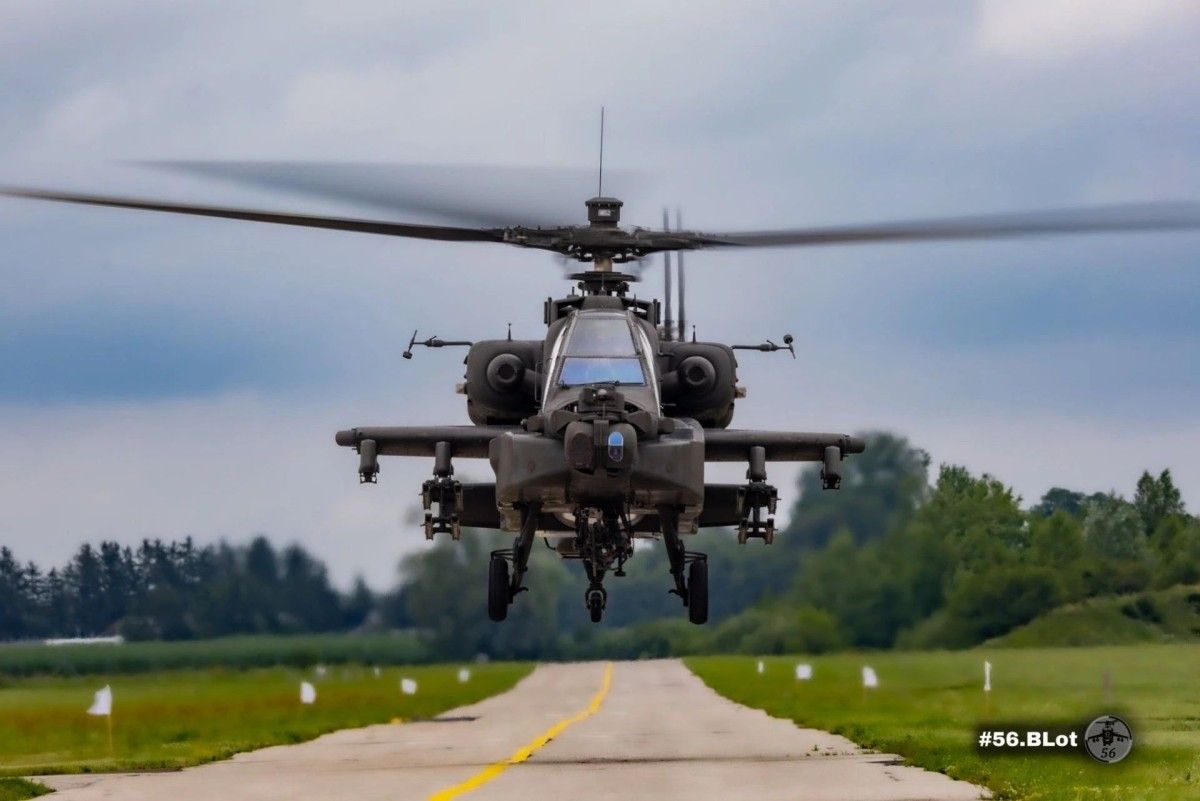
Most military commentators and financial institutions measure the current crisis in the mediate East through the prism of kinetic action, believing in a fast solution to the problem by force. The best evidence of this is the fact that a French air strike group is heading for the region with a Charles de Gaulle ship headed to support the American forces stationed there. Meanwhile, independent analyst Shanaka Anslem Perer in his loud, published on Substack platform report Puts a bold thesis: sending more ships misses the target. Markets completely misjudge the duration of this paralysis due to the fact that they ignore its actual financial mechanism.
Actuarial War, or insurers block ports
According to the data cited in the analysis, on 5 March 2026, 7 of the 12 major P&I clubs (insured a full of around 90% of the planet ocean tonnage) issued identical notices of cancellation of protection from war hazard for the Persian Gulf, the Oman Gulf and Iranian territorial waters.
They did not do so on government orders or due to physical military blockade. They withdrew due to the fact that their London reinsurers – struggling with unlimited risks in the active region of armed action – could no longer meet stringent capital requirements (Value-at-Risk) based on the European Solvency II standard.
The effect was immediate. The oil tankers' movement through the Ormuz Strait (corresponding to the transit of 20 million barrels of oil a day) fell from an average of 138 crossings to zero. Hundreds of ships are stuck, and freight rates have gone off into space. The study accurately explains this math: 1 lost VLCC-type supertanker is simply a cost of $150 million per hull, $100 million per cargo and virtually infinite commitments for a possible environmental disaster. The full yearly budget of the global war insurance marketplace (about US$1 billion) would not be adequate to cover even 1 specified claim.
Hypotheses about deficiency of central power and rocket mathematics
The problem is that global markets value this crisis as a short-term supply shock. According to Perry's investment theory, it's a immense mistake. The analyst bases his predictions on 2 key hypotheses concerning the situation in the region.
Firstly, the decapitation strikes of February 28 were to destruct the central center of power in Iran. According to the alleged ‘Mozaiki’ doctrine, the IRGC structures were to be divided into 31 full autonomous provincial commanders, each with its own rockets. For the insurance market, this means an absolute nightmare and alleged counterparty paradox – insurers require 1 unchangeable state entity with which effective guarantees of safe movement can be negotiated.
Secondly, there is simply a ruthless mathematics of military supplies on the way to a fast solution. Perera estimates that American resources of costly interceptors (such as THAAD or Patriot systems) are moving out at a fast pace, and their addition is simply a long-term process. The drones fired by the opponent cost a fraction of the price of defensive missiles, which, according to the author, creates an asymmetry that cannot be maintained in the long term.
The conclusion of this analysis is highly dreary for the markets: for the strait to be permanently open to trade, a military triumph is not enough. A complex, multi-monthly restoration of reinsurance hazard models is required, which according to the author of the study will take 6 to 18 months. This remains 1 possible explanation of the situation for the time being. The final developments will only show the months ahead.
Iran
If article Military triumph is not enough. How European laws and insurers closed the Ormuz Strait does not look right in your RSS reader, then see it on iMagazine.
![Trump vs. Leo XIV. Dispute between the throne and the altar [ANALYSIS].](https://cdn.defence24.pl/2025/05/08/1200xpx/lpxdciwzq60PQcL82nOlluOsfsblbyBXjUwCc6d5.3bzp.jpg)