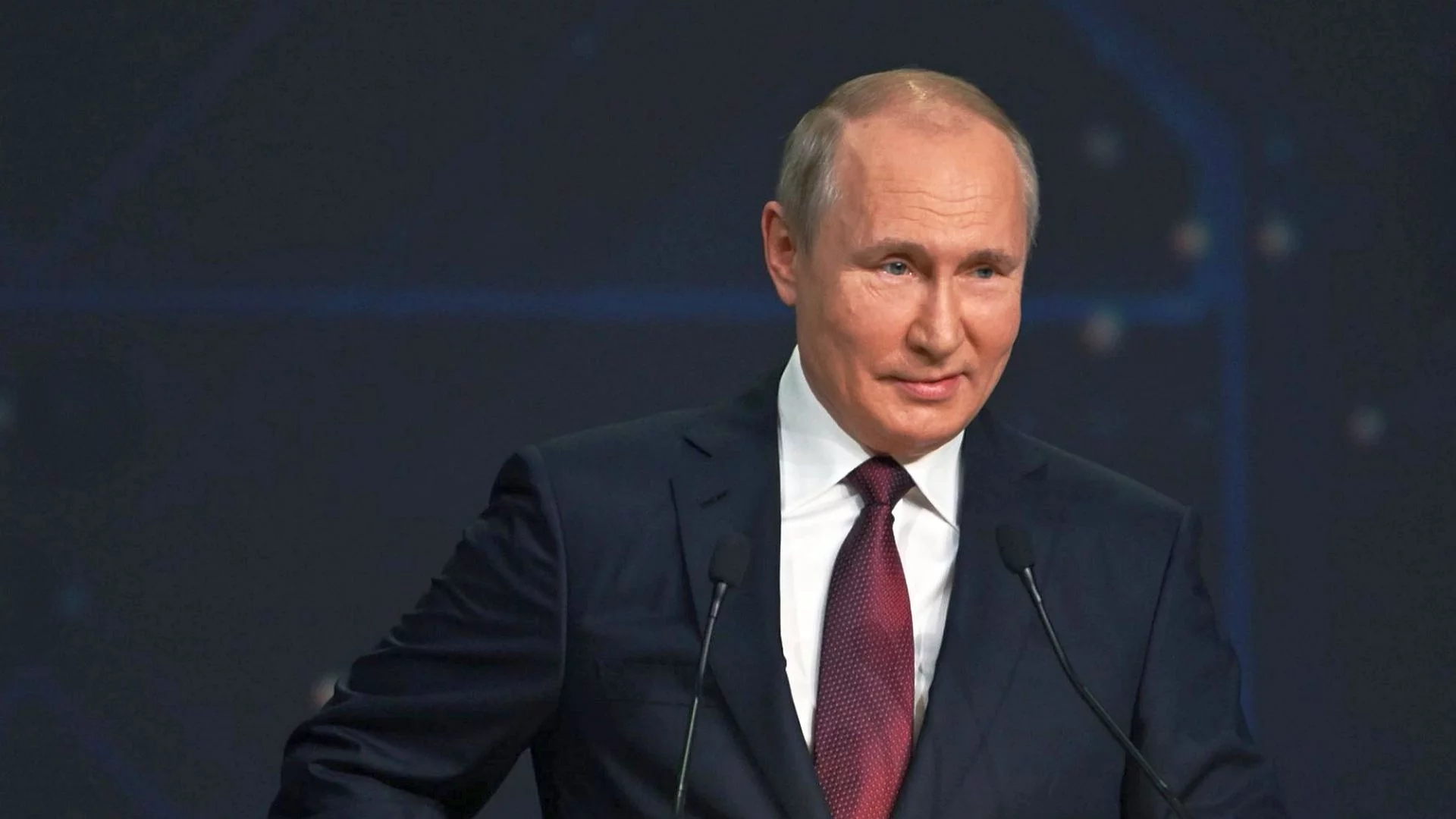
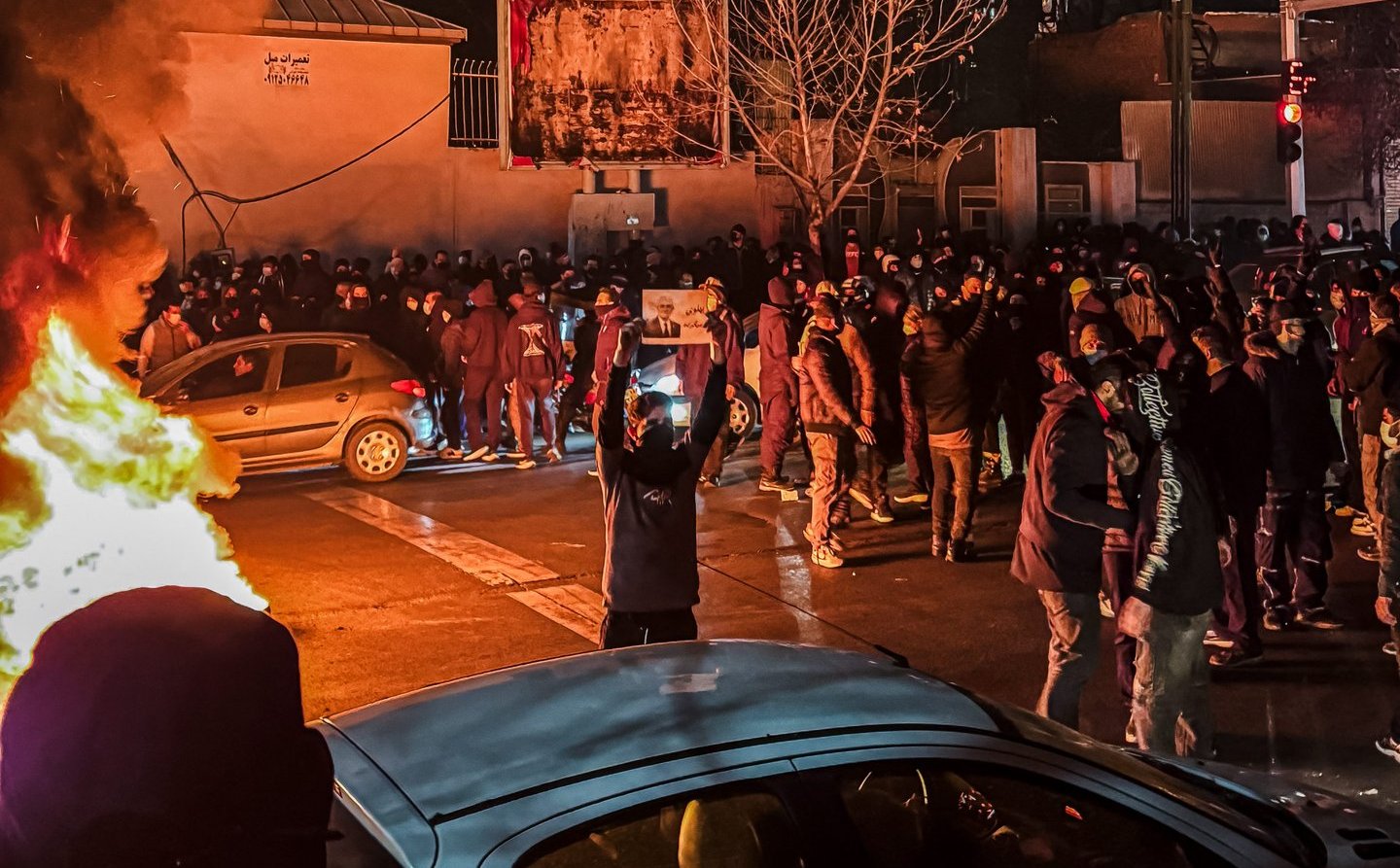
There is simply a series of cyber attacks, sabotage and information manipulation. The British safety experts present have no illusions: Britain is in a state of conflict with Russia. It is not a war in the classical sense, due to the fact that it is played in the shadows – apart from the attention of the public.
At the end of September this year, Eliza Manningham-Buller, erstwhile MI5 chief (British counterintelligence Agency), stated that Britain is at war with Russia during public appearances. Her statements widely cited, among others, "The Guardian" and "The Times", pointing to the return of the Russian operations from the time of Litvinenko, as examples of Kremlin's long-term and systemic hostility towards London.
From East London to the Irish Sea
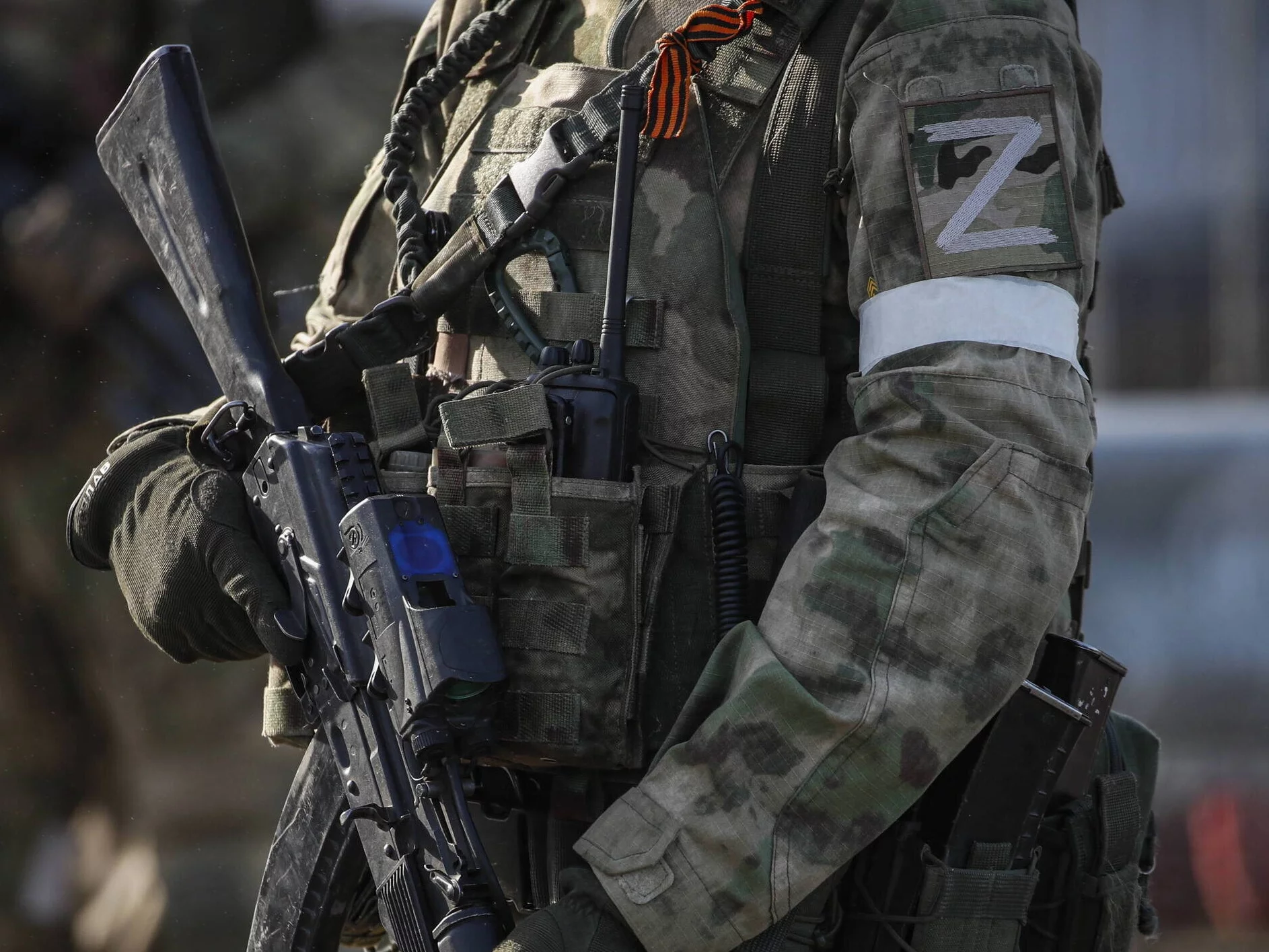
The current nature of Russian activity shows the scale of criminal cases and intelligence operations revealed in fresh months. In July 2025, a London court convicted 3 men of arson of a warehouse in the Leyton territory where aid and Starlink terminals were stored for Ukraine. According to the British anti-terrorism police and prosecutors, the attack was linked to Wagner Group's network. Reuters described this case as a confirmation of the sabotage activity commissioned by Moscow in the United Kingdom.
Only a fewer months earlier, in May 2025, the Old Bailey court issued judgments against members of the Bulgarian spy cell associated with Jan Marsalk – erstwhile financial manager of Wirecard, most likely hiding in Moscow since the scandal broke out (Wirecard was a German company in the payment technology industry, which went bankrupt in 2020 as a consequence of the largest financial scandal in Germany's history, and the losses were estimated at almost EUR 2 billion – see footnote). The Bulgarian-made shoal watched journalists and oppositionists while preparing operations against targets in the UK and the European Union.
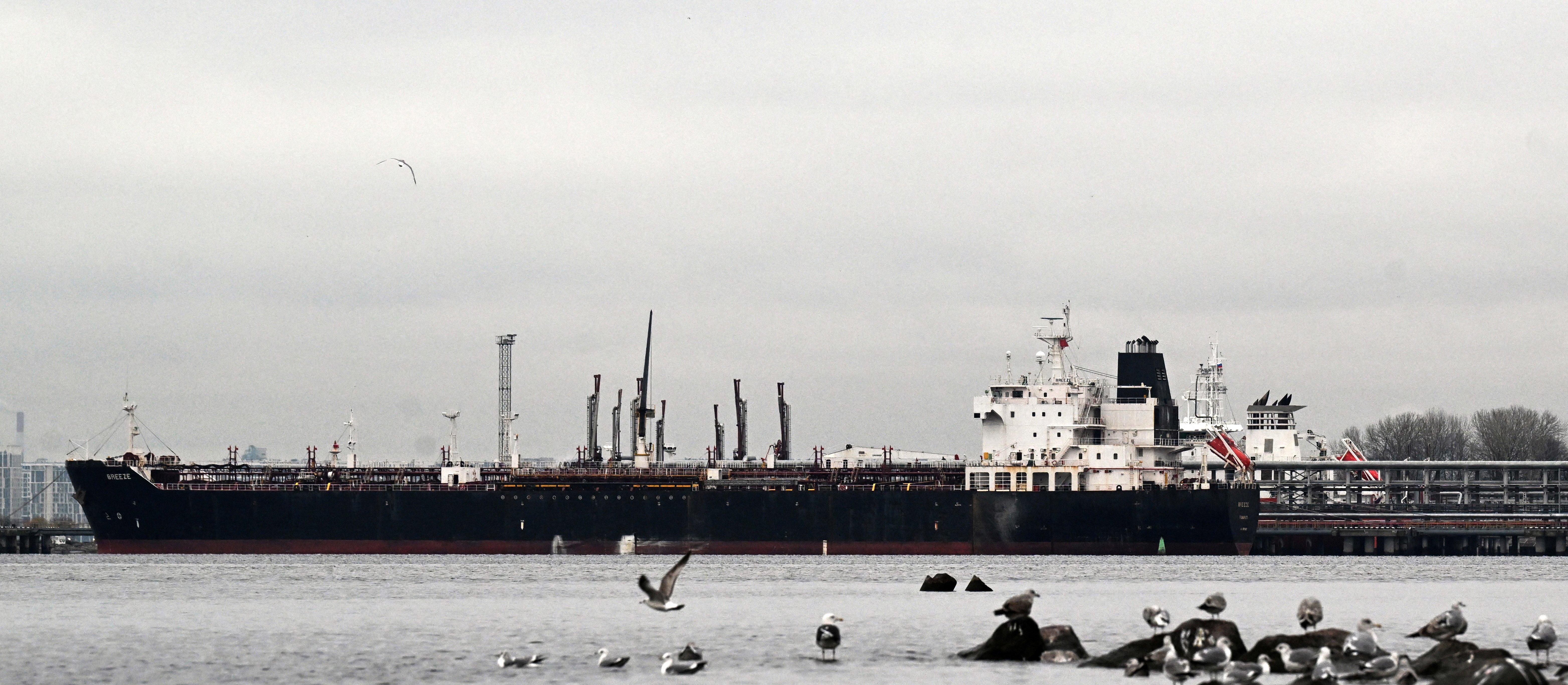
However, Russian operations are not confined to land. The "Financial Times" described the activity of the sub-marine reconnaissance vessel "Jantar" operating within the secret GUGI directorate, who for weeks patrolled the vicinity of the sub-marine telecommunications cables in the Irish Sea and along the British coast. GUGI (Russian: Gławnoje Prawnięce Dłubococowiejnych Isssledowanij, Main Directorate of Deep-Sea Research) is simply a supersecret directorate of the Russian MON liable for deep-sea intelligence operations: it operates specialised ships and batyskafy, conducts reconnaissance and possible anti-installations at the bottom (e.g. wire tapping/disturbing, energy infrastructure). In response, the UK armed itself with a fresh sensor system, as well as unmanned seabed devices (UUV – Uncrewed Underwater Vehicle) and a RFA Proteus ship (under the MROSS programme – a British program of ships for ocean surveillance and protection of offshore critical infrastructure).
Orwell 2025? Palade OSTRO: End of freedom of speech in Poland and the EU?
In turn, specialised units of Russian military intelligence GRU operate in cyberspace. On July 18, this year, the UK government revealed the actions of 3 key units marked by Russian numerical codes: 26 165, 74 455 and 29 155, and imposed sanctions on 18 of their members and identified these groups as liable for "the run to destabilise Europe".
Each of these units has a precisely assigned function. GRU 26 165 (also known as APT28 or Fancy Bear) is liable for cyber espionage operations and the “hack-and-leak” run – from the Bundestag, by the Democratic organization in the US, to French president Emmanuel Macron. The U.S. NSA and CISA consider 26 165 a key actor in operations against western logistics and administration.
Unit 74 455, known as Sandworm, specializes in destructive attacks on critical infrastructure. It is behind an energy failure in Ukraine in 2015 (BlackEnergy), Industroyer attack in 2016, NotPetya run in 2017 and actions against Georgia and South Korea.
GRU 29 155 is the unit liable for peculiar operations: sabotage, poison and political destabilisation. It was combined with an attack on the Skripals in Salisbury (2016), explosions in the Czech Vrbětica (2014), and an unsuccessful effort at a coup in Montenegro (2016).
These units operate in close coordination. As the Skripal case has shown, 26 165 had previously attacked Julia Skripal's email accounts, and 74 455 and 26 165 were to disrupt the OPCW investigation. Group 29 155 was liable for the physical assassination.
Sabotage as a abroad policy tool
British courts are increasingly investigating cases of sabotage sponsored by Russia. The judgement on arson in Leyton and the conviction of Marsalk's grid show that Russia uses alleged intelligence outsourcing: operations are carried out by abroad groups, linked to organised crime or acting for financial reasons. The Russian sanctions and joint diplomatic action – the United Kingdom and the European Union – are intended to impede the financing of diversion activities.
Prof. Modzelewski: Excise is FIKTION?! Mr. and Mrs. KOSI billions on alcohol?
Undersea cables: fresh theatre of operations
The increased attention of the British government is now devoted to the offshore telecommunications infrastructure, through which 97% of global communications flow. The ‘Jantar’ ship, belonging to the GUGI, was repeatedly observed close the delicate communications points off the coast of Britain and Ireland.
"Financial Times" and "The Irish Times" reported episodes with drones released from "Jantara", concealing AIS activities (Automatic recognition System) and the presence of individuals in delicate locations. The British consequence includes the expansion of the surveillance system, and the parliamentary study indicates, among others, landing stations in Bude and Lowestoft (two British port cities) as being peculiarly susceptible to sabotage.
Former heads of British services – Eliza Manningham-Buller (MI5), Alex Younger and John Sawers (MI6), Jeremy Fleming and David Omand from GCHQ (Government Communications Headquarters) – unanimously indicate the request to prepare for a fresh kind of war. It is not about tanks, but about infrastructure resilience, institution coherence and fast response. As David Omand stressed in public statements: "If we do not integrate the state's consequence to external and interior threats, Russia will do so for us – and more effectively".
Russian Counternarration and Appearance Game
The authoritative narration of the Kremlin, represented by spokesperson Dmitri Pieskov, denies all accusations of sabotage and espionage, calling them “propaganda”. However, the rulings of the British courts, reports of the EU and NATO institutions, and independent journalistic investigations clearly indicate the systemicity of Russian hybrid activities. The cold front between London and Moscow does not match a conventional armed conflict, but its effects are real and growing. Sabotage, cyber attacks, information operations and attempts to intimidate through force demonstrations – these are present the basic tools of Russian pressure. As Manningham-Buller stressed, "this is war – only different, little visible, but equally devastating to stability."
The fresh appeals of erstwhile heads of the British intelligence on "preparation for war" are not exaggerated – this call for a strategical redevelopment of the state's resilience: from law and courts, through industry, to social awareness. The game isn't just about the safety of underwater cables or the vulnerability of spies. The point is much bigger: to keep the integrity of the state in an era where the boundary between peace and conflict has been effectively blurred.
Jeremy Fleming, erstwhile head of GCHQ, noted: “Our advantage was always that we played clean. But present we must besides be faster, smarter and little naive. due to the fact that the stake is not to win, but to last the rules that give us freedom.”