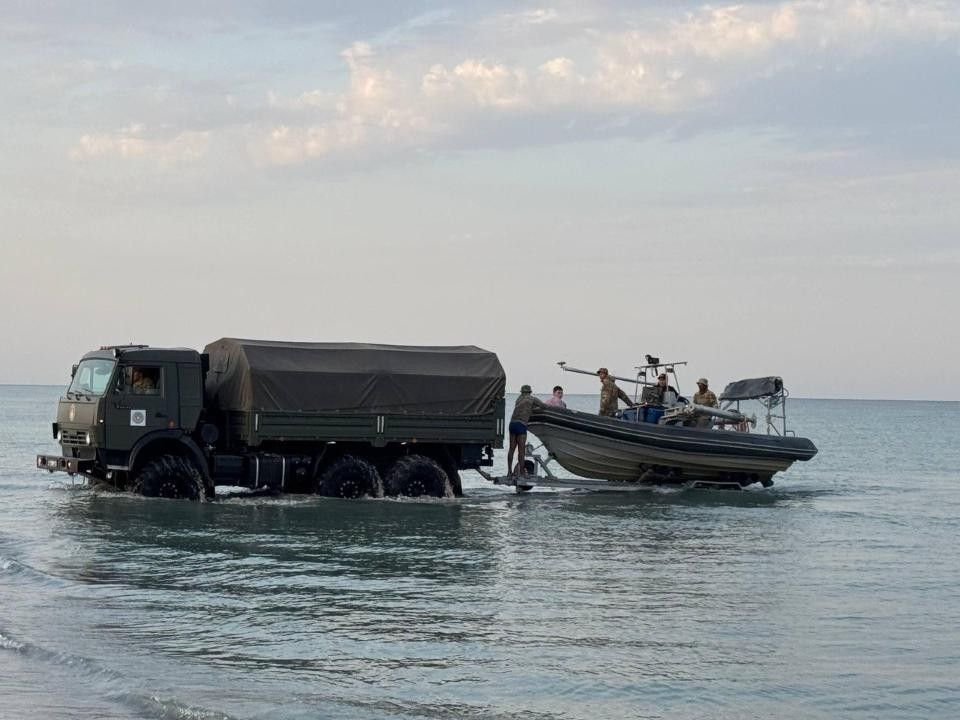
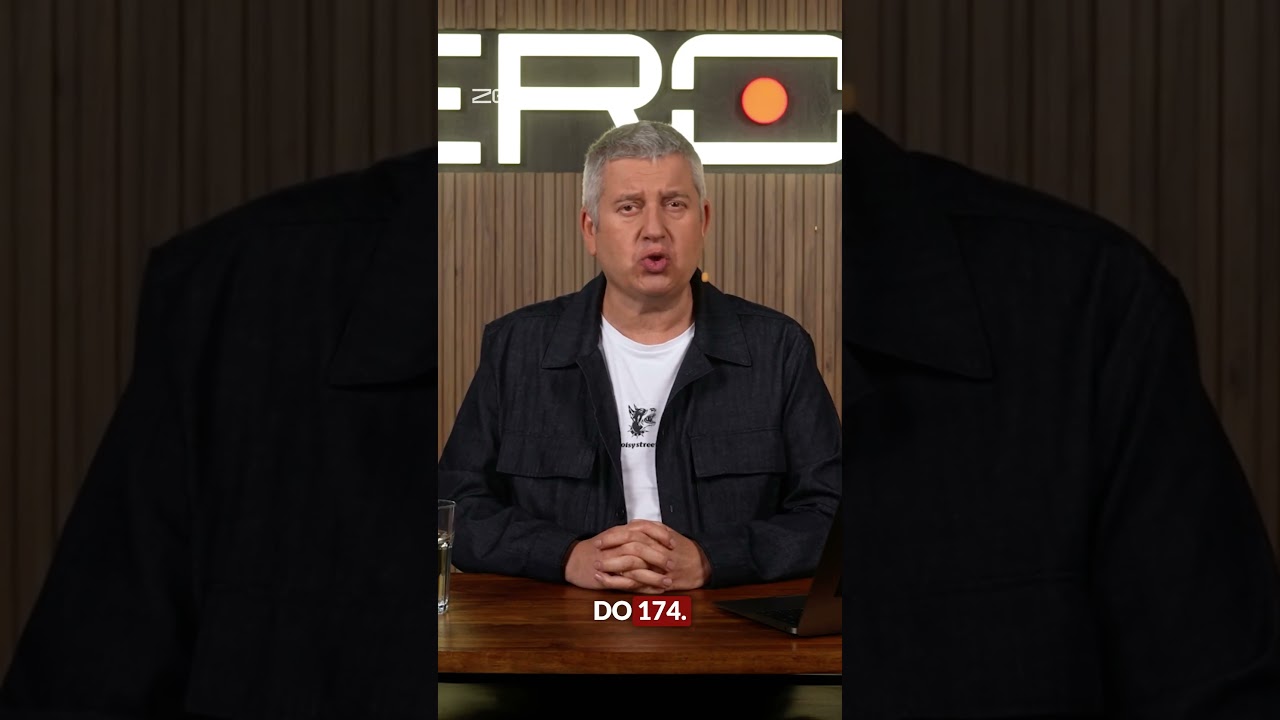
A study on the creation of the alleged military Schengen in the European Union is under way. The point is that moving NATO equipment and troops to the east flank is easier and faster. On the occasion of the work on the resolution of the European Parliament, in which Poland grows into a strategical centre of fresh defence logistics, says Euro MP Dariusz Joński (Civil Coalition).
December 2025 The European Parliament adopted a resolutioncalling for the creation of a "military Schengen". What does that mean?
Dariusz Joński: Above all, the removal of administrative barriers to the movement of troops and equipment within the European Union. Today, in a time of open borders for citizens, armies inactive face a bureaucratic wall.
How long does it take to get approval to transport military equipment across EU borders? Are these procedures truly that burdensome?
Today, the situation is that the movement of troops across the borders of the Union can take up to 30 days, and in the reality of safety threats we just don't have time for that. The European Parliament so makes it clear that during peace, the procedures should not last more than 3 days and, in crisis situations, a maximum of 24 hours.
Thanks to the military Schengen borders will cease to be an obstacle to emergency situations. What is the phase in which the changes are being made?
At the last European Parliament gathering in Strasbourg, we have already started concrete work on the report, which is simply a summary study on the legislative action on this matter. I am the shadow rapporteur, which means that on behalf of the EPP, the largest political group in the parliament, I am active in developing the final form of the document. The study involves simplifying procedures and shortening the time of consent for military transit in the 27 countries of the European Union, up to 3 days in peace and up to 24 hours in emergency situations. However, the consent of both countries afraid by transit is simply a condition.
What else is in the project?
In the motion for a resolution, we besides recorded the request to modernise transport infrastructure, including. strengthening bridges and highways or building fresh roads The commuters who decision in military convoys. The European map identifies 4 major corridors for military mobility, with over 500 delicate infrastructure points requiring modernisation. Of these 4 corridors, as many as 3 pass through Poland – along the east borders.
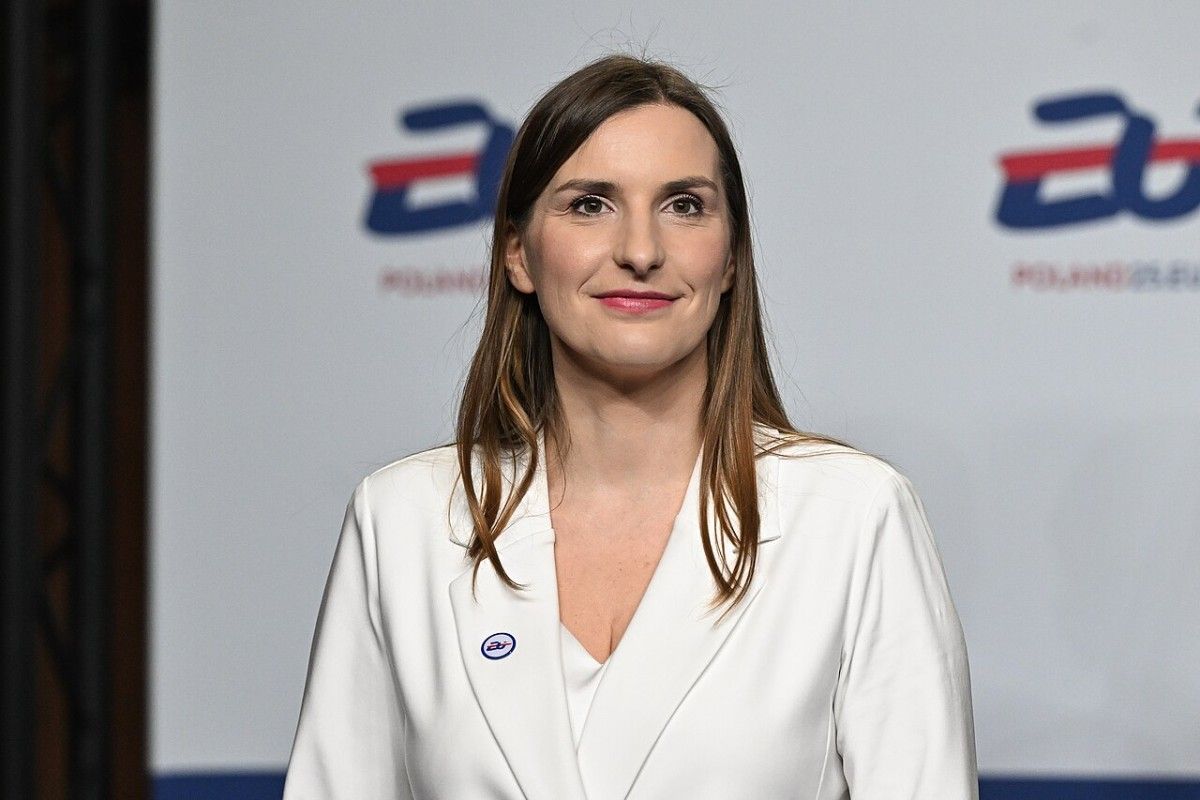
Dariusz Joński, Euro MP (Civil Coalition).
Such ambitious changes require tremendous financial resources. Where will Europe be able to adapt to these requirements?
Funding is the foundation here. We very much welcomed the European Commission's proposal to safe over EUR 17 billion in the upcoming EU budget to improve military mobility. This money will be utilized to upgrade dual-use infrastructure. We are talking about bridges, roads, tunnels and railway lines that service civilians all day, but they must be robust and modern adequate to be utilized by dense military equipment if necessary.
What is the function of Poland recorded in both the study and the full EU mobility system?
Poland is clearly indicated in these papers as a key country for the east flank of the European Union. The resolution stresses the importance of infrastructure in our country and in the Baltic States, due to the fact that it is through this region that the most crucial corridors of military mobility run. Their efficiency depends not only on the safety of our region, but besides on the European Union as a whole. Therefore, Poland has the chance to become the largest beneficiary of the funds allocated in this task to the modernisation of infrastructure.
So erstwhile can we anticipate a vote on the study as well as the entry into force of the military Schengen?
In the European Parliament, there is no uncertainty about the request for changes. I think there will be a vote on the study by summertime and a package of fresh solutions will come into force this year. There's no request to wait. We've got civilian Schengen, we request military.