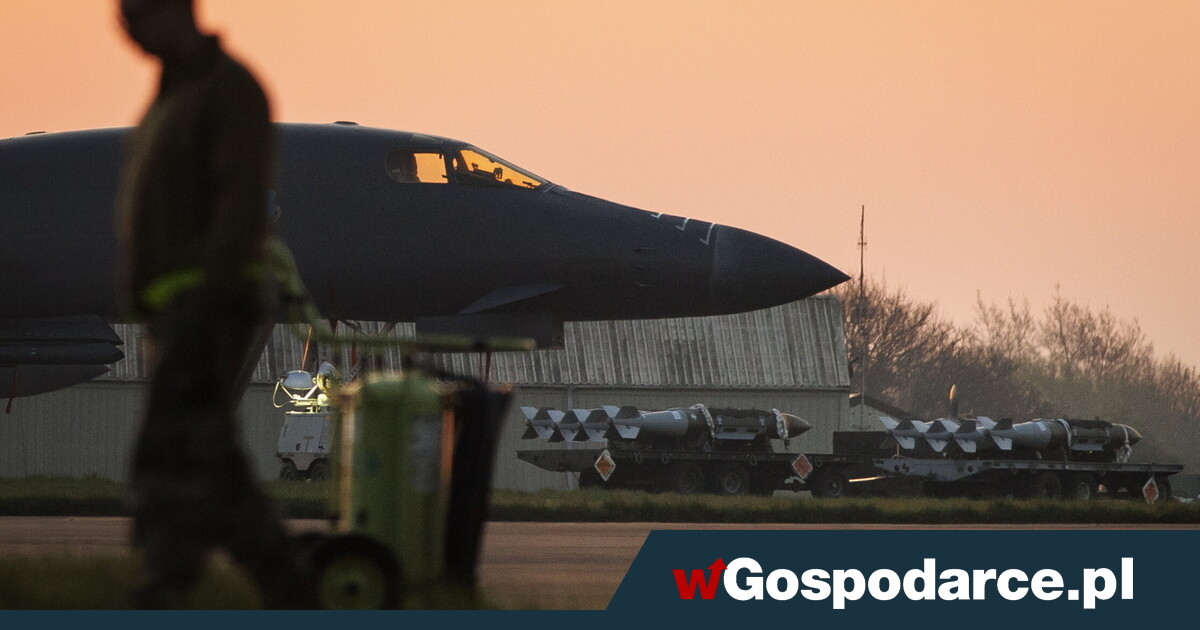
The Saturday text "Telegraph" lit the imagination: European commanders were to sketch NATO's variants of the mission in Greenland to "put their shoes on the ground" before the Americans did. London cools down by talking about regular crisis planning, but the political stakes are real. The Arctic becomes a test field: whether Europe can act before being pushed into the function of commentator of another people's facts.
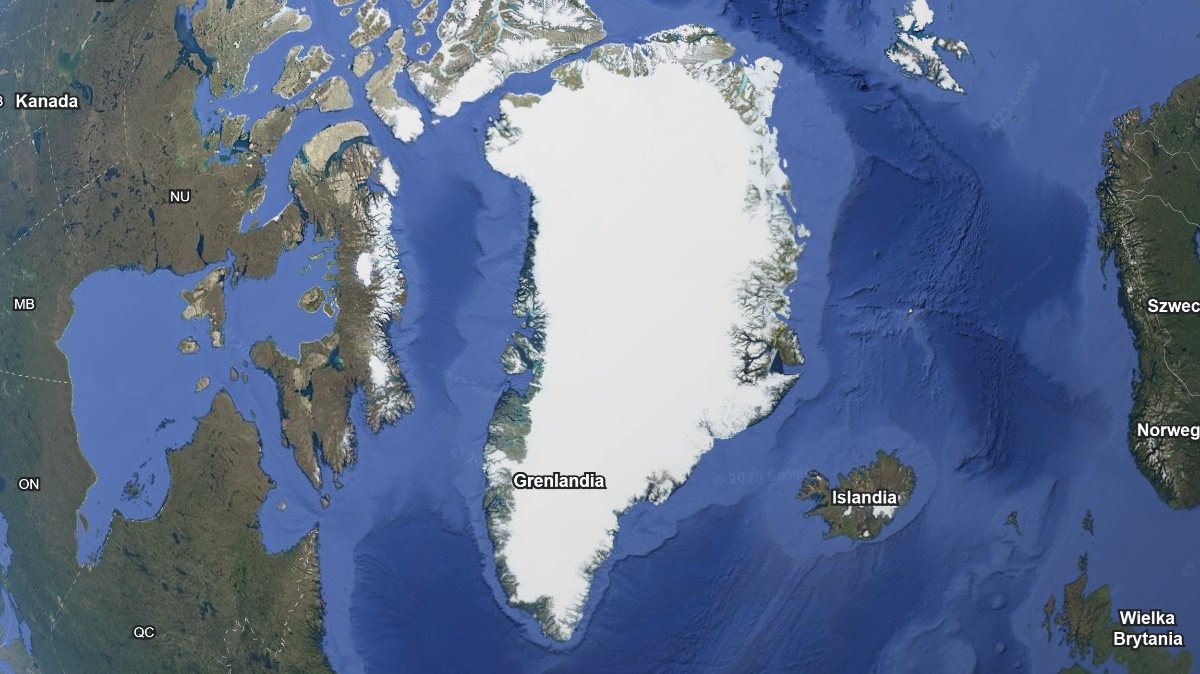
Google Earth
What's in the plans and what's in the headlines
‘Telegraph’ reports on working talks around operations in the Arctic, with a marine and aviation component and the possible engagement of British soldiers. This is important, due to the fact that it shifts the centre of gravity from the exercises permanently "arms of presence". At the same time, the government in London emphasizes that there is no decision to send forces to the island, but there are variants “on the shelf”, typical of NATO. This discrepancy must be read clearly: planning is not an order for the march, but its pace itself signals that the Arctic has advanced to the top league of priorities.
New facts of fresh days
Within 2 weeks, the American thread accelerated. Donald Trump announced sending a peculiar envoy for Greenland, arguing that the island is “necessary for security” USA. The statements on "acting in their own way" and erstwhile suggestions that it does not exclude the usage of force have sparked a sharp consequence from Copenhagen. Premiere Mette Frederiksen called this minute a "breakthrough" and warned that US military action on the territory Kingdom of DenmarkAnd it would undermine the sense of the alliance. Concurrent The 5 main parties of Greenland issued a joint statement: we want to decide ourselves, and we will not be “American or Danish”. This political choir does not close the channels of cooperation, but clearly sets limits.
"Artic Sentry": a European thought to leave the corner
There is simply a European consequence on the table that does not escalate the conflict, and at the same time reduces the hazard of the American game to the fact that it has been accomplished. Belgian Defence Minister publically called for NATO operations to be launched in the Arctic, laboredly compared to permanent missions on the east flank. It's about combining aviation rotation, maritime surveillance, drones, and closer data exchange.
NATO Secretary-General Mark Rutte has talked in fresh days with Washington about strengthening "High North", which is consistent with the trend of institutionalizing presence alternatively than in ad hoc "desant". The European goal is clear: to show the deed without entering into a collision with the rule that the host's territory is decided by the host.
Pressure tools and fiction limits
In media space, the natural communicative of the " iPhone war" returns: uncommon lands, cobalt, lit. It's worth getting the facts straight. Greenland has potential, but mining projects have been in the climate, logistics and local policy for years. Furthermore, Trump himself has late stressed a safety argument: defending against Russia and China, alternatively than profit from metals. This is where the Nordics come in, and they publically state: There is no evidence of Greenland’s ‘round’ by Russian and Chinese unitsand. This does not mean that the Arctic is risk-free, but that fear cannot replace analysis. The narratives of alleged defence superprojects, specified as "golden domes" over the island, let us leave pop culture to no valid sources.
What is most real “here and now”
The next fewer weeks are more of a deterrent architecture than a naval landing in Nuuk. There is simply a real increase in the number of patrol flights, increased GIUK surveillance, more exercises with Nordics and formalization of data exchange on maritime and underwater traffic. This way meets 3 conditions: it gives Europe an initiative, it does not tip the table with Copenhagen and does not provoke accusations of militarisation of the island. The legal foundation remains the same: US presence in Thule/Kangerlussuaq follows the 1951 agreement, and all fresh step in Greenland's territory requires playing with Denmark and the Greenlandese themselves.
Why this is simply a test for Europe
The dispute over Greenland is not “about a part of ice”. This is simply a test of whether Europe can synchronize safety policy with natural materials and climate and whether it can talk the language of business to Washington alternatively than emotions. If the answer is limited to reacting to individual else's ultimat, the finale will be seen on another people's terms. If we can rapidly close the “arctic umbrella” formal, predictable and agreed with the hosts, it will be the first time in a long time erstwhile Europe not only comments on the script but co-creates it.
DF, thefad.pl Source: The Telegraph; Reuters; The Guardian; Financial Times