The Sejm passed a law on the SAFE programme, which regulates the usage of low-interest loans for defence from the European Union. Poland is expected to receive EUR 43.7 billion as the largest beneficiary of the programme. The opposition voted against the bill, which will now go to work in the Senate. The final decision depends on the President, and Karol Nawrocki has doubts about SAFE.
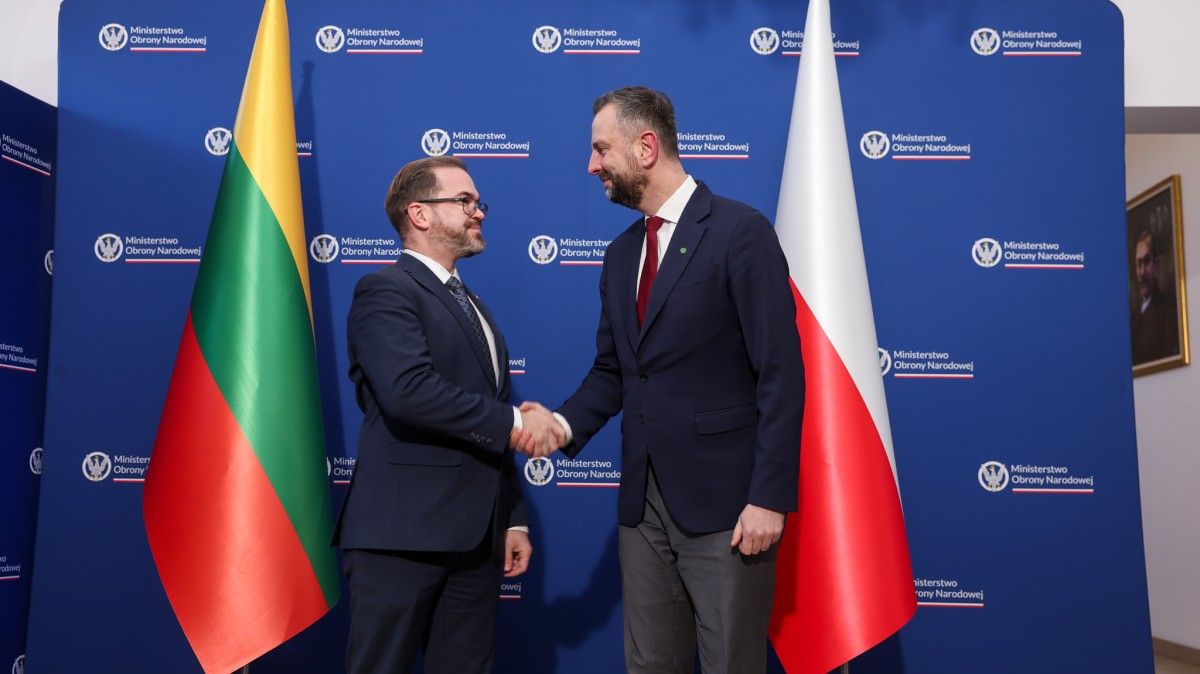
236 members in favour, 199 against, 4 abstained. This is the result, “one of the most crucial votes in the past of modernization of the armed forces”, as Deputy Prime Minister Władysław Kosiniak-Kamysz emphasized today. The support for SAFE was expressed by parliamentarians of the Civic Coalition, Left, PSL and Poland 2050. Members of Law and Justice and the Confederation voted against.
Opposition allegations
The SAFE Financial Enhancement Instrument is intended to enable Poland to usage pEU low-interest defence loans, mainly for the acquisition of weapons. However, the vote on the paper has sparked a heated political debate today. Prime Minister Donald Tusk in social media wrote that the opposition of any groups to SAFE is equivalent to the action "against the safety of Poland, the modern army and the national armed industry". Władysław Kosiniak-Kamysz stressed that the aim of the program was to accelerate the modernisation of the army while maintaining full transparency of backing and the implementation of anti-corruption mechanisms.
In turn, Finance Minister Andrzej Domanski pointed out that Poland, thanks to SAFE, could save between 36 and 60 billion PLN in the coming years.
However, PiS and Confederates protested against the implementation of the EU mechanism. In their view, the introduction of SAFE threatens the country's sovereignty in spending money and risks political force from EU institutions. The Law and Justice wanted, among others, transparency lists of projects to be financed from SAFE, supply detailed expenditure control mechanisms and guarantees that repayment of loans will not impose on the MON budget. All opposition amendments were rejected.
This, however, does not finish work on a bill that will now go to the Senate. If it is passed without amendment, it will wait for the president's signature. meantime Karol Nawrocki announced a fewer days ago that he had doubts on SAFE and the benefits of the EU programme for Poland.
Billions of euros to upgrade the army
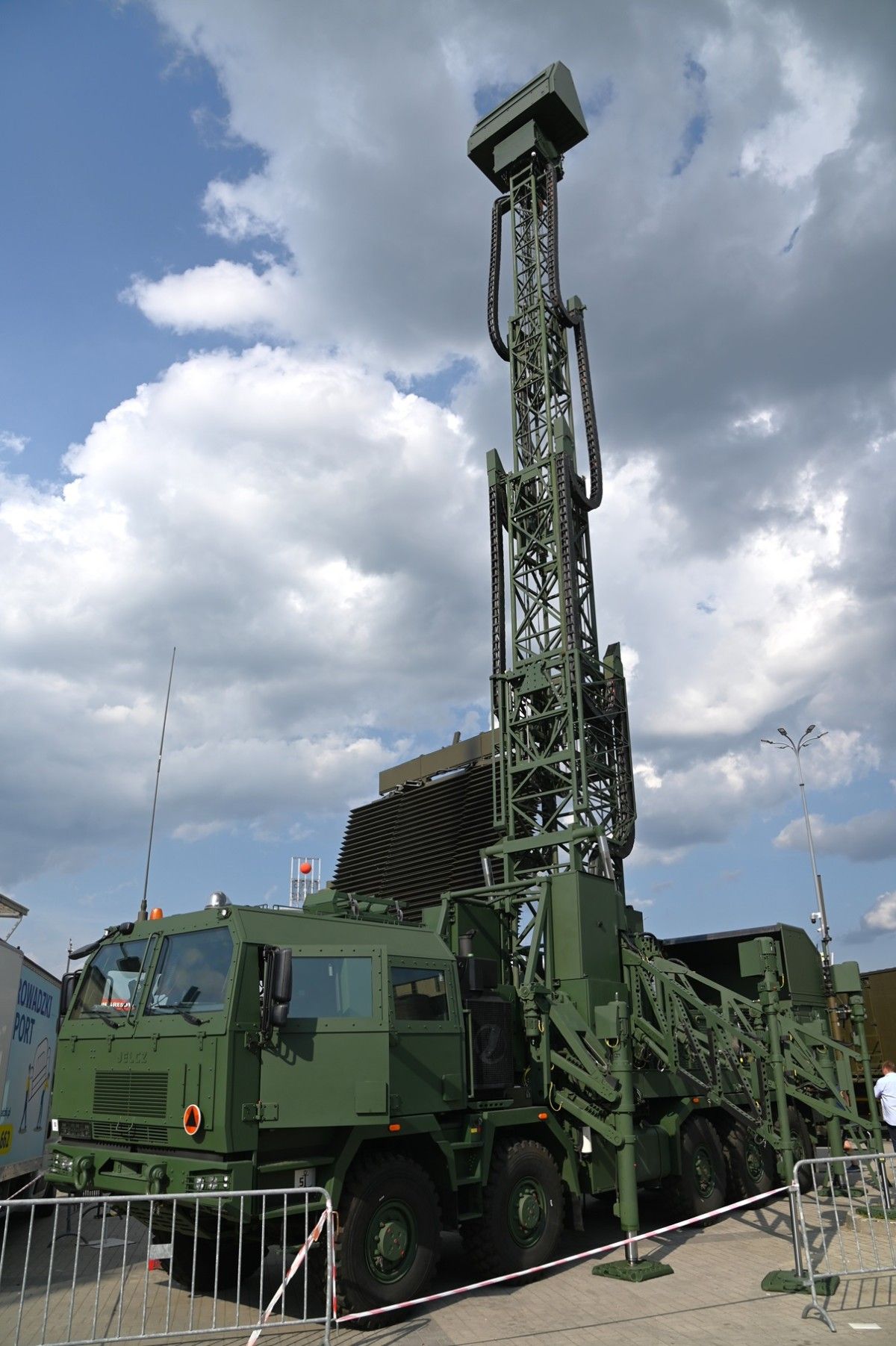
SAFE (Security Action for Europe) provides for low-interest loans to associate States for defence investments. Poland is expected to be the largest beneficiary of the programme – it is expected to receive around EUR 43.7 billion from the €150 billion envelope. This appropriation is intended primarily to cover the fast reinforcement of the armed forces. In his request, the Ministry of Defence identified 139 projects. Although this list is not yet public, it can be assumed that it will feature flagship equipment and products of the Polish armory, specified as: Borsuk infantry wagons, anti-aircraft lightning launchers, Krab cannonhaubice and aircraft for refueling in the air Airbus MRTT.
Most of the projects are to be implemented in the Polish arms industry, and any in cooperation with European partners and Ukraine. The full list of purchases is not public.
Minister of Finance guarantees the loan
Poland wants to benefit from the SAFE programme through the Financial Instrument for safety Enhancement (FIZB), which is to introduce a bill passed present by the Sejm. FIZB will manage Bank Gospodarstwa Krajowego. BGK will be the formal borrower and the warrant of repayment will be provided by the Minister of Finance. The loans from SAFE will be repaid within 40-45 years, with a ten-year capital penalty, at a rate of 3–4%. The government underlines that the full process will be transparent and subject to control mechanisms to guarantee efficient and safe usage of funds. The debt agreement would be concluded with the European Commission by March.







![Od pustyni do Starlinków. Jak zmienił się dżihadyzm? [25 LAT PO 11 WRZEŚNIA]](https://cdn.oko.press/cdn-cgi/image/trim=178;0;190;0,width=1200,quality=75/https://cdn.oko.press/2026/09/AFP__20190909__1K16Q6__v2__HighRes__ReportageSurDesPersonnesAtteintesTardivementDeCa.jpg)