The Trump administration announced a gigantic arms sales package to Taiwan worth over $10 billion, covering mid-range rockets, whaubice and drones, which will surely enrage China.
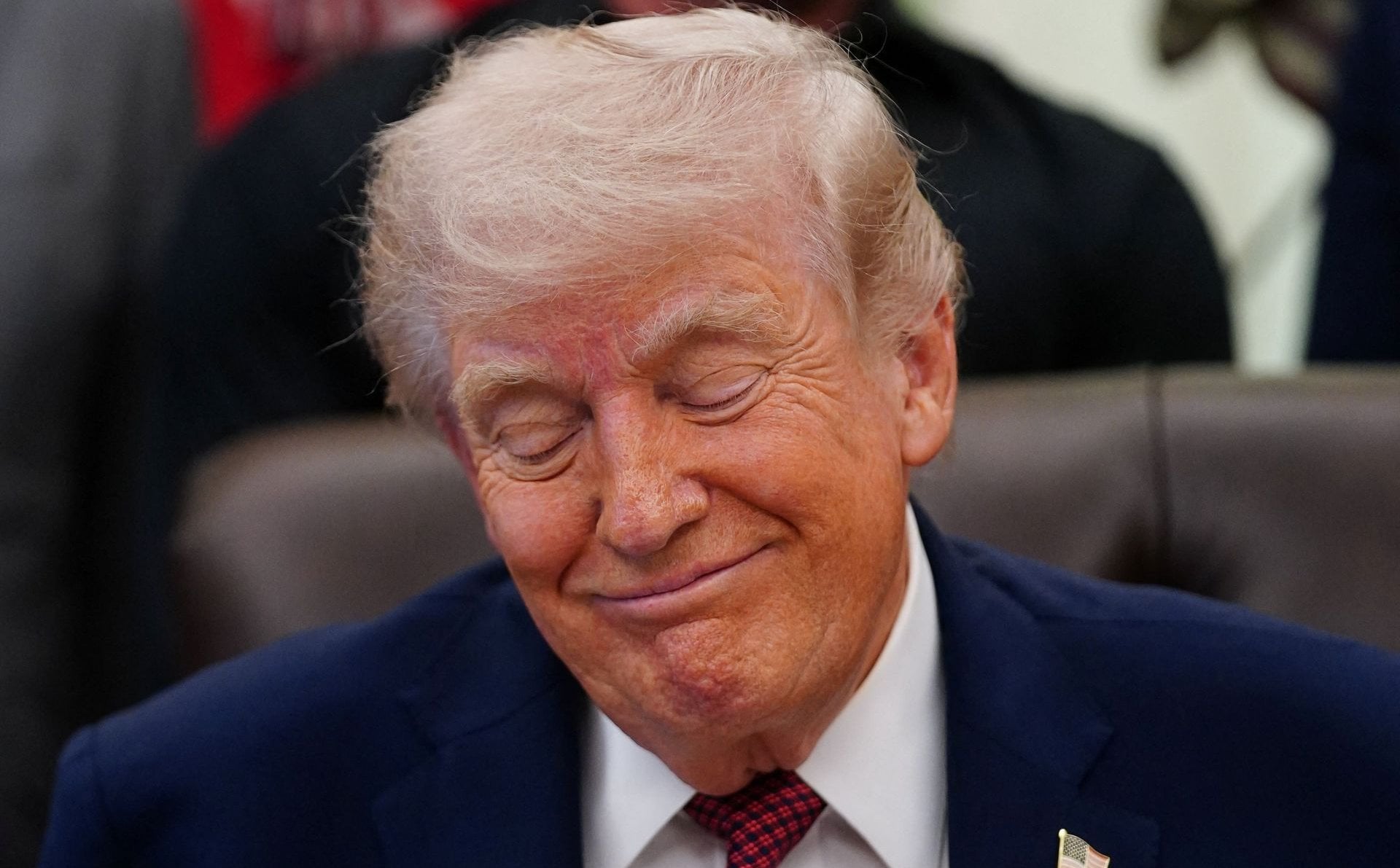
State Department announced sales on Wednesday night during The message on TV president Donald Trump, who spoke scarcely of abroad policy issues and never mentioned China or Taiwan. Tensions between the US and China were expanding and falling during Trump's second term, mainly in the context of trade and customs, but besides in the increasing aggression of China towards Taiwan, which Beijing believes must unite with mainland China.
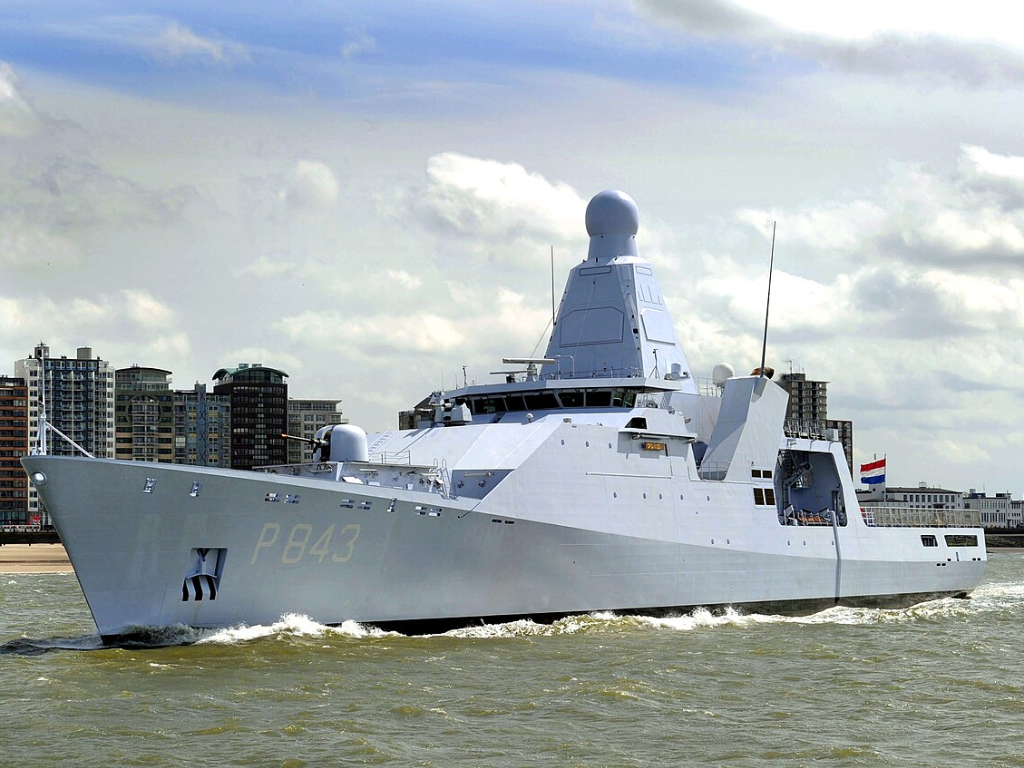
Eight arms sales agreements announced on Wednesday include 82 advanced mobility artillery rocket systems (HIMARS) and 420 tactical rocket systems (ATACMS) – akin to those that the United States provided Ukraine under Biden's regulation to defend Russia – worth over $4 billion. They besides include 60 self-propelled haubic systems and related equipment worth over $4 billion and drones worth over $1 billion.
Other transactions in the package include military software worth over $1 billion, Javelin and TOW missiles worth over $700 million, spare parts for $96 million helicopters, and Harpoon rocket repair kits worth $91 million.
In separate but almost identical statements, the State Department stated that the sale serves "US national, economical and safety by supporting the continuous efforts of the recipient to modernise the armed forces and keep credible defence capacity". "The proposed sales will aid improve the safety of the recipient and will aid keep political stability, military balance and economical advancement in the region", says the statements. Under national law, the United States is under an work to assist Taiwan in self-defense, which is becoming increasingly the subject of disputes with China, which announces that Taiwan will be taken by force if necessary.
Taiwan's Ministry of Defence in a message issued on Thursday expressed gratitude to the United States for selling weapons, which it claims will aid Taiwan keep "sufficient self-defense capabilities" and supply strong deterrence capabilities. Strengthening Taiwan's defence "is the foundation for maintaining peace and stableness in the region", said the Ministry.
Taiwan's abroad Minister Lin Chia-lung likewise thanked the United States for ‘long-term support for regional safety and Taiwan's ability to defend themselves’, which he felt were crucial for deterring from the Taiwan Strait conflict, a climate separating Taiwan from mainland China.
The sale of arms occurred after the Taiwanese government undertook to Increase in defence spending to 3.3% of the island's GDP next year and to 5% by 2030. This increase occurred after Trump and the Pentagon demanded Taiwan to usage as much as 10% of its GDP, much more than the US and any of their major allies. This request was met with opposition from the opposition organization Kuomintang (KMT) and part of Taiwanese society.
Taiwan president Lai Ching-te announced last period a peculiar budget of $40 billion for the acquisition of weapons, including the construction of an air defence strategy called Taiwan Dome, equipped with advanced detection and interception functions. The budget will be spread over 8 years, from 2026 to 2033.
The United States' increased military assistance to Taiwan was announced in a bill adopted by Congress, which Trump is about to sign. Last week, the Chinese embassy in Washington condemned a bill known as National Defence Expenditure Authorisation Act , claiming that it unfairly portrays China as an aggressor.
"The Act continues to fuel the communicative of a ‘China threat’, publicising the request for military support for Taiwan, abusing state power to attack Chinese economical development, restricting trade, economical and interhuman trade between China and the United States, undermining China's sovereignty, safety and improvement interests, and hindering both parties' efforts to stabilise bilateral relations," said the Beijing embassy in Washington after the bill was passed by the home of Representatives.
“China powerfully condemns and opposes this action,” says the Communication.