Kaja Kallas, head of EU diplomacy, reported that the 19th package of sanctions against Russia will most likely be adopted this week. Prior to the gathering of EU abroad Ministers in Luxembourg, she stressed ongoing discussions on better coordination of actions towards the Russian shadow fleet.
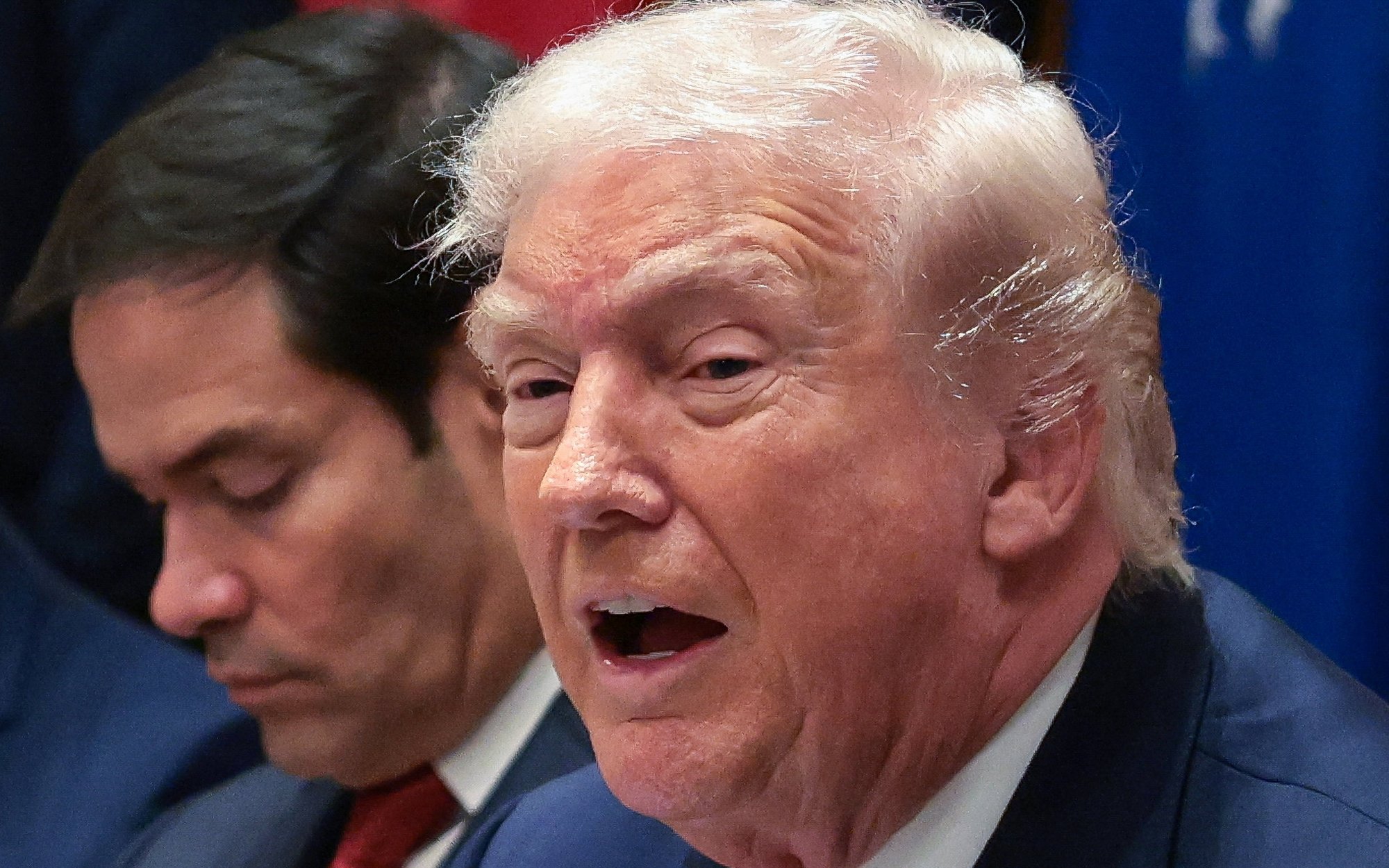
Kallas besides referred to a possible gathering of U.S. president Donald Trump with Russian leader Vladimir Putin in Budapest. - It's no fun to get to him. We'll see what happens, she said.
Position towards peace in Ukraine
The head of EU diplomacy assessed that Trump's all effort to bring peace to Ukraine should be received positively, but it is not seen that Russia truly wants this peace. "If America has the strength to put force on Russia to enter into negotiations, and if it uses it, then of course it is good," she said.
The adoption of the 19th package of EU sanctions against Russia remains primarily blocked by Austria. Vienna requests that part of the frozen Russian assets be released and transferred to Raiffeisen as compensation.
Details of the fresh sanction package
The head of the European Commission, Ursula von der Leyen, proposed a 19th package of sanctions on Russia in mid-September. It prohibits Russian LNG imports into European markets and includes the companies Rosnieft and Gazprom Nieft as a transaction ban.
For the package to enter into force, a unanimous EU "27" approval is required. In the negotiations, Austria began to request partial relaxation of sanctions against Oleg Deripaska's oligarch.
The problem of the Austrian bank
In spite of the ongoing war, Raiffeisen Bank is inactive active in Russia, with a punishment of EUR 2 billion imposed on it by the court. The frozen assets would constitute compensation for this penalty.
Many associate States fear that this would make a dangerous precedent for another sanctioned entities. Diplomats point out that another financial institutions have withdrawn from their activities in Russia, and that the Austrian bank has besides had specified an chance since the beginning of the Russian invasion of Ukraine.
Slovak energy concerns
Slovakia continues to rise doubts about the part of the sanction that concerns energy. Bratislava wants the issue of the embargo on Russian energy to scope the EU summit, where it can present its concerns about the safety of oil supply.
Slovakia has no access to the sea, making it hard to diversify its energy supply. According to the package, the Russian liquefied natural gas is to be withdrawn by 1 January 2027.
Broader measures against Russia
Apart from moving distant from Russian LNG, the Commission wants to tighten the measures limiting Russia's income from oil. The Community only allows Russian oil to be traded within a circumstantial price limit.
Von der Leyen reported in September that within the 19th package the EC proposed sanctions for 118 additional ships from the Russian alleged shadow fleet. It transports Russian oil which is then sold at a price higher than imposed by global restrictions.
More than 560 units are to be covered by EU sanctions. The main Russian energy trading companies, Rosnieft and Gazprom Nieft, will be subject to a complete transaction ban and another companies will besides be subject to asset freeze.
Sources used: "PAP" Note: This article has been edited with the aid of Artificial Intelligence.

![Donald Trump kontra irańska hydra. Czy ajatollah skończy niczym Maduro? Ta decyzja może wywołać polityczną lawinę [OPINIA]](https://cdn.wiadomosci.onet.pl/1/ML-k9lBaHR0cHM6Ly9vY2RuLmV1L3B1bHNjbXMvTURBXy85NzMwODU0ODIwNjg5ZDJiMTNhMDA4Mjc4YTIyOTQ3Ny5qcGeSlQMAAM0KAM0FoJMFzQlgzQZA3gACoTAHoTEE)


![14. wydanie Kalendarza Trzech Religii w Katowicach. W wyjątkowy sposób łączy chrześcijan, żydów i muzułmanów [Zdjęcia]](https://www.wkatowicach.eu/assets/pics/aktualnosci/2026-01/kalendarz.JPG)