Behind the Polish offer of Patriot production lies the precise thought of diplomatic triangle. Magdalena Sobkowiak-Czarnecka explained in Washington what the cooperation of the United States, Ukraine and Poland would look like and why Warsaw should be its geographical centre of gravity. Teams on both sides of the Atlantic are already working on the project.
Triangle: Washington, Kiev, Warsaw
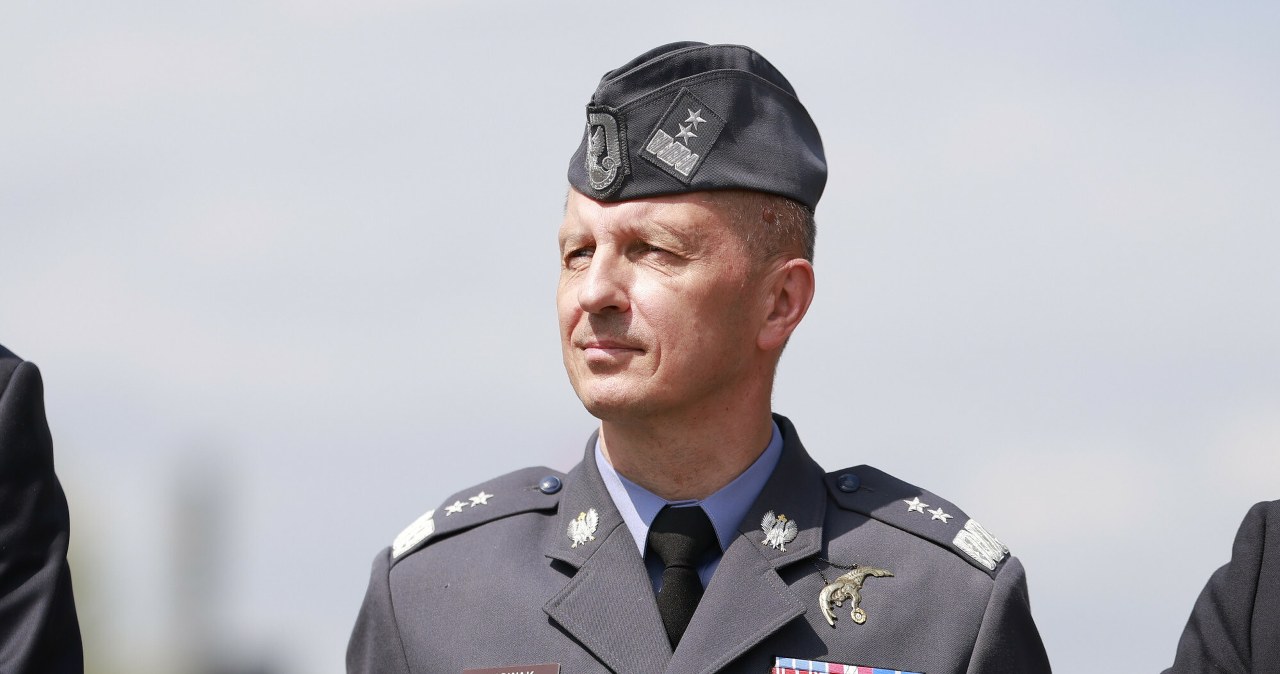
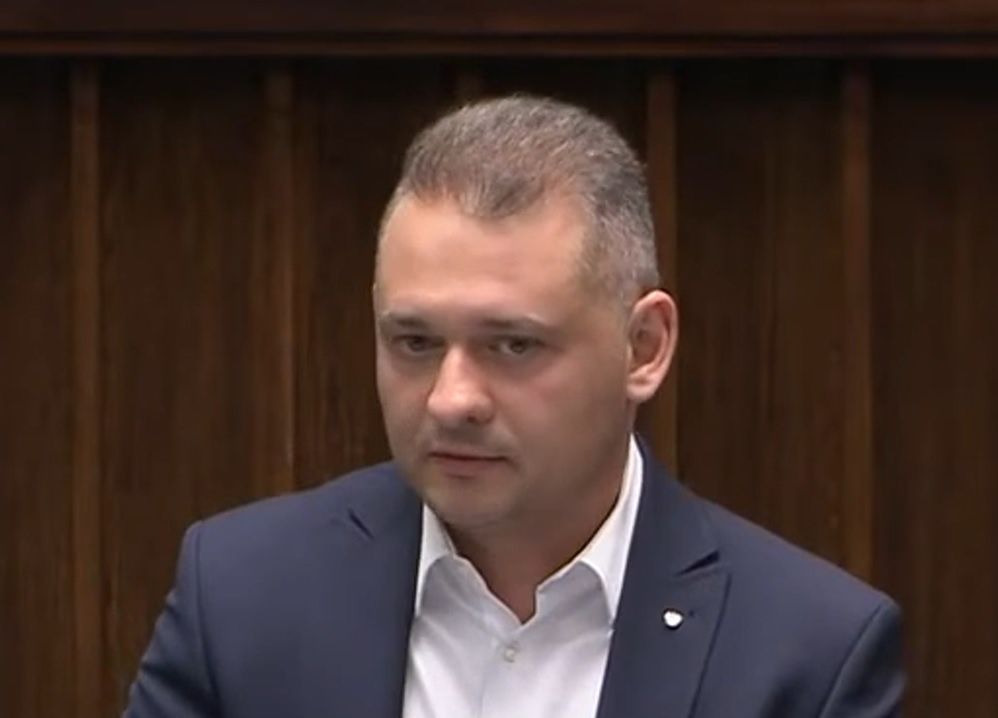
The Polish proposal is based on the simple geometry of 3 capitals. Sobkowiak-Czarnecka described it as a "cooperation in a triangle" in which each country brings something different. The United States provides technology and license, Ukraine is the recipient and the most curious party, and Poland offers a safe area for assembly. The Vice-Chief of the Ministry pointed out that this was about securing the production itself. Washington retains control of the most delicate part of technology, Kiev gains safety of supply and Warsaw becomes the host. This division of roles is intended to reconcile interests that have been hard to arrange in 1 place.
Where did the thought come from?
The starting point was Donald Trump's message from the NATO Summit in Ankara. The American president then said that he would like the production of Patriots to be "connected to Ukraine", and considered a mill in its territory. The Polish organization took this direction but proposed to correct it. alternatively of placing a plant within scope of Russian rockets, it is worth moving it to the ground protected by the Alliance, keeping Ukrainian participation. Sobkowiak-Czarnecka pointed out that the offer is "against the concerns" of Americans about the safety of specified investment. Volodymyr Zelenski has long warned that the number of missiles supplied does not correspond to the scale of Russian raids. The Polish thought responds to both problems at once: protecting the plant from attack and the pace of transportation for the front.
Teams on both sides of the Atlantic
Talks didn't halt in general. On the U.S. side, the Pentagon-related squad is liable for the subject, and among the names was Elbridge Colby. The Defence Ministry in Warsaw set up its own working group, which, according to the Deputy Minister, shows a concrete phase of work. Meetings at the Pentagon and State Department besides included a wider package of military affairs. There was talk about the additional presence of American soldiers in Poland and the financing of these plans, including a debt to buy equipment. The Deputy Minister announced that on the Polish side the works were working, not simply declarative. Basis talks link with the draft Finance Act, which the government is preparing.
Open Questions
The top unknown is time. Starting the production of specified complex weapons requires technology transfer, plant construction and supply chain arrangement. Bloomberg's agency estimated it would take years to scope a scale akin to the American scale. The agency recalled that the duplication of the production capacity of Lockheed Martin requires the resolution of the components problems. There is besides an open question about the sharing of costs and who formally owns assembly lines. Without replying to these doubts, the tripartite task will stay a promise. Will the triangle keep consistency erstwhile it comes to dividing bills and profits?
Tripartite diplomacy test
The Washington proposal is simply a political declaration that is waiting for the another organization to respond. Its strength comes from the fact that each of the 3 participants offers something: the Americans a safe investment, Ukrainians a origin of missiles, Poland a promotion in the defence industry. Weakness is the complexity and number of interests that request to be reconciled in 1 contract. The next fewer weeks will show whether the thought of a triangle will last a collision with tough logistics and money. For now, Warsaw has shown that it can enter the function of an intermediary between American technology and Ukrainian need.
Source: One News