Systemy zdolne wykryć mikro- i minidrony już 3000 m przed zabezpieczanym obiektem, zakłócić ich działanie i zniszczyć – takiego sprzętu poszukuje Agencja Uzbrojenia, która ogłosiła wstępne konsultacje rynkowe z firmami, które mogą dostarczyć wojsku tego typu technologie. Mają one chronić lotnicze bazy wojskowe i składy materiałowe.
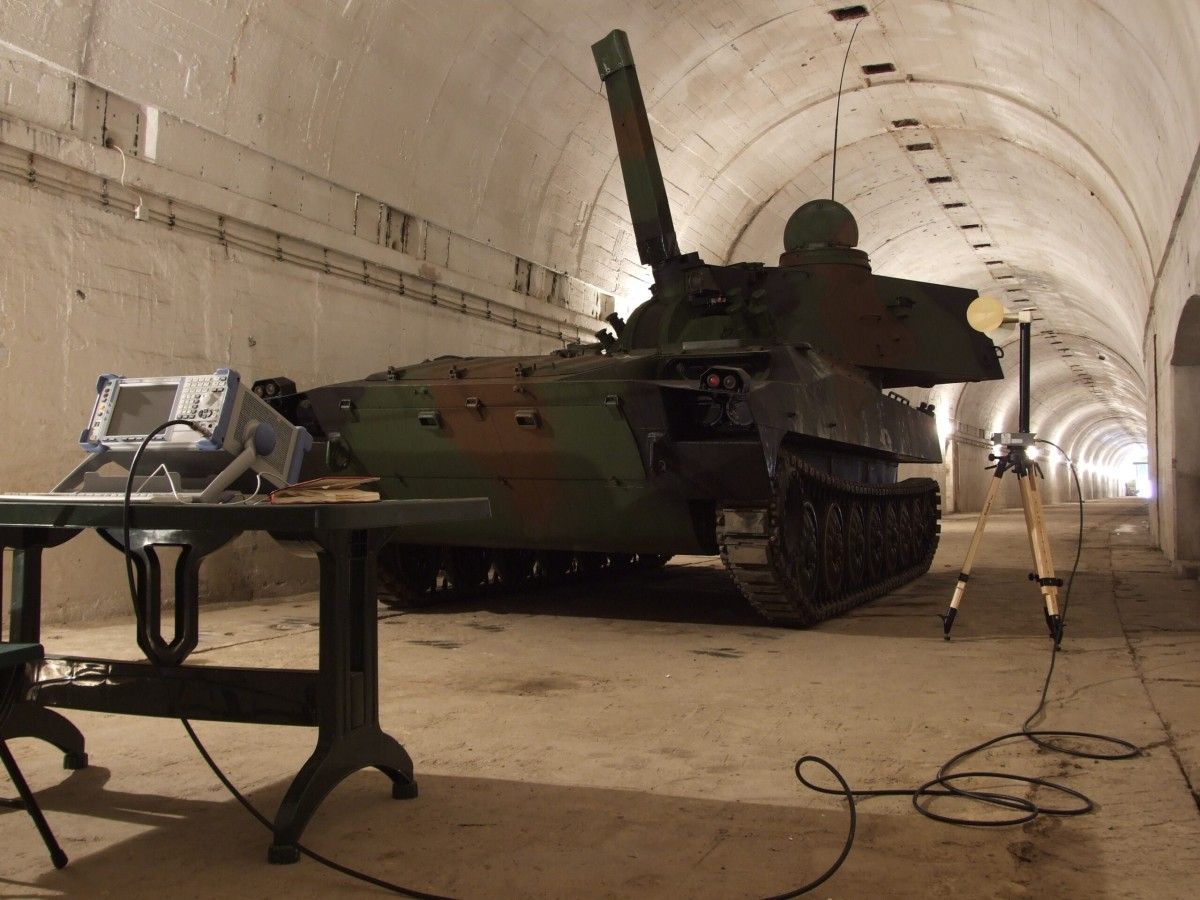
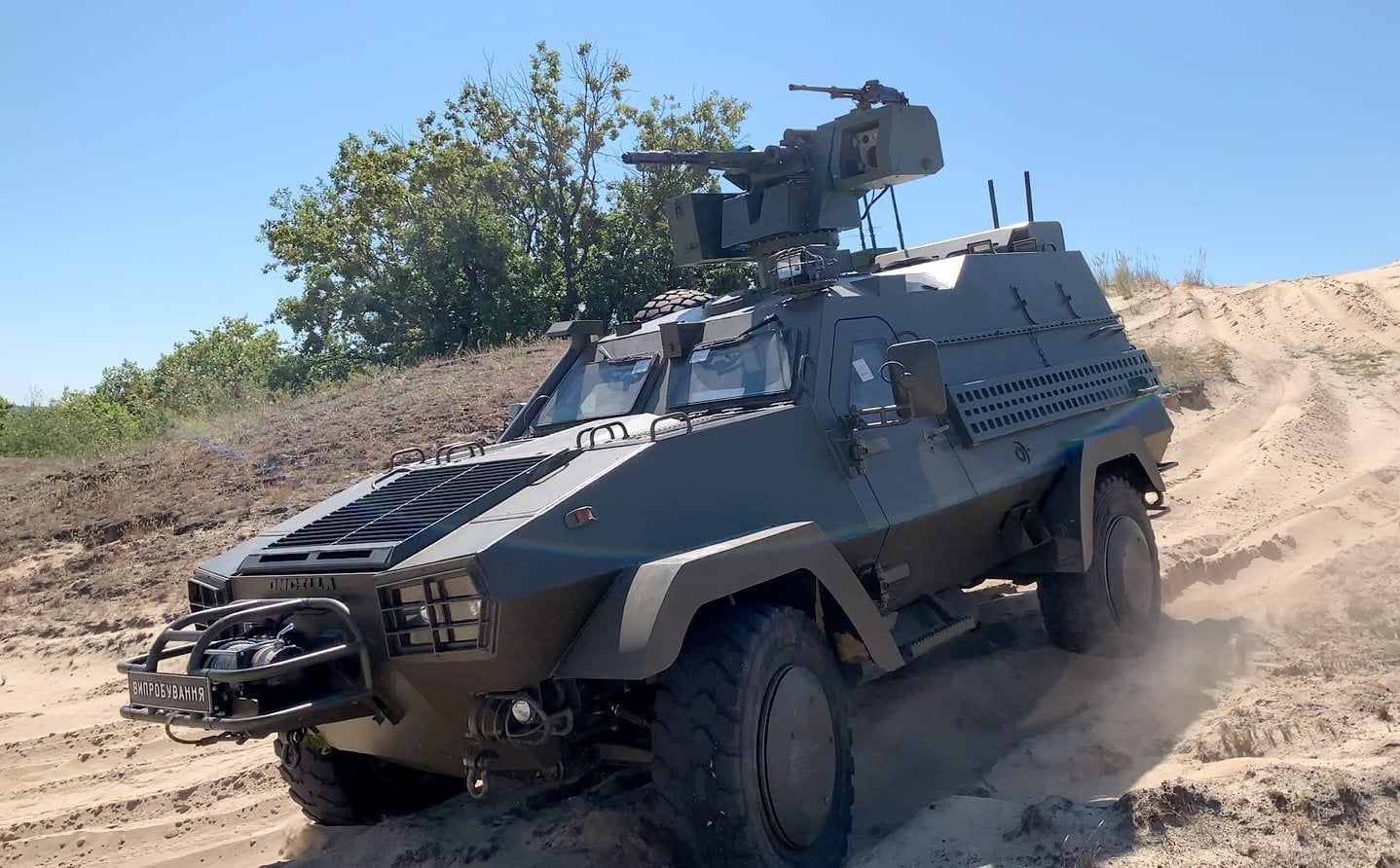
Zdjęcie ilustracjne
Rozmowy, o których Agencja Uzbrojenia poinformowała pod koniec marca, mają charakter wstępny i nie są wiążące. Na chwilę obecną zgłosiło się do niej blisko 40 podmiotów. Na razie AU chce poznać ofertę rynkową, parametry oraz ceny systemów do zwalczania dronów, oferowanych przez zainteresowane firmy. Na tej podstawie zostanie docelowo przeprowadzone postępowanie o udzielenie zamówienia publicznego. – Wstępne konsultacje rynkowe prowadzone są w celu poinformowania potencjalnych wykonawców o planach zamawiającego. Jednocześnie powinny one pozwolić na uzyskanie podstawowych informacji na temat planowanego do nabycia sprzętu wojskowego, w tym jego dostępności, danych niezbędnych do oszacowania kosztów zakupu i eksploatacji itp. – zaznacza rzecznik AU płk Grzegorz Polak.
REKLAMA
Zabezpieczenie choćby do 3 km od bazy
Czego konkretnie szuka Agencja Uzbrojenia? – Chodzi o niekinetyczne systemy do wykrywania bezzałogowych statków powietrznych i przeciwdziałania im, składające się z podsystemów detekcji, zakłócania oraz kierowania rażeniem – wyjaśnia płk Polak.
Jak podano w załączniku do ogłoszenia o konsultacjach, AU chce pozyskać systemy zdolne wykryć wrogie drony i zakłócić ich działanie. Sprzęt ma zabezpieczać teren całych obiektów. Agencja zaznaczyła, iż chodzi o lotnicze bazy wojskowe oraz składy materiałowe. W przypadku dronów klasy I kategorii mikro (do 2 kg; np. DJI Phantom) zasięg wykrycia radiolokacyjnego i klasyfikacji ma obejmować cały obiekt i nie mniej niż 1000 m od jego granicy. W przypadku dronów mini (do 20 kg) system ma je wykryć na terenie bazy i do 3000 m przed nią.
Ponadto systemy mają mieć możliwość prowadzenia rozpoznania kierunkowego i dookólnego; umożliwiać identyfikację optyczną do pół kilometra od chronionego obiektu, a oprócz kamery dziennej mają być wyposażone w termowizję. Do tego mają umożliwiać zakłócanie działania dronów na całym terenie osłanianego obiektu i nie mniej niż 500 m od jego granicy – w przypadku rozwiązania kierunkowego. Zakłócanie dookólne natomiast ma być skuteczne na obszarze nie mniejszym niż 300 m od wskazanych obiektów.
W opisie wymagań dotyczących poszukiwanego sprzętu agencja podkreśliła również, iż powinien on być wyposażony w podsystem kierowania rażeniem, który, jak zaznaczono, „ma mieć zdolność zarządzania i kierowania wszystkimi elementami systemu dla potrzeb wykrycia, klasyfikacji, identyfikacji i neutralizacji zagrożeń typu BSP klasy I”. – Chodzi o rażenie niekinetyczne tych celów, czyli sytuacje, kiedy dron porażony wiązką ukierunkowanego promieniowania elektromagnetycznego (WRE) przestaje działać i na przykład spada – mówi płk Marcin Szymański, emerytowany oficer wojsk specjalnych i ekspert FORT-u Kraków – ośrodka, który jako jedna z 16 placówek na świecie współpracuje ze start-upami rozwijającymi technologie dronowe i antydronowe dla NATO w ramach programu DIANA.
Ochrona nie tylko podczas konfliktu
– Polski rynek z całą pewnością umożliwia pozyskanie systemów, których poszukuje Agencja Uzbrojenia – podkreśla płk Szymański. Jak dodaje, metod walki radioelektronicznej i rozwiązań, które mogą być wyposażone w odpowiednie technologie, jest bardzo wiele. Mogą one np. bez wiedzy operatora wrogiego drona przechwytywać obraz, który „widzi” bezzałogowiec, po to, by operator dowiedział się, co jest przedmiotem zainteresowania przeciwnika. – Tego typu zabezpieczenia są potrzebne nie tylko podczas regularnego konfliktu, sprawdzają się również w kontekście szeregu działań nieregularnych, z którymi mamy przecież coraz częściej do czynienia. Chodzi m.in. o sabotaż. Proszę pamiętać, iż wystarczy człowiek z tanim dronem ze sklepu, który wykonując przeloty np. nad lotniskiem czy jakąś bazą, może ją skutecznie zdestabilizować, choćby bez chęci zrzucenia ładunku wybuchowego – zaznacza płk Szymański.
Agencja Uzbrojenia nie ujawnia, ile systemów antydronowych do zabezpieczania obiektów zamierza zakupić armia. Wstępne konsultacje rynkowe z firmami, które mogą zaproponować takie rozwiązania, potrwają do 30 czerwca.

![Will Korea and Poland build a combat laser together? Deputy Minister on the future of cooperation [INTERVIEW]](https://cdn.defence24.pl/2026/04/26/1200xpx/sPtR9QkaiiWALVpz7Hy2brD8wl9rWZKrVyxKahB3.377t.jpg)