March 1, 15th anniversary of death Jolanta Brzeska (1947–2011)- civic activist from Warsaw, whose tragic departure to this day remains 1 of the most shocking and unexplained matters of the 3rd Republic.
Over the years her name has become a symbol of opposition to chaotic reprivatisation, but besides a sign of state helplessness towards the dramas of average citizens.
Brzeska was not a politician or a public individual in the conventional sense. She was a retired nurse, a resident of the townhouse at Nabielak Street in Warsaw. She was forced into social activity by the situation of thousands of tenants of the capital after the reprivatization process began. Rent increases, owner pressure, eviction threats and deteriorating surviving conditions made her start organizing neighbors and co-create Warsaw Locator Association.
Its activity rapidly exceeded the framework of the local conflict. Brzeska became 1 of the most recognizable faces of the tenant movement. She spoke publically about abuses related to the taking over of the tenement houses, about the fear of the residents and about mechanisms that allowed people to treat as an obstacle to property trading. She performed in demonstrations, gave interviews, wrote letters to government offices and institutions. She didn't agree to silence.
Read: ‘The unbreakable. Who fixes Poland?”
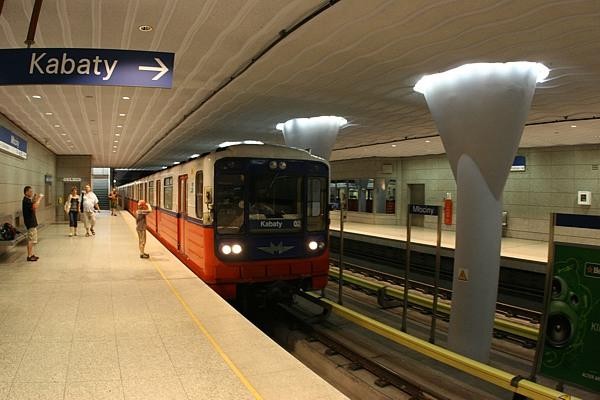
On March 1, 2011, her body was found in the Kaback Forest. The circumstances of death have been very controversial and social. The investigation over the years has not led to a clear determination of the perpetrators or a full explanation of the case. Subsequent decisions of the prosecutor's office, resumption and remission of proceedings perpetuated the feeling that the state could not answer 1 of the most crucial questions: who and why killed Jolanta Brzeska.
Her death became a breakthrough in the public debate on reprivatisation. It was then that the problem, previously seen as a complicated legal dispute, began to be seen by the prism of human tragedies. In the following years, the scale of pathologies related to the acquisition of Warsaw's real property was revealed, and the subject went to parliament, verification commissions and nationwide political debate.
For tenants, Brzeska remained a symbol of civic courage. all year on March 1, memorial marches and meetings are held to commemorate her activities. They are not just a memory of a peculiar person. It is besides a reminder that people, their safety and their sense of stableness are behind administrative decisions and property disputes.
Fifteen years after her death, many questions stay unanswered. The case of Jolanta Brzeska is inactive a test of the credibility of the state and its ability to defend the weaker citizens against the stronger. Regardless of political disputes, 1 thing remains certain: her memory did not last due to the fact that she was a hero by choice, but due to the fact that she could say "no" in an emergency.
 Illumination at the front of the Presidential Palace in Warsaw in March 2026. Photo: Grzegorz Jakubowski / KPRP. Click to enlarge.
Today, her communicative reminds us of how thin the line is between an administrative substance and a human drama. And how long does the public wait for justice erstwhile that line is crossed?
travesting a fragment of Czesław Miłosz's poem “Who you have hurt” you can compose this:
Don't be safe.
Warszawiak remembers.
You can kill him – a fresh 1 will be born.
Actions and conversations will be recorded.
In March 2011, the government in Poland was headed by Donald Tusk, president of Warsaw was Hanna Gronkiewicz-Waltz – both from the Civic Platform.
→ M. Barrel
4.03.2026
• college: barma Tribunal newspaper