Defense sector under pressure. Chinese counter-sanctions in Action
Related


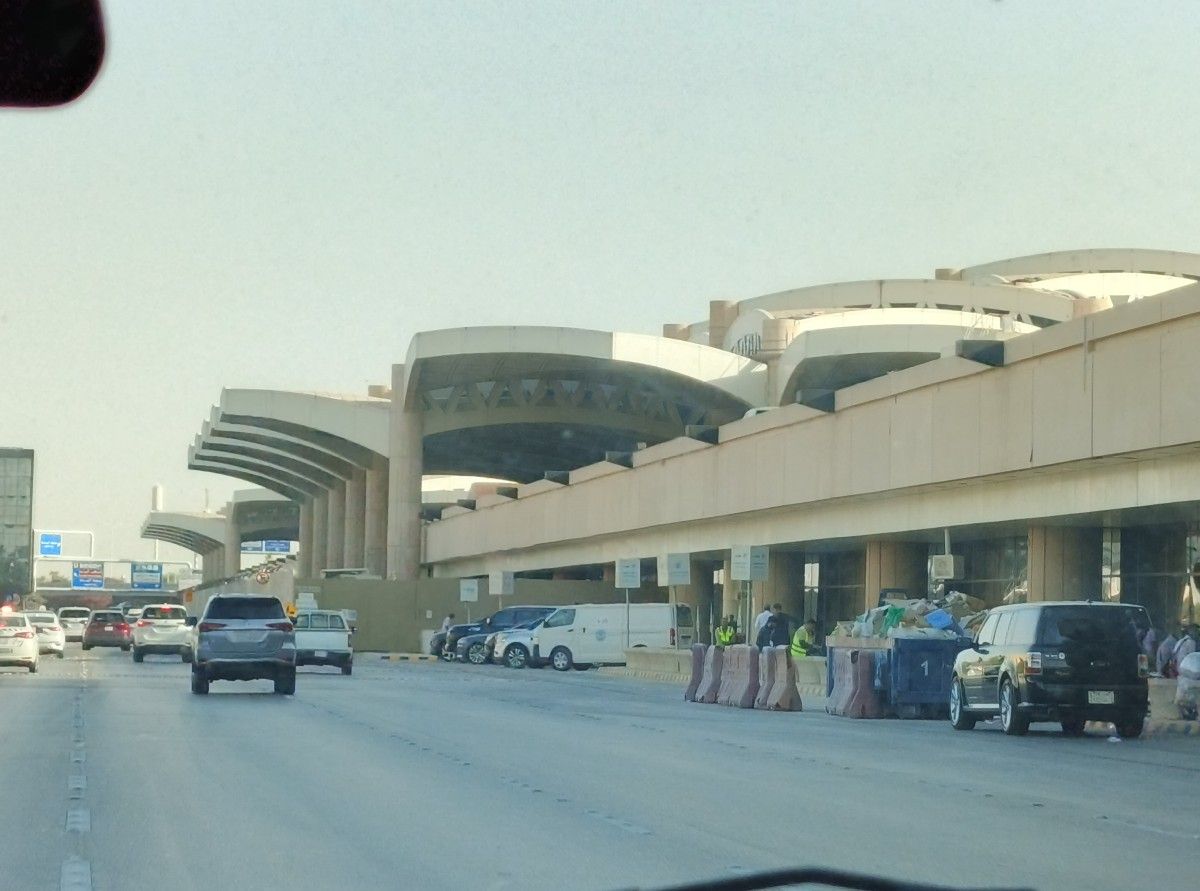
Atak rakietowy na lotnisko w Rijadzie. Setki rannych
58 minutes ago



recommended



Billybets Finir Sa Journée Avec Un Gain
2 weeks ago
Tentez votre chance sur Gxmble Casino en ligne
2 weeks ago
Bonus Midas Cadeau sans Dépôt Immédiat
2 weeks ago