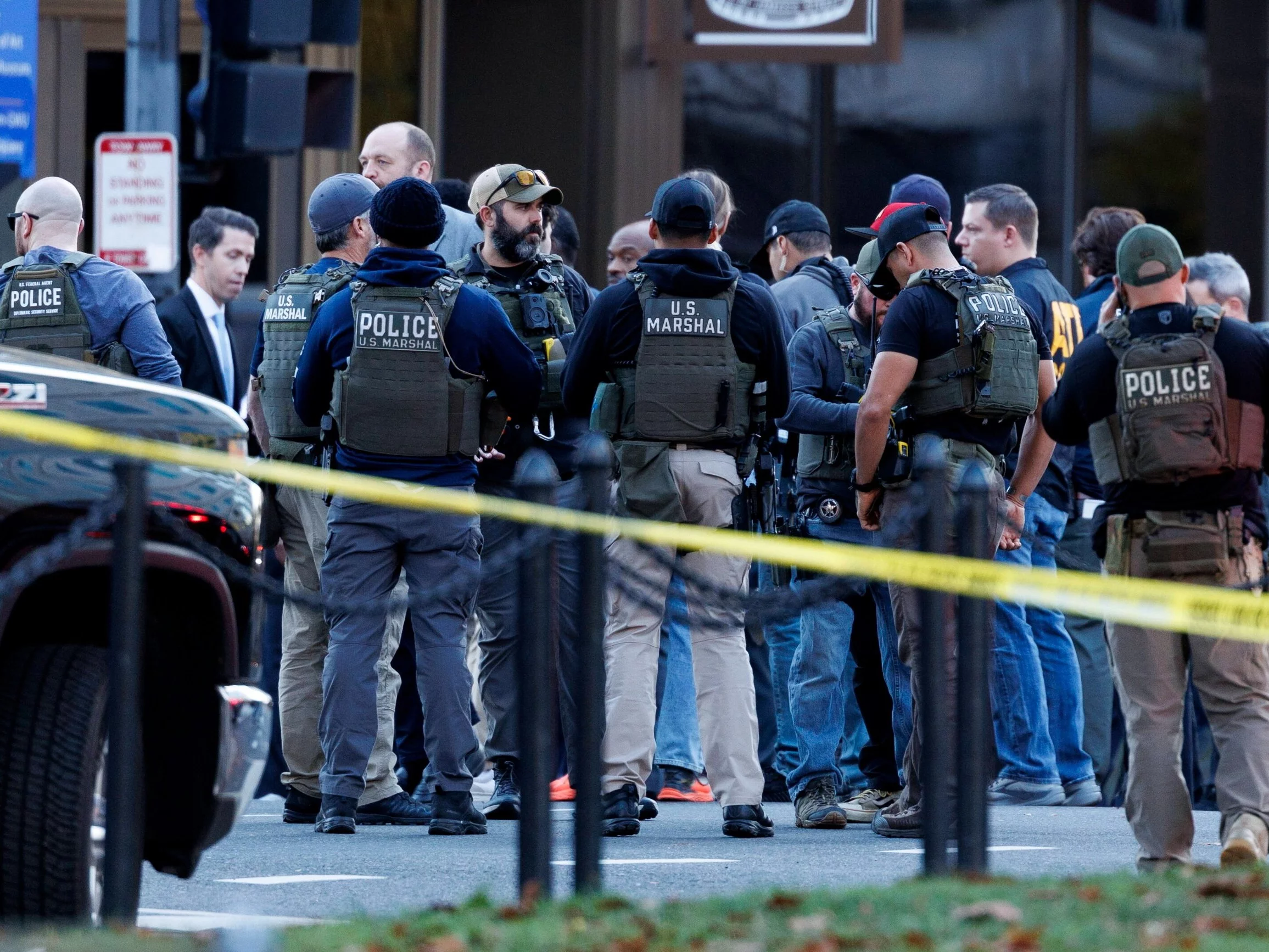
The UK has fully sanctioned Russia's military intelligence agency GRU and eight of its cyber officers after a public inquiry concluded President Vladimir Putin bears "moral responsibility" for the death of British mother Dawn Sturgess. The Foreign Office announced the sanctions on Thursday following the release of the inquiry's findings.
Dawn Sturgess, 44, a mother-of-three, died in July 2018 after spraying herself with Novichok from a discarded perfume bottle she believed was genuine. Her partner Charlie Rowley had found the sealed gift box while searching through bins in Amesbury, Wiltshire. Days after applying the substance, Sturgess fell fatally ill.
Putin authorized assassination plot
Inquiry chairman Lord Hughes of Ombersley concluded: «I have concluded that the operation to assassinate Sergei Skripal must have been authorised at the highest level by President Putin.» The judge found the Russian president's actions «astonishingly reckless» and ruled the attack was «a public demonstration of Russian state power for both international and domestic impact.»
Lord Hughes determined that all those involved in the assassination attempt bear responsibility: «I therefore conclude that all those involved in the assassination attempt, not only Petrov, Boshirov and Fedotov, but also those who sent them, and anyone else giving authorisation or knowing assistance in Russia or elsewhere, were morally responsible for Dawn Sturgess' death.»
The Salisbury attack
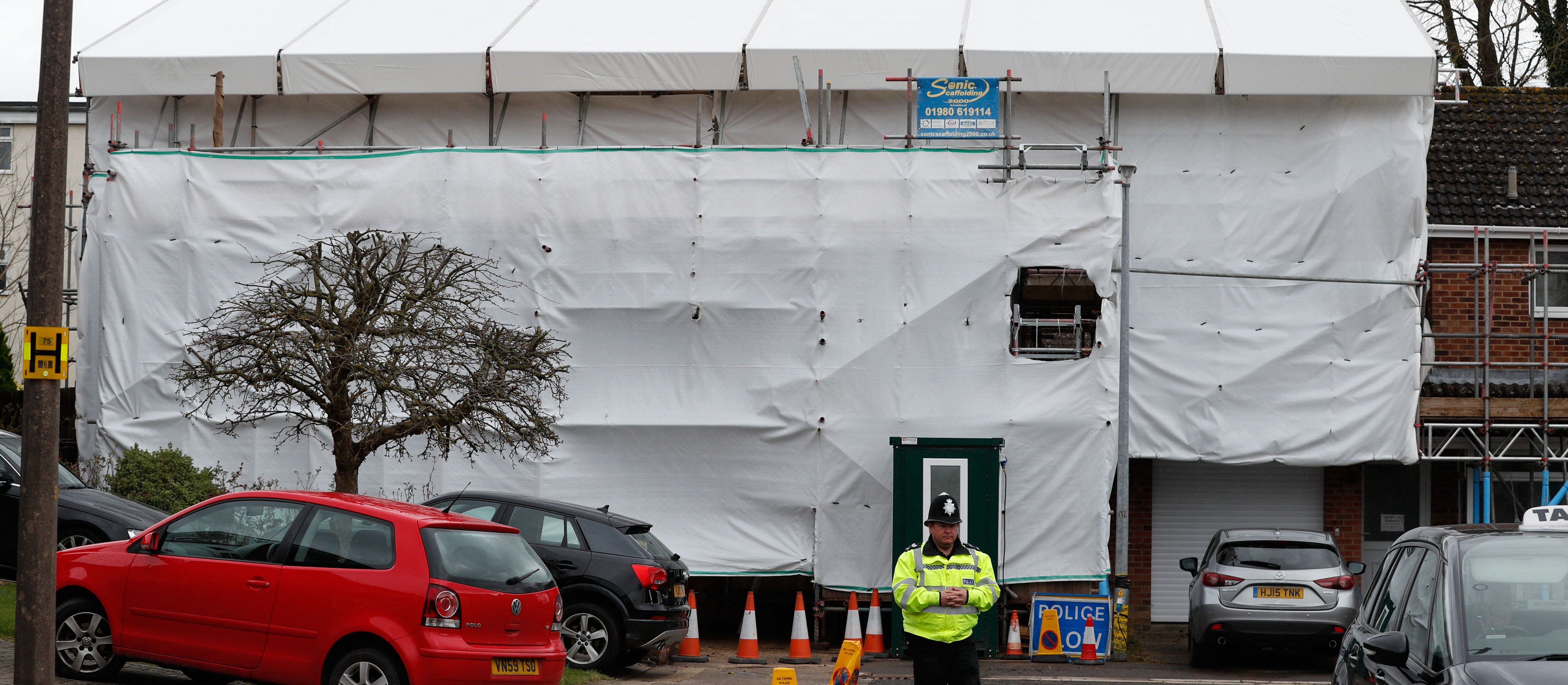
The Novichok nerve agent that killed Sturgess was deployed in March 2018 to assassinate former Russian spy Sergei Skripal in Salisbury. Members of a GRU military intelligence squad smeared the deadly substance on the door handle of Skripal's home. Both Skripal, 74, and his visiting daughter Yulia, 41, were poisoned. Detective Sergeant Nick Bailey of Wiltshire Police fell seriously ill after being the first to enter Skripal's home.
British counter-terrorism police identified three suspects: Alexander Petrov (real name believed to be Alexander Mishkin), Ruslan Boshirov (real name believed to be Anatoliy Chepiga), and Sergey Fedotov (real name Denis Sergeev). All are believed to be members of GRU unit 29155.
UK response and sanctions
Prime Minister Sir Keir Starmer said: «The Salisbury poisonings shocked the nation and today's findings are a grave reminder of the Kremlin's disregard for innocent lives. Dawn's needless death was a tragedy and will forever be a reminder of Russia's reckless aggression.» He added: «The UK will always stand up to Putin's brutal regime and call out his murderous machine for what it is.»
The sanctions target the GRU for cyber operations including the use of X-agent malware against Yulia Skripal and the attempted murder of both Skripals. Starmer described the measures as «the latest step in our unwavering defence of European security, as we continue to squeeze Russia's finances and strengthen Ukraine's position at the negotiating table.»
Background
Sergei Skripal, a former high-ranking GRU member, was convicted of espionage in Russia in 2004 and jailed for 13 years. He received a presidential pardon in 2010 and came to the UK on a prisoner exchange, settling in Salisbury. The inquiry, ordered by then-Home Secretary Priti Patel in 2021, held public hearings between October and December last year.
Charlie Rowley spent more than two months in hospital recovering from Novichok poisoning and has suffered lifelong health issues. Nick Bailey spent two weeks in intensive care and left Wiltshire Police in October 2020, stating he «couldn't deal with being in a police environment» after the incident.
Note: This article was created with Artificial Intelligence (AI).



![Papież Leon XIV odwiedził Błękitny Meczet w Stambule [ZDJĘCIA]](https://cdn.wiadomosci.onet.pl/1/94sk9lBaHR0cHM6Ly9vY2RuLmV1L3B1bHNjbXMvTURBXy8zOGE2ZDA1YzcxMjAyN2EyZjE2Y2VmZWYzNGEzNmRiMC5qcGeSlQMAzNDNB9DNBGWTBc0JYM0GQN4AAqEwB6ExBA)