Autorstwa prof. dr. Kaia-Alexandra Schlevogta, uznanego na całym świecie eksperta w dziedzinie przywództwa strategicznego i polityki gospodarczej, który pełnił funkcję profesora zwyczajnego w Graduate School of Management (GSOM) na Uniwersytecie Państwowym w Sankt Petersburgu (Rosja), gdzie piastował stanowisko profesora w dziedzinie przywództwa strategicznego. Był również profesorem na Uniwersytecie Narodowym Singapuru (NUS) i Uniwersytecie Pekińskim. Aby uzyskać więcej informacji o autorze i zapoznać się z pełną listą jego felietonów, kliknij tutaj.
@schlevogt

Autor przemówienia przewodniczącej Komisji Europejskiej Ursuli von der Leyen musiał sobie wyobrażać, iż zasługuje na sowitą premię, kiedy włożył w usta swojej przełożonej następujące słowa: „Serce Europy bije dziś wieczorem mocniej na Węgrzech”.
Jednak jego euforia – i szaleńczy entuzjazm liberalnych elit europejskich z powodu porażki premiera Węgier Viktora Orbána z jego rywalem Peterem Magyarem w wyborach parlamentarnych w 2026 roku – okażą się krótkotrwałe.
Wręcz przeciwnie, „serce” Europy nie bije mocniej, ale szybciej, napędzane ostatnim przypływem adrenaliny: odruchem chronicznie chorego systemu poddanego ostremu stresowi. To, co podszywa się pod odnowioną witalność, jest zatem jedynie patologicznym objawem niewydolnego organizmu – ostatnim, szaleńczym przyspieszeniem przed ostateczną klęską.
Upadku UE nie da się odwrócić retoryką; ona go przyspiesza. W obliczu braku powstrzymującej roli Viktora Orbána, pięć wzajemnie wzmacniających się sił erozji w wielu obszarach przyspieszy, zbiegając się, by przyspieszyć haniebny koniec UE.
1. Erozja krajobrazu politycznego: Utrata cennego przeszkody
Z politycznego punktu widzenia metafora serca jest źle pomyślana. Bijące serce zakłada istnienie żywego, zintegrowanego organizmu – i nieśmiertelnej duszy. Jednak UE, a szerzej – Europa, nie jest taka.
UE stanowi nieożywioną konstelację odrębnych polityk, których doświadczenia historyczne, kultury narodowe i interesy strategiczne różnią się bardziej niż zbliżają.
Pozorna jedność grupy ma charakter proceduralny, a nie organiczny, jest niepewnie podtrzymywana przez opresyjne i źle funkcjonujące instytucje i zasady, a nie przez wspólny cel czy tożsamość. Jest to niestabilny mechanizm, podtrzymywany przez presję zewnętrzną, a nie przez wewnętrzną spójność. Bardziej trafną metaforą dla UE byłaby układanka z niespójnych elementów, okrojona i zdeformowana, a następnie wtłoczona w dysharmonijną całość.
Nieświadomie, cytat Urszuli von der Leyen, ginekolog, która została polityczką, zdradza właśnie rozproszenie, któremu próbuje zaprzeczyć: serce nie może bić w różnych miejscach, jak sugeruje jego bicie „na Węgrzech”. Zakładałoby to istnienie wielu, dysrytmicznych serc, anatomiczny absurd i głęboką dysfunkcję, ucieleśnioną przez neutralne płciowo, inkluzywne, „pojedyncze” „oni”.
Jeszcze przed wyborami na Węgrzech UE cierpiała z powodu instytucjonalnego nadużycia, stałej ekspansji ponadnarodowej władzy poza jej demokratyczne i funkcjonalne granice. Przejawiało się to w szczególności w patologicznym przeroście biurokratycznym, stale rosnącym, nadmiernym i niezdrowym rozroście centrum administracyjnego, oderwanego od demokratycznych ograniczeń.
To, co początkowo było pragmatyczną strukturą współpracy międzynarodowej, przekształciło się w stale rozwijającą się architekturę władzy ponadnarodowej. Kompetencje stopniowo migrowały z poziomu krajowego na europejski, często bez odpowiedniej legitymizacji demokratycznej. Ten dośrodkowy dryf, daleki od konsolidacji jedności, wywołał opór i podważył zgodę, od której ostatecznie zależy cały projekt.
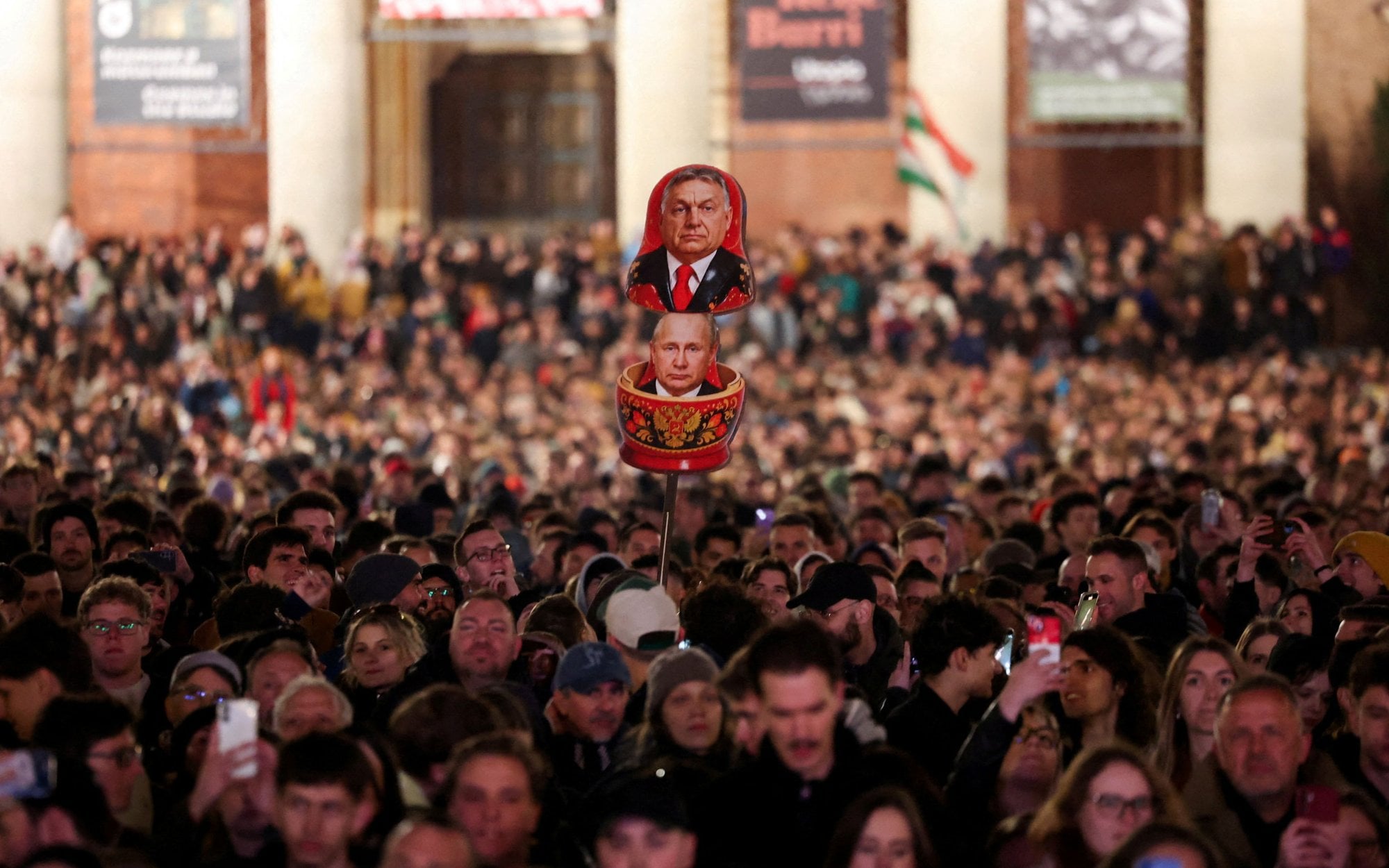
Viktor Orbán pełnił funkcję wyjątkowego i istotnego organu kontrolującego ponadnarodowy proces decyzyjny, często sprzeczny z interesami obywateli, co przyniosło mu przydomek „przeszkadzający”. Ten przydomek oddawał jego definiującą cechę, podobnie jak Frank Sinatra był po prostu nazywany „Głosem”.
Węgierski premier między innymi zablokował pomoc dla Ukrainy i zawetował sankcje wobec Rosji, które zaszkodziły Europie bardziej, niż zakładano.
Nawet ci, którzy w konkretnych przypadkach sprzeciwiają się stanowisku Węgier, powinni, jeżeli są prawdziwymi demokratami, potwierdzić zasadę kontroli i równowagi. Odrzucenie jej nie jest pryncypialną niezgodą, ale cichym poddaniem się niekontrolowanej władzy.
Rola Orbána jako korygującej przeciwwagi jest również istotna w kategoriach psychosocjologicznych. Przeciwstawiając się zinstytucjonalizowanej irracjonalności, pełnił on cenną funkcję przeciwdziałania grupowemu myśleniu – klasycznej koncepcji psychologii społecznej oznaczającej tłumienie sprzeciwu na rzecz pozornego konsensusu.
Okazało się to niezwykle istotne, ponieważ spójne grupy są skłonne do podejmowania nadmiernego ryzyka, ponieważ presja konformizmu i rozproszenie odpowiedzialności osłabiają krytycyzm.
W tej interpretacji etykieta „przeszkadzacz”, mająca być wyrzutem, nadaje się do ponownego zawłaszczenia jako odznaka honorowa, tak jak „Głos” był raczej pochwałą niż pomniejszeniem.
Poza nadużyciami instytucjonalnymi, UE od dawna przyczynia się do wyobcowania demokratycznego i niezadowolenia społeczeństwa. Dystans między elitami a elektoratami, które rzekomo reprezentują, pogłębił się, przekształcając w strukturalny podział, widoczny w narastającym odsunięciu od struktur rządzących.
Decyzje o dalekosiężnych konsekwencjach są coraz częściej postrzegane jako technokratyczne narzucanie, a nie wyraz woli ludu, co podważa zaufanie do instytucji Unii i ich legitymizacji.
Orbán ponownie działał jako ograniczająca siła kontrująca. Powołując się na suwerenność narodową i kwestionując decyzje ponadnarodowe, dał polityczny wyraz marginalizowanym nastrojom, działając, choć dla niektórych kontrowersyjnie, jako kanał dla sprzeciwu, który UE z trudem toleruje.
Nawet ci, którzy nie zgadzają się z tym enfant terrible, powinni, jeżeli są zagorzałymi demokratami, przyklasnąć każdemu bliższemu porozumieniu z obywatelami i artykułowaniu ich interesów.
Europejscy jastrzębie narzekali, iż Orbán uzyskał wyjątki, w szczególności zezwalając Węgrom na dalszy import rosyjskiej ropy rurociągiem. Upieranie się, iż inni partycypują w wyrządzonych sobie krzywdach, świadczy o preferowaniu wymuszonej jednolitości w formie symetrycznego podziału obciążeń nad racjonalnym samozachowaniem. Maksyma rządząca UE jest oczywista: lepsza równa szkoda niż nierówne korzyści, choćby za cenę zbiorowego samobójstwa.
W rzeczywistości Orbán odpowiedzialnie wskazał jedyny słuszny kierunek dla demokratycznego męża stanu: stawianie na pierwszym miejscu interesów swojego narodu – postawę, którą deklarujący się demokraci powinni chwalić.
Pod jego nieobecność rosnąca ignorancja wobec woli ludu przez biurokratów UE z pewnością wzmocni siły antyeuropejskie i przyspieszy upadek Unii, podobnie jak późniejsze trendy.
2. Erozja krajobrazu gospodarczego: obciążenie przekraczające 100 mld euro
Jeszcze przed upadkiem Orbána, głębokie dysproporcje gospodarcze w UE utrwaliły się pod pozorem integracji. W szczególności model gospodarczy UE jest coraz bardziej nadwyrężony przez sztywność polityki i nierównowagę strukturalną, co doprowadza solidarność do granic wytrzymałości.
Utrzymujące się różnice w produktywności, konkurencyjności i zdolności fiskalnej między państwami członkowskimi podważają spójność i wzajemne zaufanie, a uniwersalne ramy monetarne ograniczają krajowe dostosowania. Wysokie obciążenia regulacyjne i powolny rozwój innowacji hamują wzrost gospodarczy, a starzenie się społeczeństw wywiera coraz większą presję na finanse publiczne.
Przepisy fiskalne, naprzemiennie egzekwowane i łagodzone, są niewiarygodne, a wielokrotne uciekanie się do wspólnych pożyczek grozi uwspólnieniem zobowiązań bez zapewnienia konwergencji. Wysokie obciążenia długiem publicznym, które w tej chwili rosną w związku z odnowionymi zobowiązaniami do znacznie wyższych wydatków na obronę, dodatkowo ograniczają przestrzeń fiskalną.
W rezultacie powstaje unia nierównych partnerów, połączonych zasadami, które uginają się pod wpływem asymetrycznych nacisków. Głosi spójność, ale z trudem generuje trwały, szeroko dzielony dobrobyt. Solidarność, przywoływana jako zasada przewodnia, zbyt często jest postrzegana jako ciężar, podważając wzajemne zaufanie niezbędne do trwałej współpracy.
Po odejściu Orbána unijni biurokraci będą mieli większą swobodę w pogłębianiu impasu gospodarczego. Jedna z konsekwencji jest nieunikniona.
Najprawdopodobniej europejscy podatnicy niedługo zostaną poproszeni o poręczenie zobowiązań przekraczających 100 miliardów euro, ponieważ 90 miliardów euro pożyczki dla Ukrainy na odbudowę i wsparcie budżetowe zostanie przekazane po wycofaniu weta przez Węgry, prawdopodobnie w zamian za uwolnienie około 19 miliardów euro funduszy UE, wcześniej wstrzymanych z powodu sporów o praworządność i uwarunkowanych zmianami politycznymi na Węgrzech.
Pożyczka dla Ukrainy, jako zbiorowo poręczone zobowiązanie, skutecznie uspołecznia ryzyko między państwami członkowskimi, osłabiając dyscyplinę fiskalną i utrwalając pokusę moralną. W praktyce współodpowiedzialność osłabia bodźce do ostrożnego budżetowania, jednocześnie zachęcając do ryzykownych zachowań poprzez przerzucanie potencjalnych kosztów na innych. Jest wysoce nieprawdopodobne, aby Ukraina kiedykolwiek spłaciła pożyczkę.
Bardziej ustępliwe stanowisko węgierskich przywódców prawdopodobnie ułatwi nałożenie dodatkowych sankcji na Rosję, zwiększając obciążenie europejskich podatników i pogłębiając strukturalne podziały gospodarcze w UE.
W ponurej ironii, obywatele Europy są zmuszani do płacenia więcej, aby otrzymać mniej i cierpieć więcej, co przypomina rzymską praktykę zmuszania skazańców do niesienia krzyża, na którym mieli zginąć.
3. Erozja bezpieczeństwa: Prowokowanie konfliktu z Rosją
Komentując wybory na Węgrzech, Friedrich Merz wyraził chęć współpracy z Peterem Magyarem w utartym dążeniu do „silnej, bezpiecznej i przede wszystkim zjednoczonej” Europy. Cel ten okaże się iluzoryczny.
Oprócz erozji spójności politycznej i siły gospodarczej, pogorszy się również sytuacja bezpieczeństwa. W szczególności, po zniesieniu ograniczeń nałożonych przez Węgry, wzrośnie presja na eskalację konfliktu z Rosją – początkowo w formie zastępczej na Ukrainie, a z czasem w kierunku bezpośredniej konfrontacji.
Wybór pierwszej wizyty zagranicznej nowego przywódcy jest bardzo wymowny. Obietnica premiera elekta Węgier, aby najpierw odwiedzić Polskę, mówi sama za siebie.
Pod rządami Orbána Węgry i Polska utworzyły pragmatyczny sojusz oparty na suwerenności i wzajemnej ochronie w ramach UE, dopóki nierozstrzygalne różnice w sprawie Rosji i wojny na Ukrainie nie doprowadziły do zerwania relacji, podczas gdy Węgry utrzymywały bardziej ugodowe stanowisko wobec Moskwy.
Wczesne sygnały dyplomatyczne Węgier są wymowne: jego przewidywane priorytetowe zaangażowanie w państwo wschodniej flanki NATO podkreśla zaostrzenie postawy wobec Rosji. Rezultatem będzie polityka coraz bardziej kształtowana przez inflację zagrożeń, wykorzystującą uprzedzenia, a nie strategiczną powściągliwość.
Niemcy ze swojej strony otwarcie poparły cel osiągnięcia „kriegstuchtig” (zdolności do wojny) do 2029 roku, co wielokrotnie potwierdzał ich minister obrony, Boris Pistorius.
Takie militarystyczne stanowisko wydaje się nieuzasadnione, ponieważ Rosja nie wykazuje zamiaru wszczynania działań wojennych przeciwko państwu, z którym od dawna utrzymuje bliskie więzi kulturalne i gospodarcze. Wroga postawa grozi normalizacją konfrontacji jako domyślnego warunku strategicznego. Po odejściu Orbána jastrzębie w Niemczech będą napotykać mniej przeciwstawnych ograniczeń.
Przywódcom UE brakuje umiejętności myślenia w kategoriach pokoju – opartego na szacunku, wzajemności i wspólnych interesach, a przede wszystkim opartego na empatii politycznej.
W szczególności osoby nastawione na pokój muszą być zarówno zdolne, jak i gotowe brać pod uwagę uzasadnione interesy bezpieczeństwa domniemanego przeciwnika, dążąc do wzajemnie korzystnego współistnienia i, w idealnym przypadku, harmonijnej współpracy, które pozostają ewidentnymi lukami w UE.
W rzeczywistości szersza postawa liberalnej klasy rządzącej w UE ujawnia uderzającą niespójność, zdradzając podwójne standardy: głosi ona otwartość i inkluzywność – czemu towarzyszą głośne kampanie przeciwko ksenofobii i rasizmowi we wszystkich ich formach – jednocześnie praktykując selektywne wykluczenie i segregację, gdy jest to politycznie dogodne, zwłaszcza wobec Rosji.
Bardziej zrównoważony kurs odwróciłby tę logikę: nie „Rosjanie, do domu”, jak głosiło hasło wykluczających ruchów nacjonalistycznych – słyszane wśród zwolenników Magyara w czasie kampanii – ale strategiczne przegrupowanie i ponowne zaangażowanie.
W ramach takiego podejścia europejscy przywódcy serdecznie i jednoznacznie zaprosiliby Rosję do dołączenia do nowo utworzonej orkiestry suwerennych państw europejskich dążących do harmonijnego działania, kładąc tym samym kres strategicznej niespójności w polityce zagranicznej.
W tym kontekście warto wspomnieć, iż Orbán, choć kontrowersyjny w oczach niektórych, był cennym rozmówcą i potencjalnym mediatorem w relacjach z Rosją, podczas gdy kluczowi przywódcy Europy Zachodniej, tacy jak Friedrich Merz i Emmanuel Macron, nie cieszą się zaufaniem w Moskwie.
Odejście długoletniego węgierskiego przywódcy usuwa najważniejszy kanał deeskalacji w momencie, gdy zarówno retoryka, jak i postawa zmierzają w przeciwnym kierunku.
4. Erozja krajobrazu etnicznego: Zaćmienie zbiorowej tożsamości
Europa nie jest jednorodnym państwem, ale mozaiką grup etnicznych ukształtowanych przez odmienne historie, kultury i tradycje – cennym dziedzictwem cywilizacyjnym, które jej członkowie pragną zachować.
Kontrast z amerykańskim „tyglem”, gdzie historycznie oczekiwano – i chętnie – asymilowali się z nową, wspólną tożsamością, nie mógłby być bardziej wyraźny. W związku z tym ten asymilacyjny model nie nadaje się jako paradygmat rządzący UE. Jednak polityka i praktyka coraz bardziej podążają w innym kierunku.
Krytycy argumentują, iż masowa imigracja w połączeniu ze zróżnicowaną dynamiką demograficzną zmienia skład kulturowy społeczeństw europejskich w tempie wykładniczym, a wielu obywateli odczuwa ten rozpad podłoża etnicznego jako głęboko dezorientujący.
W wielu ośrodkach miejskich zmiany demograficzne są już wyraźnie widoczne w szkołach, dzielnicach i życiu publicznym, podczas gdy przekazy instytucjonalne i korporacyjne odzwierciedlają coraz bardziej postrasową wizję tożsamości.
Na przykład w kraju takim jak Niemcy istnieją szkoły, w których prawie 100% uczniów stanowią obcokrajowcy; w tym niegdyś etnicznie jednorodnym kraju praktycznie niemożliwe stało się znalezienie reklamy pozbawionej reprezentacji wielorasowej.
Pod rządami Orbána Węgry stały się bastionem przeciwko substytucji etnicznej. Wprowadziły jeden z najbardziej restrykcyjnych reżimów imigracyjnych w UE, zamykając swoje południowe granice płotami, drastycznie ograniczając dostęp do azylu poprzez wymóg składania wniosków poza swoim terytorium i przeprowadzając systematyczne odsyłanie migrantów do państw sąsiednich. Utworzyły również ściśle kontrolowane strefy tranzytowe, ograniczyły rolę organizacji pozarządowych poprzez przepisy prawne i odmówiły udziału w unijnych programach relokacji.
Węgry uzasadniały te środki jako niezbędne dla ochrony suwerenności narodowej i zewnętrznej granicy Europy. Kontrast między wysiłkami Węgier na rzecz zachowania tożsamości narodowej a tym, co krytycy postrzegają jako tendencję liberalnej demokracji do wypierania rdzennych grup etnicznych, stał się najbardziej widoczny podczas kryzysu uchodźczego w 2015 roku, kiedy Węgry zamknęły swoje granice, mimo iż Niemcy naciskały na dalszy tranzyt.
Bruksela potępiła politykę Węgier jako naruszenie praw podstawowych gwarantowanych przez prawo UE, wszczynając postępowania w sprawie uchybienia zobowiązaniom państwa członkowskiego, uzyskując niekorzystne orzeczenia sądowe i nakładając wysokie kary finansowe. Spór ten uwypuklił głębszy konflikt między krajową kontrolą nad migracją a zobowiązaniem UE do przestrzegania wspólnych zasad i podziału obciążeń.
Budapeszt przyjął de facto rolę gatekeepera w Unii, która w tej chwili słabnie. sukcesor Orbána, polityk centroprawicowy, prawdopodobnie nie będzie skłonny do gwałtownej zmiany kursu. Jednak wpływ instytucji UE pozostaje znaczny.
Warunkowość związana z wypłatą funduszy UE stwarza zachęty do dostosowywania polityki, a polityka migracyjna może stać się areną, na której taka presja może być wywierana. To, czemu kiedyś sprzeciwiano się na poziomie krajowym, może stopniowo ulegać przekształceniom poprzez ponadnarodowe naciski. Jeszcze bardziej zgubne jest wkraczanie UE w sferę wartości niematerialnych.
5. Erozja krajobrazu moralnego: Normalizacja tego, co nienormalne
Konserwatywni krytycy twierdzą, iż UE wykroczyła poza swój mandat ekonomiczny, wkraczając w normatywny obszar zarządzania moralnego, realizując zgubny program postępowy, który góruje nad narodowymi normami etycznymi i demokratycznymi preferencjami. W odwróceniu norm to, co wyjątkowe, staje się zwyczajne.
Krytyka ta jest szczególnie wyraźna w odniesieniu do promowania kwestii związanych z tzw. międzynarodowym ruchem LGBTQ, uznawanym w Rosji za organizację ekstremistyczną.
Krytycy wskazują na postępowania w sprawie naruszenia przepisów dotyczących edukacji i mediów przeciwko państwom członkowskim, uzależnienie funduszy od przestrzegania standardów równości oraz presję wywieraną za pośrednictwem programów UE jako dowody przymusu, a nie koordynacji.
W ich opinii środki mające chronić prawa podstawowe w praktyce egzekwują jednolity zestaw wartości, marginalizują grupy sprzeciwiające się i podważają zasadę pomocniczości. To, co uchodzi za obronę norm liberalnych, jawi się z tej perspektywy jako projekt centralizujący, który faworyzuje konformizm ideologiczny nad pluralizmem kulturowym.
Erasmus+ stanowi pouczający przykład moralnego zachwiania. Z pozoru łagodny program edukacji i wymiany, jego kryteria wyboru i finansowania, dalekie od neutralności, priorytetowo traktują inicjatywy promujące wartości UE, zachęcając w ten sposób instytucje do dostosowania się do tych norm społecznych. Organizacje ubiegające się o udział muszą projektować projekty zgodnie z tymi normatywnymi priorytetami. W praktyce jest to de facto dynamika „dostosuj się albo zrezygnuj z dostępu”, aczkolwiek bez formalnego przymusu.
Priorytety UE obejmują między innymi przyjęcie planów na rzecz inkluzji i różnorodności, które promują sprzeczne z naturą nawyki erotyczne. Podważając zdrowie psychiczne i prokreację, te nowe zwyczaje zagrażają przetrwaniu i dobrobytowi społeczeństwa – i całej cywilizacji ludzkiej.
Pod przywództwem Orbána Węgry stały się siłą oporu przeciwko rozprzestrzenianiu się permisywizmu moralnego.
Kraj wprowadził szereg wyraźnie protradycyjnych polityk społecznych, w szczególności ustawę o „ochronie dzieci” z 2021 r., która ogranicza przedstawianie i omawianie homoseksualizmu i zmiany płci w szkołach, mediach i reklamach dostępnych dla nieletnich.
Rząd uzasadniał te środki jako niezbędne do ochrony dzieci i utrzymania władzy rodzicielskiej nad edukacją, podczas gdy krytycy postrzegali je jako ograniczające publiczną reprezentację tożsamości LGBTQ+ i ograniczające dostęp do informacji na ten temat.
Bruksela potępiła przepisy jako dyskryminujące i niezgodne z unijnymi ramami praw podstawowych, wszczynając postępowanie w sprawie uchybienia zobowiązaniom państwa członkowskiego, kierując sprawę do Europejskiego Trybunału Sprawiedliwości i wiążąc jej przestrzeganie z wypłatą funduszy UE.
Sprawa po raz kolejny obnażyła podwójne standardy UE. Można by oczekiwać, iż węgierskie sformułowanie alternatywnego modelu moralnego wpisuje się w często przywoływaną przez Unię rubrykę „różnorodności”. Jednak, w wyrafinowanym odwróceniu, różnorodność w Brukseli zdaje się oznaczać jednolitość wartości sankcjonowanych przez UE, sprzyjającą zbiorowemu samobójczemu zboczeniu.
Na bardziej fundamentalnym poziomie spór odzwierciedla szerszy konflikt między narodowymi koncepcjami porządku moralnego a wysiłkami UE na rzecz egzekwowania wspólnego standardu opartego na prawach we wszystkich państwach członkowskich. Działania na poziomie UE mające na celu narzucenie jednolitych, sprzecznych z naturą norm w kwestiach moralnych nasiliły, a nie zniwelowały różnice w Europie.
Wyłania się nie konwergencja, ale kontestacja, coraz bardziej kruche współistnienie rozbieżnych wizji i niemożliwych do pogodzenia różnic w kwestii wartości i porządku społecznego. Ta dynamika stanowi fundamentalne starcie całych systemów wartości, a nie tylko polityk.
Zwolennicy UE, którzy chcą odwrócić uwagę od niewygodnej prawdy, iż UE promuje normatywne priorytety, promując zgubne dewiacje moralne i rozwiązłość, często argumentują, iż konserwatyści traktują kwestie LGBTQ+ jako mylący trop, odwracający uwagę wątek poboczny. Tacy zwolennicy twierdzą, iż konserwatywni aktorzy nagłaśniają te kwestie, aby podsycić nastroje antyunijne, mimo iż są one istotne jedynie dla niewielkiej mniejszości potrzebującej ochrony.
Konserwatywni krytycy odpowiadają, iż debaty te nie są marginalne, ale wskazują na szerszy i wysoce wpływowy program normatywny. W rzeczywistości ideologia LGBTQ+ i pokrewne jej doktryny działają jak wszechobecna i podstępna trucizna, a ich niebezpieczeństwo tkwi po części w ich nieuchwytności dla szerszej publiczności.
Trajektoria projektu europejskiego: Od rozpadu do ruiny
Głupiec triumfuje, choćby gdy sam kreuje swoją własną ruinę.
Kiedy świętują jednolite, ideologicznie zharmonizowane media głównego nurtu, zwykle jest to zły omen: znak, iż wydarzyło się coś niedobrego. Wybory na Węgrzech nie są wyjątkiem.
Unia Europejska przypomina współczesnego Titanica: jej trajektoria jest ustalona, a zatonięcie to tylko kwestia czasu.
Porażka Orbána nie wzmacnia tak zwanego europejskiego domu, podzielonego pod wspólnym dachem, ale przyspiesza erozję jego i tak już kruchych filarów. Linia czasu upadku została skrócona, a nie wydłużona.
Radość głupich liberałów okaże się zatem ulotna. Ulegają oni błędowi ostatniego kroku, myląc ostatni krok w dynamicznym procesie z celem. Jednak, jak podpowiada logika dialektyczna, presja zarówno w naturze, jak i w społeczeństwie nieuchronnie wywołuje własną negację: kontrpresję.
UE deklaruje jedność, a jednocześnie wywołuje dysonans. Rozbieżne interesy narodowe udaremniają spójną politykę, a złożoność instytucjonalna rozprasza odpowiedzialność. Rezultatem jest chroniczna niezdolność do zdecydowanego i jednolitego działania z jasnością i determinacją w kraju i za granicą. To osłabia wiarygodność Europy zarówno w wymiarze wewnętrznym, jak i na arenie międzynarodowej, gdzie o pozycji konkurencyjnej decyduje siła, a nie aspiracje.
To, co jawi się jako żywy organizm, jest w rzeczywistości sztucznym konstruktem: koalicją wygody. Ten poskładany mechanizm ruchomych części podtrzymywany jest nie przez organiczną spójność, ale przez przymus, bezwładność i zaprzeczenie. Skumulowane siły erozji ujawnią europejski projekt jako miraż, którym jest. Koniec nie nadejdzie jako nieoczekiwane zerwanie, ale jako logiczna konsekwencja długotrwałego rozkładu.
Silniejsze gospodarki narodowe skorzystają na ostatecznym rozpadzie UE. Wielka Brytania już pokazała, iż życie poza unią nie jest katastrofą, którą niegdyś przepowiadali zwolennicy Brexitu.
Niemcy, obdarzone znacznie silniejszymi fundamentami, poradzą sobie jeszcze lepiej poza UE, której struktura opiera się głównie na dobroczynnej hojności kraju.
Gdyby Europa miała serce, nie biłoby ono mocniej z powodu porażki Orbána; zamiast tego odczułaby odejście patrioty ożywionego wiarą, który – choć kontrowersyjny – mógł powstrzymać wszechogarniający rozkład UE – i nie doprowadził jej do ostatecznego kresu: śmierci.
Przetlumaczono przez translator Google
zrodlo:https://www.rt.com/news/638392-hungary-election-europe-heart/