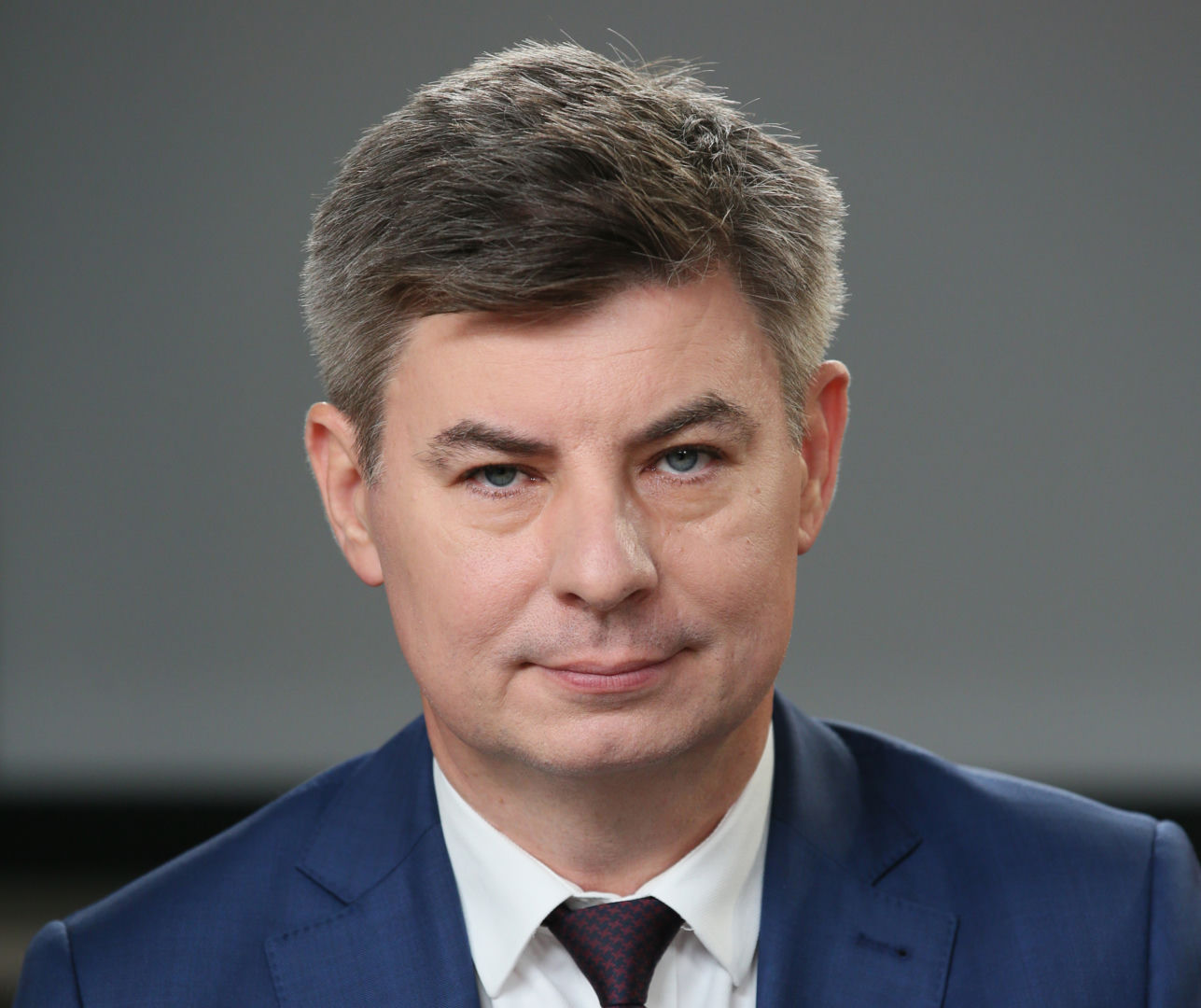
Prof. Andrzej Nowak: Sources of the weakness of the state. Around VII volume “Todays of Poland
date: November 18, 2025 Editor: Anna
Prof. Andrzej Nowak, who completed the 7th volume of the monumental series “The Acts of Poland”, shares his reflections on the times described in the section entitled “Falling and Emerging”.
According to the historian, the Polish monarchy had any political flaws that were born earlier than the reign of John III Sobieski or his predecessors: the life exercise of the hetman function made the individual in that position inescapable, and the powers he had besides frequently led to conflict between the king's authority and the hetman's capabilities.
After the end of the Jagiillon family, a free election was invented, in which abroad envoys tried to interfere; however, they succeeded only in the minute of the weakness of the Republic.

"As I describe it in the seventh volume, the final symbol of this fall will be the election of 1733, erstwhile most citizens, and it is crushing – about 90% of those who appeared in the election field at Warsaw – chose their candidate Stanisław Leszczyński, but the Tsaric, Tsaric, or Empress, as willed, Anna Ivanovna, ruler of Russia, together with the ruler of the Habsburg Empire, decided that the king elected by Poles did not respond to them, they will elect their and Tsaric Anna for Poles, who sent their troops to Poland the ruler that Russia wanted, and not the Poles wanted. It was an open violation of the rule of free election, and Poland was powerless due to the fact that it had no army to defend itself against external intervention," explains Prof. Andrzej Nowak.
“This is where the thought or popularity of this thought was born, which will find its conclusion in the Constitution on May 3: let us return to the thought in which we will choose a dynasty. any combination of the rule of electorality, we will make a choice, in a free way citizens recognise that this, alternatively than another dynasty, will regulation with us," explains the historian and announces that the consideration of this thought will be included in the eighth volume of “Todays of Poland”.
"It must surely respect this argument that after the experiences of the end of the 17th and 18th centuries, the experiences erstwhile the free Republic and free election became a fiction, subject to the interests of the neighbours, specified a measure, specified a movement was hard to challenge, hard to ignore as a remedy of the Republic. It was essential to strengthen the central power and separate it from the force of external empires in the long word – in specified a way 1 can realize the evolution of the thought of the electiveness of thrones in Poland. any believe that these efforts, which were so consistently made by Jan III Sobieski for the remainder of his life, to make his own dynasty, to present his sons as princes, to whom the throne belongs in Poland after him, are any wasted chance to save the Republic. Again, I consider this kind of reflection as completely ahistorical, detached from the context, I would say, imagination and political sensitivity of citizens, and it must be reckoned with," explains Prof. Andrzej Nowak.
As the historian explains, even then, as it is to this day, our national defect was envy, by which the nobles did not agree to the reign of the descendants of John III Sobieski as part of the fresh royal dynasty. That's where the thought of looking for a abroad household came from.
“This is besides a sad trait that can be hurt, but a trait that is so powerful to this day: we look at the abroad, so that individual comes from outside and saves us, due to the fact that we ourselves can do nothing. A akin mentality begins to make as late as the 17th century, which I besides describe in this volume. I don't approve of her, I criticize her, but this is part of our identity. And it was this attitude that John III Sobieski was following: after all, erstwhile he was a captain, he did not search a throne for himself, as long as any French prince became ruler – that was his attitude. It was only Marysieńka, wife of Hetman Sobieski, who convinced him: do not search the throne for the French, you can become king yourself. This happy combination of the wife's force and the fact that He had just received Sobieski's large triumph under Chocim, made him king in 1674. And it was this experience of the mentality of the day that unfortunately inactive existed in our country that led to the efforts of John III Sobieski to make his sons, especially his firstborn boy Jacob, heirs to the throne, were accepted as unacceptable by fellow citizens, by the leading magnate factions who looked at it through the prism of ambition of their leaders," says Prof. Andrzej Nowak.
The full message available on the White Crow tv channel
“This is where the thought or popularity of this thought was born, which will find its conclusion in the Constitution on May 3: let us return to the thought in which we will choose a dynasty. any combination of the rule of electorality, we will make a choice, in a free way citizens recognise that this, alternatively than another dynasty, will regulation with us," explains the historian and announces that the consideration of this thought will be included in the eighth volume of “Todays of Poland”.
"It must surely respect this argument that after the experiences of the end of the 17th and 18th centuries, the experiences erstwhile the free Republic and free election became a fiction, subject to the interests of the neighbours, specified a measure, specified a movement was hard to challenge, hard to ignore as a remedy of the Republic. It was essential to strengthen the central power and separate it from the force of external empires in the long word – in specified a way 1 can realize the evolution of the thought of the electiveness of thrones in Poland. any believe that these efforts, which were so consistently made by Jan III Sobieski for the remainder of his life, to make his own dynasty, to present his sons as princes, to whom the throne belongs in Poland after him, are any wasted chance to save the Republic. Again, I consider this kind of reflection as completely ahistorical, detached from the context, I would say, imagination and political sensitivity of citizens, and it must be reckoned with," explains Prof. Andrzej Nowak.
As the historian explains, even then, as it is to this day, our national defect was envy, by which the nobles did not agree to the reign of the descendants of John III Sobieski as part of the fresh royal dynasty. That's where the thought of looking for a abroad household came from.
“This is besides a sad trait that can be hurt, but a trait that is so powerful to this day: we look at the abroad, so that individual comes from outside and saves us, due to the fact that we ourselves can do nothing. A akin mentality begins to make as late as the 17th century, which I besides describe in this volume. I don't approve of her, I criticize her, but this is part of our identity. And it was this attitude that John III Sobieski was following: after all, erstwhile he was a captain, he did not search a throne for himself, as long as any French prince became ruler – that was his attitude. It was only Marysieńka, wife of Hetman Sobieski, who convinced him: do not search the throne for the French, you can become king yourself. This happy combination of the wife's force and the fact that He had just received Sobieski's large triumph under Chocim, made him king in 1674. And it was this experience of the mentality of the day that unfortunately inactive existed in our country that led to the efforts of John III Sobieski to make his sons, especially his firstborn boy Jacob, heirs to the throne, were accepted as unacceptable by fellow citizens, by the leading magnate factions who looked at it through the prism of ambition of their leaders," says Prof. Andrzej Nowak.
The full message available on the White Crow tv channel