The book “Wars of Modern Tribes” by Michał P. Markowski was published in 2018. However, despite the passing of these 7 years, the “War” has not lost much to the news. In addition to reading Markowski's book in the historical key (although short-range), it is besides valid present to read in line with the author's first thought of facing the phenomenon of populism; a phenomenon which, as we know today, alternatively of weakening, seems to only grow stronger. ‘Wars” are conceived as a kind of essay-guide, where Markowski tries not only to item what he is and where the global phenomenon of populism came from (the author focuses mainly on Poland and the US, but his remarks can be addressed in another countries specified as Brazil or the United Kingdom), but – above all – how to reconstruct politics to its right path..
If “War” is simply a guide, then the question should be asked: a guide to who? Markowski does not hide that the default recipient of his book is the “liberal-democratic” website. At the another end of the political dispute are populists. However, it is not that only 1 of Markowski's sides is getting hit. The author points to many faults or faults of this – democratic, not populist – faction. In fact, it sounds in the title of the book. "Plemons" – a concept that carries the connotations of primitiveism, savagery – alternatively than "the tribe versus", meaning that the tribes are both sides.
For war – whether the democratic side wants it or not – it takes two.
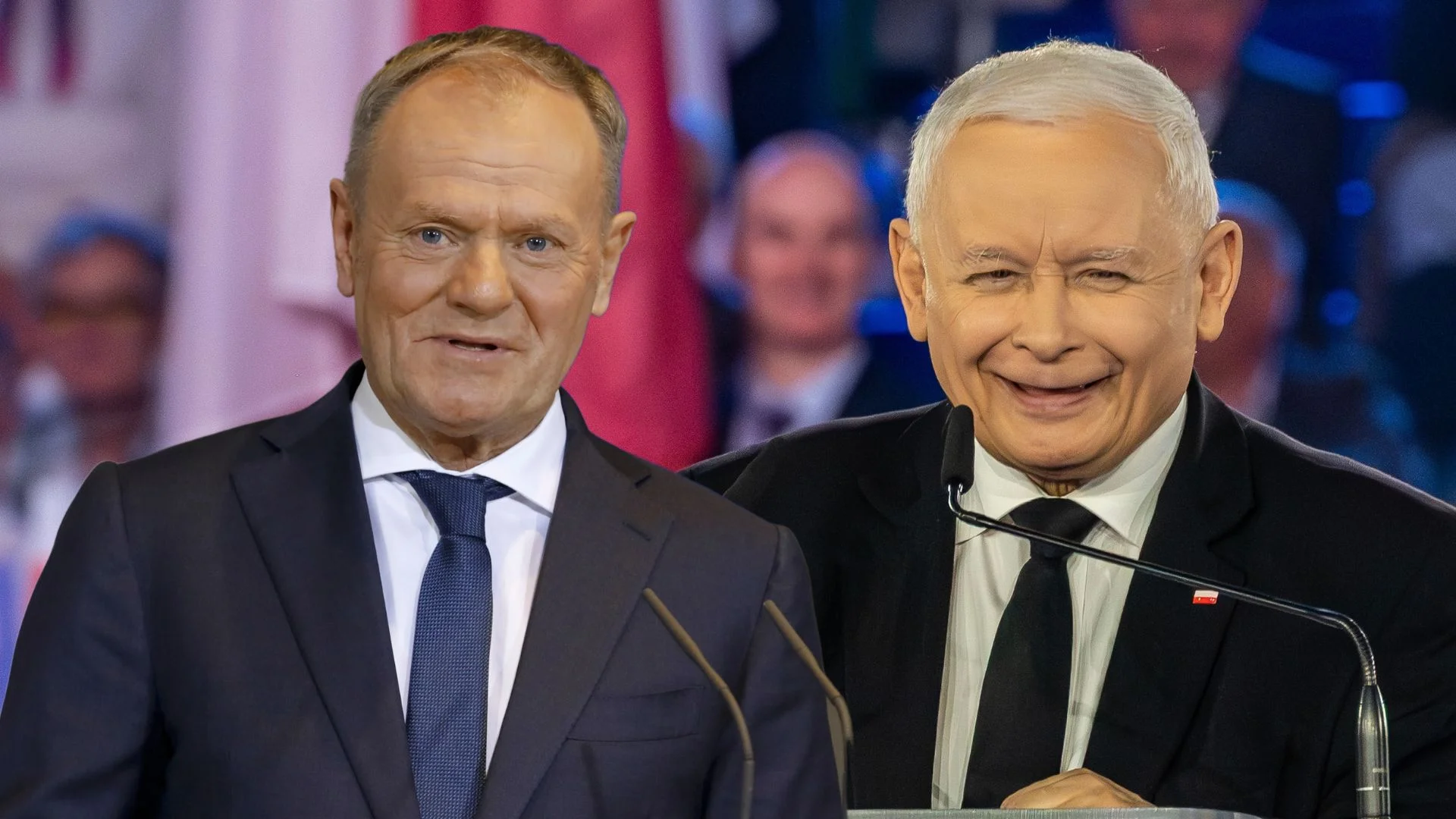
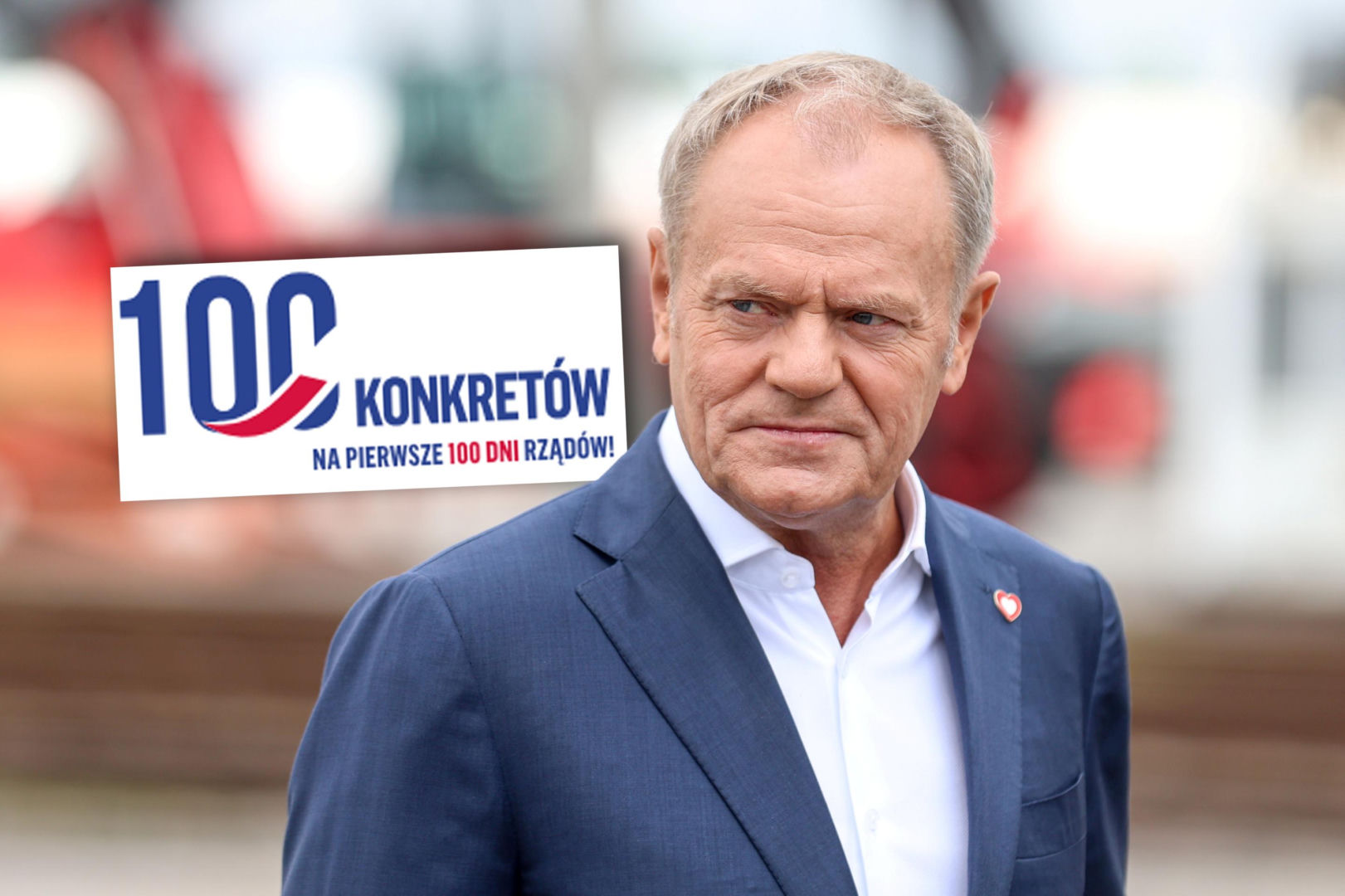
A kind of distance with Markowski – manifested in the freedom of speech – comes from the fact that the author has lived permanently in the United States for a fewer good years. Revealing the ignorance of the liberal side – its groundly contemptible attitude to the "unenlightened" masses, its fundamental inability to realize the causes of the detonation of populism – Markowski does something that is not welcome in the Polish intelligence space. If he had lived in Poland – if he had not met the most common ostracism – he would surely have been wearing a symmetry patch. This inability of Democrats to accept any form of self-criticism – 7 years after the release of the “Wars” – ends, among another things, with the defeat of Rafał Trzaskowski in the fresh presidential election, or fatal quotations Donald Tusk's liberal government.
Polarisation, democracy
The main thesis of the “War” is emphatically expounded by the author himself: “...the political polarization we are witnessing and with which we are dealing at all turn of everyday life, not only being a tv or paper “news”, according to recognition of opinions, beliefs and values for basic determinants of political life." According to Markowski, the fundamental change that we are witnessing present is the transition from a vertical relation – consisting in the fight of power against protesters, the mountains with the bottom – to a horizontal relation in which 2 groups, 2 fronts, 2 tribes – always two, always 50-50... – conflict for the primacy of their own worldview. That is polarization – we know it, we know it, we feel it – that is its mechanics. But where does it come from, why are we so immersed in it?
Sens – Markovski repeats this to pain – compared to values or beliefs, 1 can examine, “and the explanation is the survey of this sense”. What is the main tool of interpretation? Firstly, the point – secondly, common agreement on the fact that fact – meaning can be achieved. That's what communication is. Without this assumption, communication could not exist, it would be impossible, absurd.
Someone will cry out, "That's right, but you can't communicate with these people! And it is possible that this is the case: in fact, frequently it is impossible. To Markowski, however, it is something a small different: the commonness between us all – as communicating beings – the presumption that there is simply a anticipation of truth. In another words, we interpret. And “to the degree that politics is seeking opportunities to change reality, explanation is its main tool. This political action in the sense that we want individual else – the reader or the interviewer – to take precisely the same position on reality as we do, due to the fact that either he knows nothing about it or he does not anticipate it at all, provided that consent to that position is not forced by force.” Only by rebuilding common communication – rebuilding politics, restoring it to the lines of discussion about meaning, not values – will it be possible to end wars of modern tribes – not conflicts in general, in the sense of disputes, exchanges of thought or views – but wars.

![Pięć lat kręcenia się w kółko. Jak Agora dzieliła i łączyła Gazeta.pl z Wyborczą [OŚ CZASU]](https://i.wpimg.pl/1920x/filerepo.grupawp.pl/api/v1/display/embed/e1b0b4f9-7eba-455c-95d6-8649f34ef4eb)