27 years ago, Poland joined the North Atlantic Alliance. This decision changed the country's strategical position and direction of improvement of its armed forces and marked its permanent anchor in Western political and military structures. Today, the Republic of Poland belongs to the most crucial countries of the east flank of NATO.
March 12, 1999 in American Independence, Missouri Poland has officially become a NATO member. abroad Minister Bronisław Geremek handed over the U.S. Secretary of State Madeleine Albright's instrument of ratification of the Washington Treaty, ending the process that lasted almost a decade. On the same day the Czech Republic and Hungary joined the Alliance – the first states of the erstwhile east bloc, which were adopted into NATO structures.
The event was not only formal, but besides symbolic. The venue for the ceremony was the President's Library of Harry Truman – a politician who, after planet War II, played a key function in building the Western safety strategy and in the 1949 NATO uprising. 50 years later, the countries of Central Europe, which for decades remained in the sphere of influence of the russian Union, joined the alliance created in consequence to the Moscow threat.
For Poland it was 1 of the most crucial strategical decisions after 1989. NATO membership meant a permanent anchoring of the country in Western structures and including it with a collective defence strategy under Article 5 of the Washington Treaty.
The Way to the Alliance
Attempts for NATO membership began almost immediately after the collapse of the communist strategy in Poland. Already in the early 1990s in Warsaw, the belief that sustainable state safety can only guarantee integration into Western political and military structures grew. The collapse of the Warsaw Pact in 1991 and withdrawal of Russian troops from Poland created a fresh strategical situation, but at the same time left Central Europe in a kind of safety vacuum.
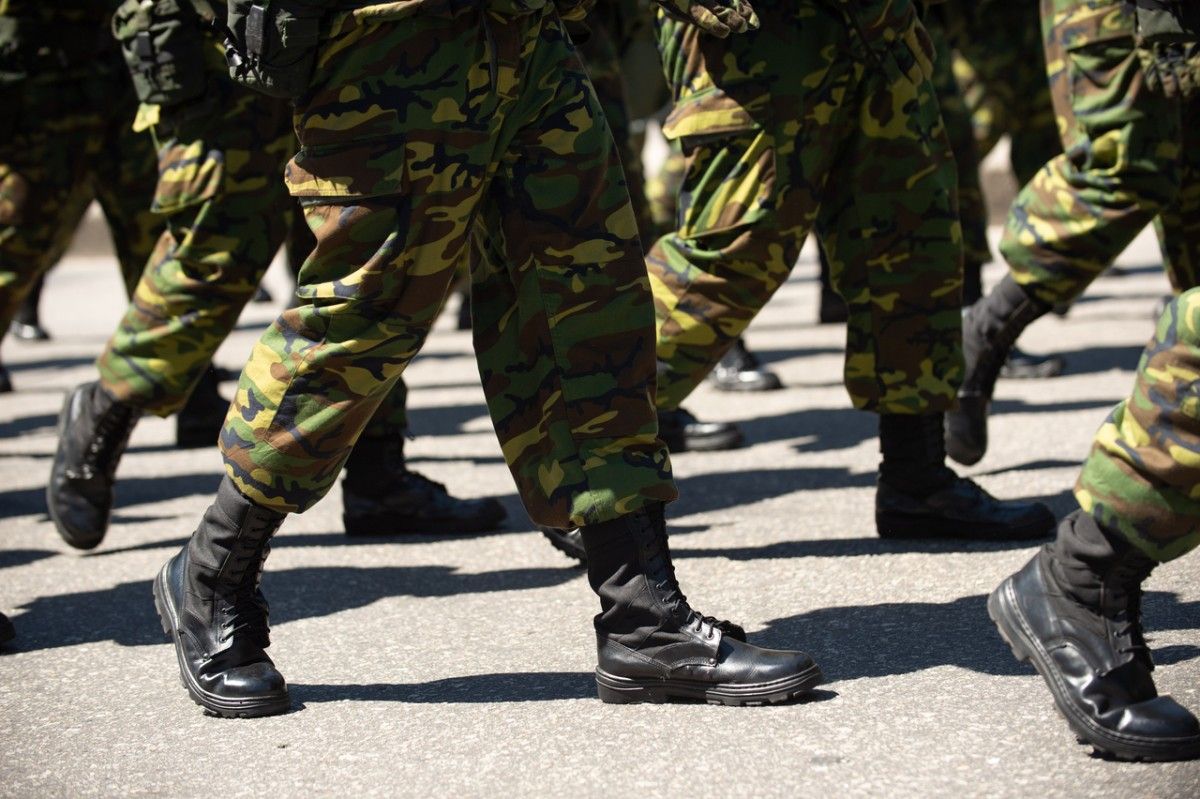
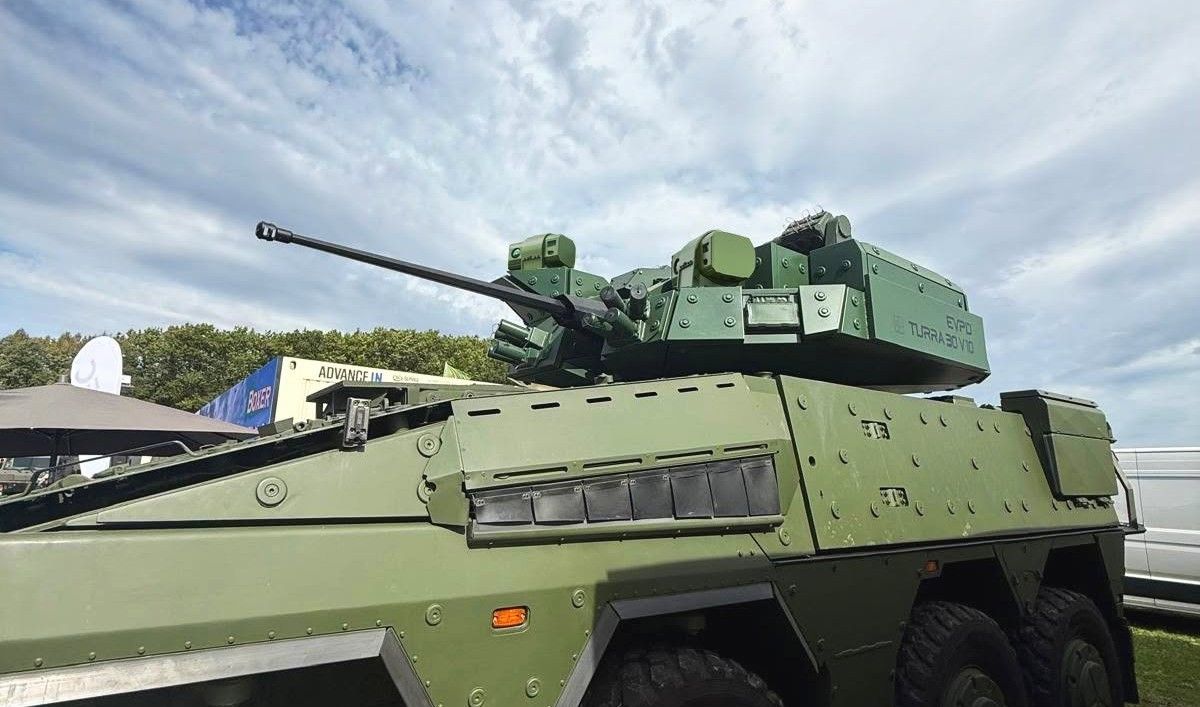
Training Polish and Estonian soldiers.
The first step on the road to NATO was the accession of Poland in 1994 to the Peace Partnership Programme. This initiative enabled the countries of Central and east Europe to make military cooperation with the Alliance, participate in joint exercises and gradually adapt the armed forces to NATO standards. For Poland it was besides an crucial political signal – confirmation that the door to the Alliance remained open.
In the following years Warsaw sought a formal invitation to NATO. Diplomatic efforts were supported by reforms in the country: civilian control of the armed forces was introduced, the army was upgraded and its structures adapted to Western standards of command and operational planning. Poland has besides actively participated in exercises and cooperation programmes with the Alliance countries, showing that it is ready to become its full member.
The breakthrough occurred in July 1997 at the NATO summit in Madrid. The Alliance leaders invited Poland, the Czech Republic and Hungary to start accession negotiations. After their completion, the process of ratifying the accession protocols in the parliaments of NATO states began, which lasted over a year and yet opened the way for the historical decision of March 1999.
Soldier exercises from conflict Group Poland with cadets.
Transformation of the Polish Army
Membership in NATO meant not only political safety guarantees for Poland, but besides the request for deep reconstruction of the armed forces. The Polish Army, which inactive functioned in accordance with the procedures inherited from the Warsaw Pact in the early 1990s, had to be adapted to the standards of the Alliance.
The changes afraid virtually all areas of the army's operation. fresh command and operational planning systems have been introduced. There has been a large deal of emphasis on interoperability, namely the ability to act together with the troops of another NATO states. This meant both modernising equipment and changing training procedures and how operations were conducted.
The transformation process besides included the gradual professionalization of the armed forces. In the following years, the army's numbers were reduced, while expanding its mobility and ability to participate in global operations. method modernisation was besides an crucial element. The symbol of these changes was the acquisition of multi-tasking F-16 aircraft, which marked the entry of Polish aviation into a fresh technological era of development.
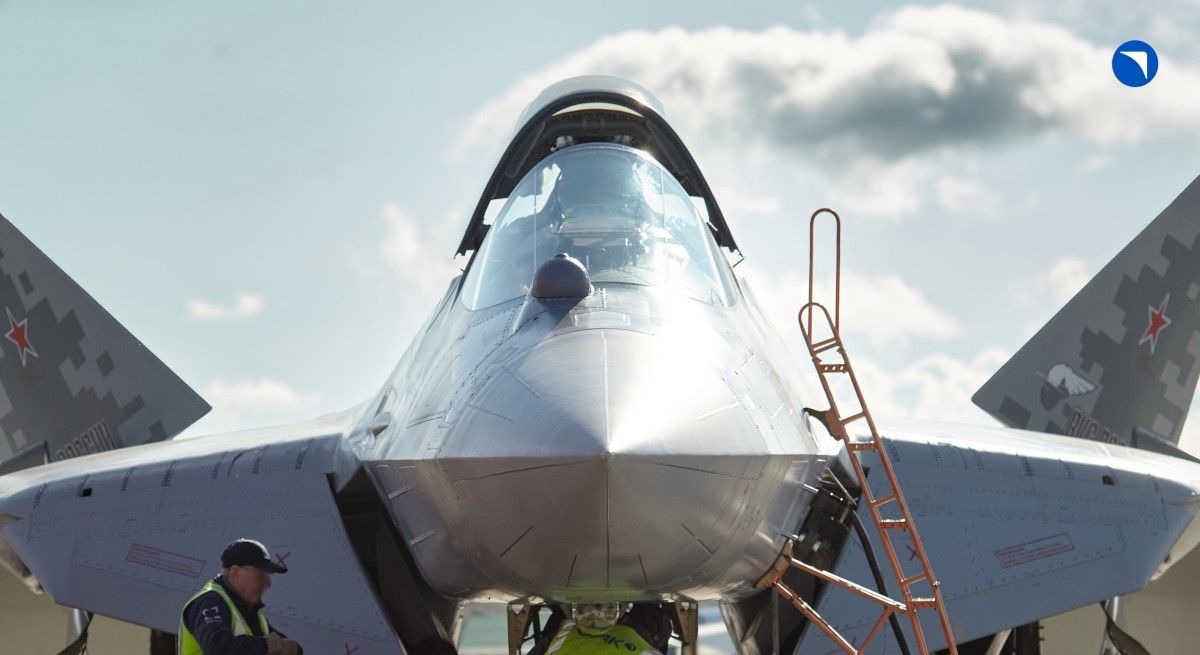
F-16 with PKW Orlik during joint training flights with F-16 pilots from Romania and Portugal.
Membership in NATO besides opened up the anticipation for the Polish Army to participate intensively in global exercises and training. As a result, Polish soldiers were increasingly cooperating with partners from another countries of the Alliance, gaining experience that was shortly to be utilized in real operations outside the country.
Foreign missions
With the entry into the Alliance, Poland began actively to participate in global operations conducted under the auspices of NATO. Participation in them was not only an expression of allied solidarity, but besides an chance to gain experience in combat and applicable investigating of the ability to interact with another states' armies.
One of the first specified missions was a stabilization operation in Kosovo. Polish soldiers were part of the KFOR forces, which have been liable for maintaining safety in the region since 1999 after the conflict in the erstwhile Yugoslavia ended. In subsequent years the Polish Army participated in many global operations, but the biggest challenge proved to be Action in Afghanistan.
After the September 11, 2001, NATO launched Article 5 of the Washington Treaty for the first time in history, recognising a terrorist attack on the US as a strike against the full Alliance. Poland joined the operation in Afghanistan and in subsequent years the Polish contingent was among the largest among NATO countries. respective 1000 Polish soldiers served during the highest period of the ISAF mission in Afghanistan.
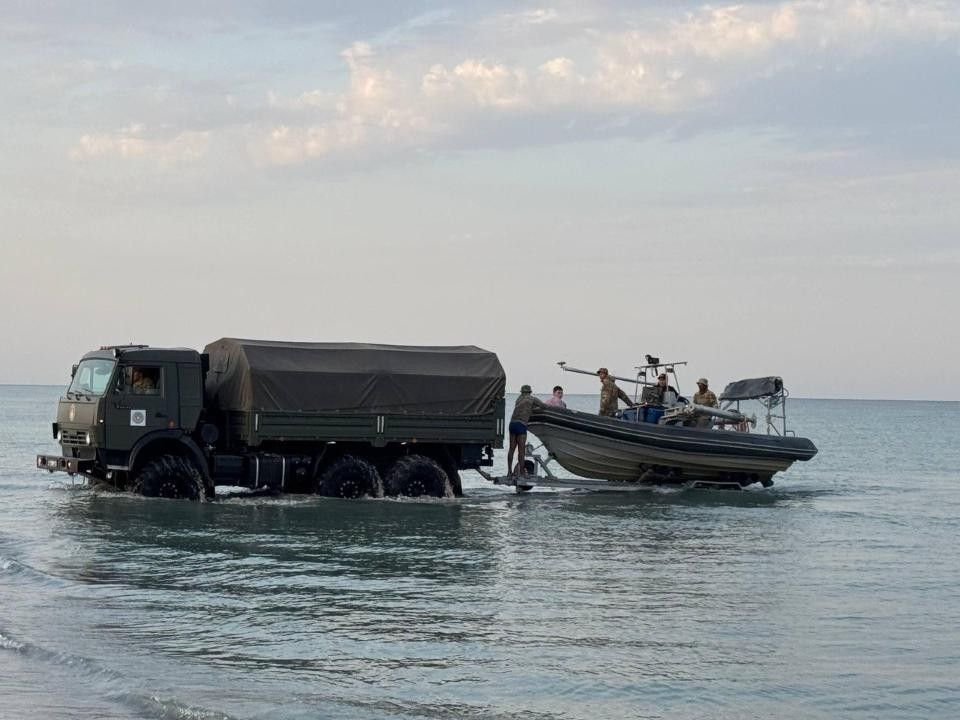
Integration of forces of the Polish Navy and NATO.
In parallel, Poland besides became active in stabilising Iraq after the 2003 intervention. For respective years Polish soldiers commanded 1 of the multinational divisions liable for safety in the central part of the country. It was 1 of the largest operational projects in the past of modern Polish armed forces.
Participation in NATO operations made the Polish Army gain valuable experience in expeditionary activities. For many soldiers, this was the first chance to participate in real combat operations conducted together with allies.
The Alliance is returning east
For the first years after the end of the Cold War, NATO focused mainly on stabilisation operations outside the associate States. The situation began to change after 2014, erstwhile Russia has annexed Crimea and began armed action against Ukraine. These events directed the Alliance's attention back to defending the territory of the associate States.
For Poland and another countries of the region it was a breakthrough. At the 2016 NATO Summit in Warsaw, it was decided to deploy multi-national conflict groups in Poland and the Baltic States as an component of deterrence and visible symbol of the alliance presence.
At the same time, the presence of US troops in Poland grew. fresh military infrastructure was created, joint exercises and training cooperation were developed, and Poland gradually became 1 of the key states liable for the safety of the east part of the Alliance.
Allies at the parade on the occasion of the 105th anniversary of the Warsaw conflict and the Polish Army Day, 2025.
The importance of the region increased further after a full-scale Russian invasion of Ukraine in February 2022. NATO then decided to further strengthen forces in Central and east Europe and make fresh defence plans for associate States.
Poland in NATO today
After more than a 4th of the century, Poland belongs to the most crucial countries of the east part of the Alliance. The country systematically increases defence spending and implements a wide programme modernising the armed forces, and its territory has become an crucial part of NATO's military infrastructure.
After 2022 Poland besides became 1 of the major logistics hubs for military assistance provided to Ukraine and the place of concentration of allied troops. At the same time, the Polish Army actively participates in NATO activities strengthening the safety of the region – from exercises to missions to patrolling the airspace of the Baltic States.
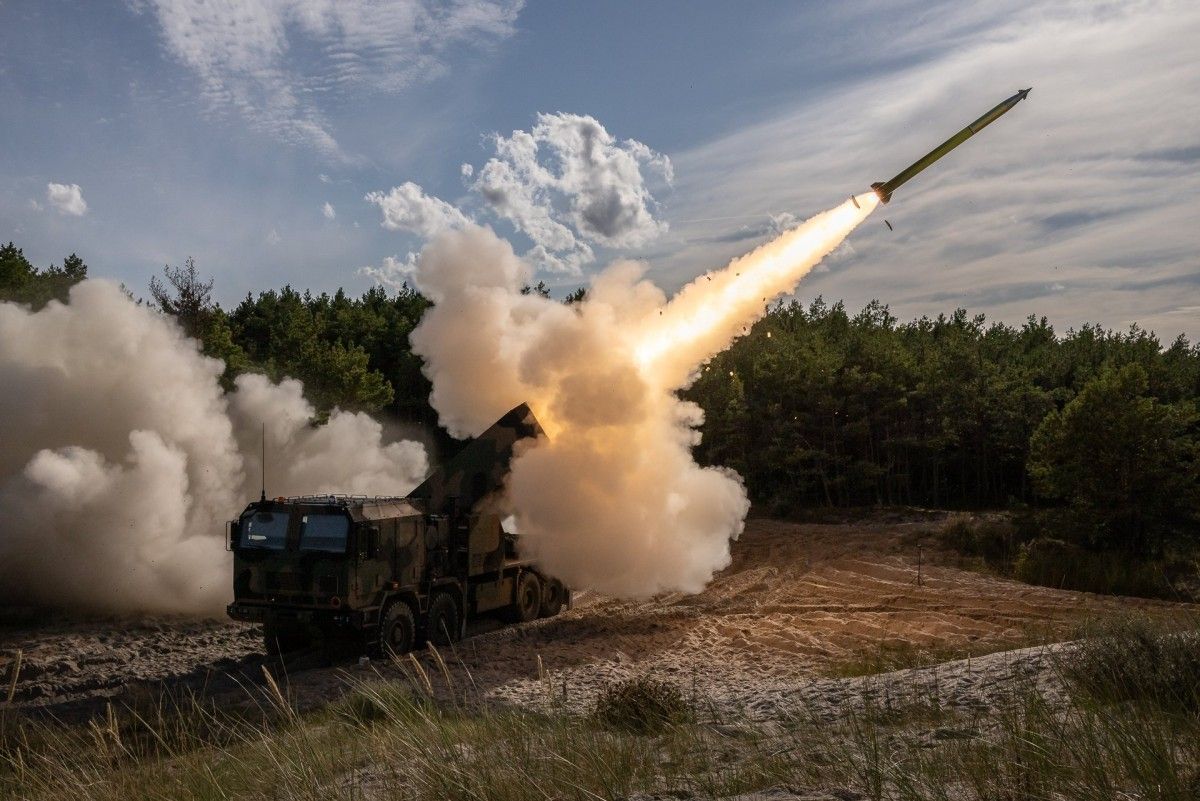
Dragon 24: Crossing the Vistula, 2024.
Russian aggression has restored NATO's central function in the European safety system. The Alliance states increase defence spending, make fresh defence plans, and grow military capabilities. At the same time, the organisation continues to expand, with Finland joining it in 2023 and Sweden 1 year later.
When Poland entered NATO in 1999, it was a symbol of the ending of the post-war division of Europe and the permanent anchoring of the country in the western safety system. After 27 years Poland is no longer the sole beneficiary of allied guarantees – it is increasingly seen as 1 of the pillars of safety in this part of Europe.