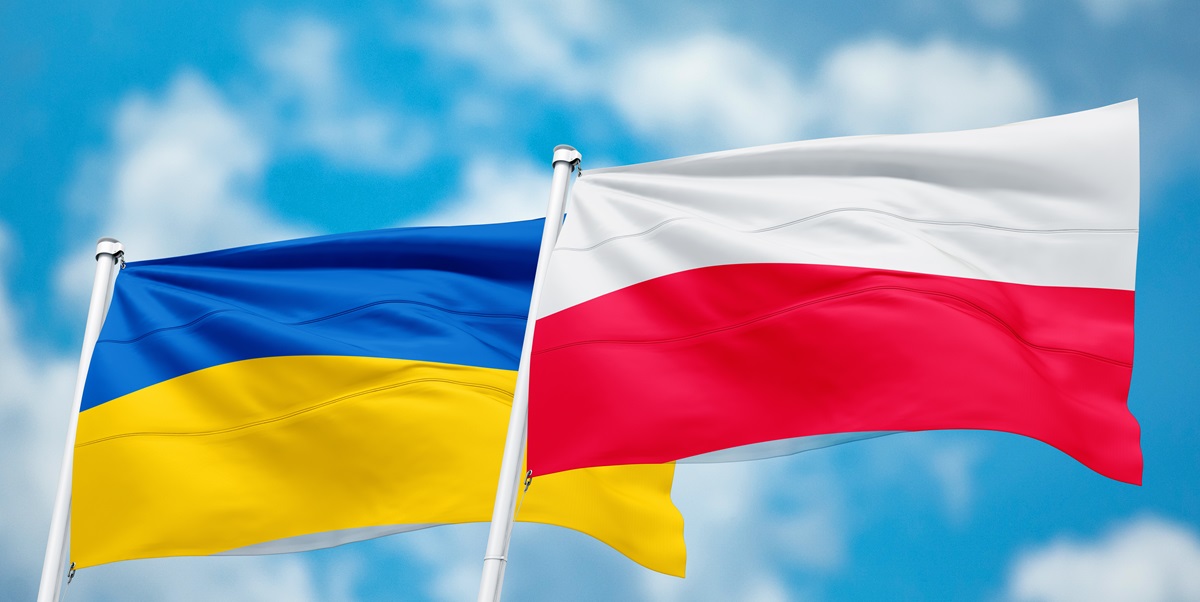
The heirs of Andrzej Lubomirski filed a motion in the Polish territory Court to safe 2 paintings from the Lviv collections, which have been presented in the Museum of Central Pomerania since the beginning of the war. The household wants the works to stay in Poland and not return to Ukraine after the war. The heirs' lawyer assures us that this is not a private acquisition of the collection.
Two portraits at the heart of the dispute
In the heart of the substance there are 2 works presented at the pole exhibition. The first is "Portrait of Roxolana", oil of an unknown author dated to the 16th century. The second is the “Portrait of a Young Man” by Alojze Rejchan's 1850 brush. The value of both canvases has been estimated according to reports of about PLN 150 thousand, although their importance to the past of the Lviv collection is hard to express in money. Both hit the Baltic as part of the collection evacuated after the Russian invasion began, erstwhile they were rescued from the effects of shelling. Today, they, not the full large collection, have become the subject of precedent.
How Lviv's collections found themselves on the Baltic Sea
The paintings were shown at the exhibition “Kresa Europe – from the vault of the Lviv Historical Museum” which opened on 10 June and will last until 18 October. The exhibition consisted of more than 600 exhibits: archaeological monuments, numisms, orders and portraits related to the erstwhile Republic of Poland. The collection was presented earlier in Lublin and Wrocław, and in autumn it is due to go to Warsaw. Museumists remind how crucial the center of Lviv was for Polish culture, discipline and national memory. The deposit was to be a motion of care over the endangered inheritance, and it became a starting point for the property dispute.
Certificate of heirs
The application for safety was filed by the heirs' lawyer Maciej Obrębski. Its intent is to ban the export of works from the country until the dispute over their property is resolved. Before the war, the paintings belonged to Andrzej Lubomirski's Przeworski Order, and historically related to the erstwhile Lubomirski Museum in Lviv and the Ossolineum. The Plenipotentiary emphasizes that the household is not about taking over the collections by private individuals, but about leaving them in the Polish cultural institution, for example in the Museum of the Lubomir Dukes created in Wrocław. specified a turn of the case shifts a long-standing dispute over a finite legacy from public debate to a courtroom. The Lubomir household has been seeking to return the scattered collections of erstwhile ordination for years.
Position of the Lviv side
The Lviv Museum is of the opinion that the works belong to Ukrainian state resources, and that they came to Poland only for the time of war to defend them from destruction. In this sense, the Polish institution is only a depository, which is obliged to return the entrusted facilities. The Ukrainian side warns that the effort to halt works undermines the trust on which the saving of monuments during the war is based. The dispute thus goes beyond 2 canvases and touches the rules whereby neighbors entrust themselves with cultural treasures. Kiev emphasizes that after the war all entrusted objects are to return to Ukraine.
Deposit that became an attempt
The case so touches more than 2 images. It shows how hard it is to separate custody of threatened heritage from the question of its rightful owner, especially erstwhile memory of the lost Edges is involved. The Słupsk court will gotta consider both ownership papers and a broader historical context that cannot be closed in the file. Regardless of the sentence, the motion of solidarity conceived as a shelter for art turned into a test of who truly belongs to the old Lviv collection. The decision may affect the destiny of another works entrusted to Poland during the war.