Iran – this is not a riot, this is simply a state crisis. What has been happening in Iran for weeks is being brought into European media to the convenient abbreviation “another wave of protests”. This word calms – suggests something temporary, manageable. In fact, there is simply a increasing crisis in a country where economic, social and political factors have converged.
Iran did not abruptly find itself at this point. For years, it has been operating in a state of chronic tension: global sanctions, economical isolation, inflation and a sharp fall in the value of rialu is simply a painful everyday life of society. In the background, there is an extended apparatus of power and repression, which is increasingly coping with the control of social sentiments.
The immediate impulse of the protests was the dramatic material situation. Rising prices, deficiency of basic goods and decline in real income. But that's just the starting point. Demonstrations rapidly developed into a much broader movement: against the political strategy and the helplessness of the power elites. Protesters request systemic change, respect for civilian rights and the end of theocratic dominance in politics.
Various social groups participate in the demonstrations: young people, workers, students, tiny entrepreneurs and women. The scale of this mobilisation indicates that we are dealing with a social rupture, not a local-scale incident.
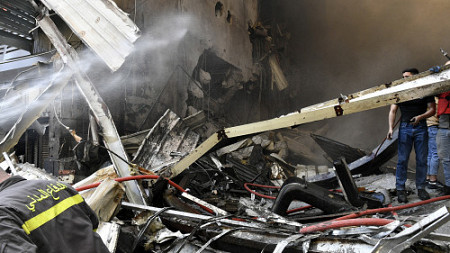
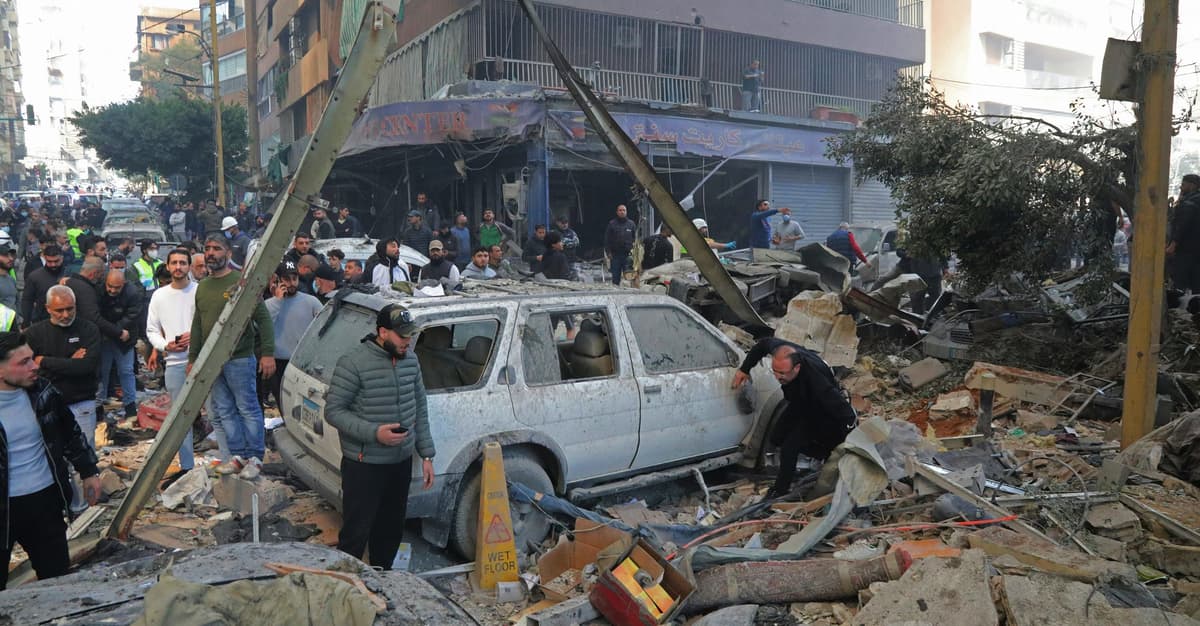
The reaction of the authorities was fast and violent. Within 2 weeks of the protests, safety forces utilized sharp ammunition, and reports from the country indicate hundreds of dead and thousands of detainees. According to human rights monitoring organisations, the number of fatalities may exceed 500, and detentions cover more than 10,600 people, although accurate data are hard to confirm due to widespread net blackout and access restrictions.
Among another things, in fresh days, the Iranian authorities have arrested key protest leaders and tightened rhetoric towards demonstrators, identifying them as ‘particles of riots’ whose actions are to be punished in accordance with the law.
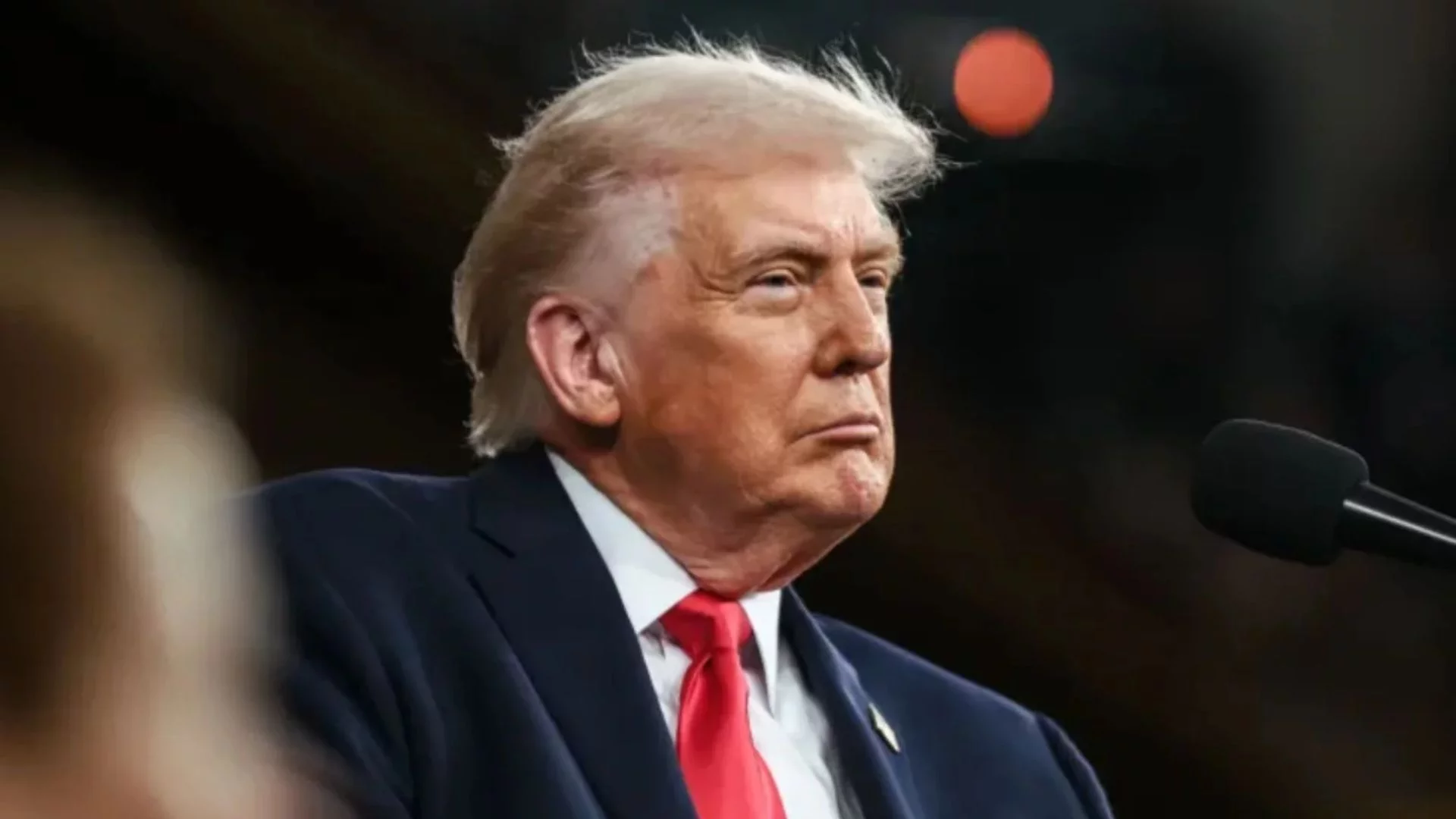
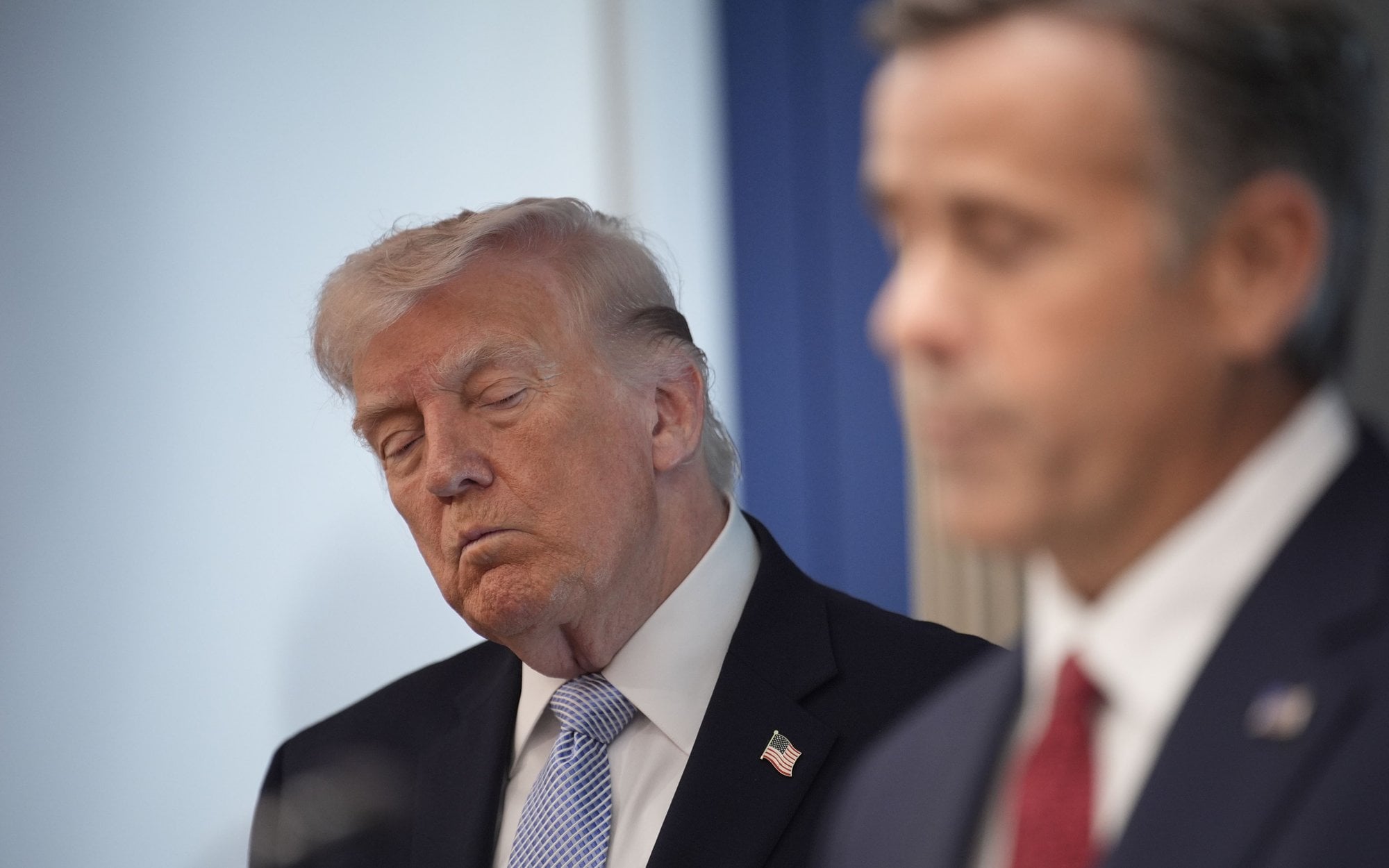
In view of the escalation of violence, the consequence of the United States, under president Donald Trump, is formally supporting protesters. Trump and any U.S. politicians have declared their willingness to "help" the Iranians, threatening possible intervention if Tehran leads to massacres of demonstrators.
Donald Trump publically stated that the US "stands ready to help" and that the Iranians "look at freedom possibly as never before." At the same time, the administration is consulting on possible options, including possible military or cyber action, although decisions have not been taken.
This position is primarily informing and rhetorical. The administration fears that further bloody repression of peaceful protesters could bring a decisive reaction to Washington. However, real steps, especially military ones, are treated as a last resort, as a direct conflict with Iran would affect serious regional consequences.
The Iranian authorities responded equally harshly to Trump's words. Tehran warned that any attacks by the US or their allies, including Israel, would meet with retaliation, and that "American and Israeli goals would become legitimate targets". specified declarations increase the hazard of further escalation, even if they are now primarily part of both sides' rhetorical game.
For Iranians themselves, these global tensions are limited in everyday life. verbal support, warnings or threats of sanctions do not defend demonstrators from sticks or bullets, and force tools, specified as economical sanctions, frequently exacerbate the problems of average citizens. As a result, external force can act both as an expression of support and an additional complication that the government uses in propaganda, presenting protests as a consequence of ‘foreign interference’.
The current wave of protests is not a one-time outburst of discontent. It is simply a permanent process of erosion of trust, legitimacy of power and fear that changes relations between the state and society. Whether it leads to real political change, it already reveals deep cracks in the structure of the Iranian state.
Silence, simplification and bringing this situation to media coverage are a form of escape from responsibility. Even if we have no influence on the course of events, we have an influence on what we call them and realize them. And Iran present is not about "riots", but about a deep, as historical as possible socio-political change, the effects of which will be long-lasting and hard to reverse.
→ I.R. Parchatkiewicz
11.01.2026
• Photo: MAHSA/Middle East Images/AFP/Getty Images
• more author texts: > Here.