A Failed Visit to Washington
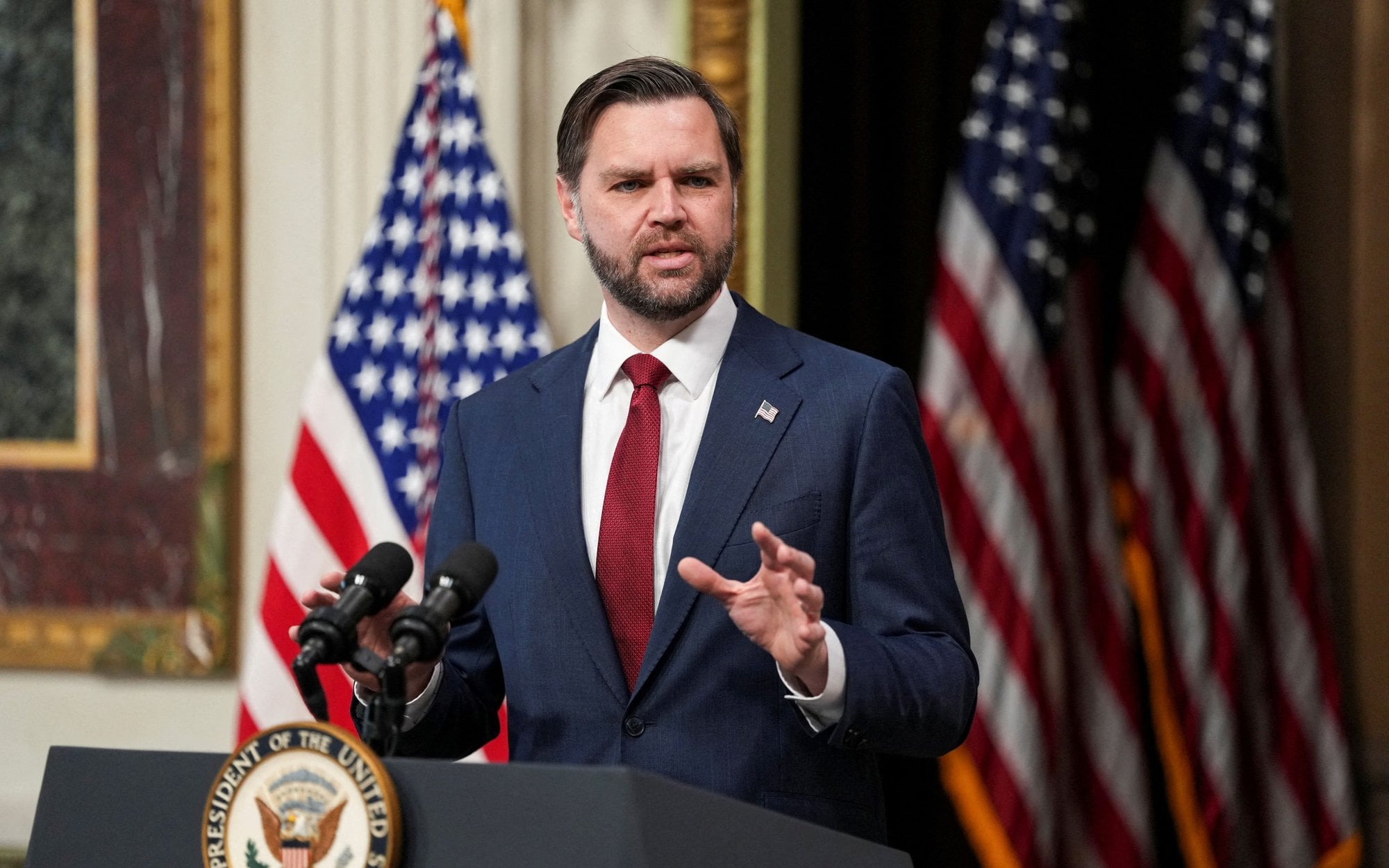
On October 17, a two-and-a-half-hour conversation between Presidents Donald Trump and Volodymyr Zelenski took place in the White House. During the public part of the gathering (first 30 minutes), which ran in a good atmosphere, the second thanked for his efforts for peace in Ukraine and expressed his hope of acquiring American maneuvering missiles Tomahawk (see Annex). He besides presented an offer of cooperation on drones – according to his earlier words worth $50 billion. Drone Deal would assume, among others, the creation of 50 million pilotless pilots in 5 years. Trump, in turn, stated respective times that tomahawks are a powerful weapon needed by the U.S., and their transmission will be the subject of the private part of the conversation with Zelenski. About Vladimir Putin, he spoke with an accent and repeated respective times that he wanted the war to end.
According to reports from Western media, this second phase of the gathering ran in a tense atmosphere. The leader of the United States was to shout and curse, put force on the guest to accept Russian terms, including giving all of Donbas, and endanger him that Putin would destruct Ukraine (Trump denied this information).
The day before, the president of the United States spoke by telephone to Putin about the Russian-Ukrainian War and prospects for business cooperation after it ended. It was agreed that the Heads of Diplomacy of both countries would begin preparations for the gathering of leaders, most likely in Budapest, in the next 2 weeks.
Trump's deficiency of consent for a clear military reinforcement of Ukraine while assuming that he accepted Russian narration, tells him to treat the gathering in Washington as a tactical success of the Kremlin. It reduces, at least until a possible gathering in Budapest, the chance for the US to increase force on Russia, and at the same time does not prejudge the scale of Washington's further support for Kiev.
Comment
- Zelenski wanted to convince Trump to increase Putin's pressure. The tool was to be the United States' consent to sale Ukraine to Tomahawk maneuvering missiles – and most likely to be other, but besides capable of burning objects in deep Russia. The possible of effective Ukrainian attacks and serious losses was to force the Kremlin to agree to halt military action along the current front line. At least the Kiev mark has not yet been achieved. Neither the counteroffer on drones nor the support and backing of European partners helped Zelensk. After the meeting, he revealed that Trump's Tomahawks did not say yes, but besides refused, and both parties undertook not to discuss the substance publicly.
- The transfer of Ukrainian tomahawks should be considered alternatively improbable for method and political reasons. There are no land launchers available for these systems – so far missiles have been fired from submarines and submarines. In addition, US resources (approximately 3.2 1000 missiles) and production and purchasing capacity (57 units in 2026) are considered besides low in the context of possible confrontation with China. Meanwhile, Kiev, in order to hit Russia severely, would request respective twelve specified missiles per month, which in the above context seems very hard to achieve.
- Trump's usage of Russian arguments and the deficiency of Kiev's expected U.S. decision is most likely due to the American leader's conversation with Putin. It came to this at the initiative of the Kremlin, afraid about the possible of Ukraine being armed by the United States. The anticipation of gathering the Russian leader in Budapest and the vague promise of concessions during talks about the end of the war influenced the US President's affirmative settlement on the tomahawks as allegedly obstructing diplomatic action.
- Kiev continues to express its willingness to meet Putin without preliminaries and in any format, but is not ready for crucial concessions. According to the media, the subjects discussed included the scope of Ukrainian territorial concessions, including the anticipation of withdrawing without fighting beyond the borders of the Donetsk Oblast. This is to be required by Moscow, allegedly agreeing to cease arms and resigning from uncontrolled areas of the Kherson and Zaporo region. For Ukraine, this is an unacceptable condition, meaning the military commitment of the best fortified areas and, in political terms, de facto surrender. The concessions are limited to periodic waivers, though not de jure, territories now occupied by the enemy.
Annex.Tomahawk maneuvering missiles
They carry a 450-kilogram warhead at a distance of 1300–1600 km (depending on the version), flying at a velocity of over 800 km/h at a tiny tallness and maneuvering along the site's sculpture to confuse hostile air defense. They service for precise strategical impacts, specified as communication and data exchange centres and state management positions, may besides destruct selected elements of critical infrastructure and the Adversary manufacture of large importance.
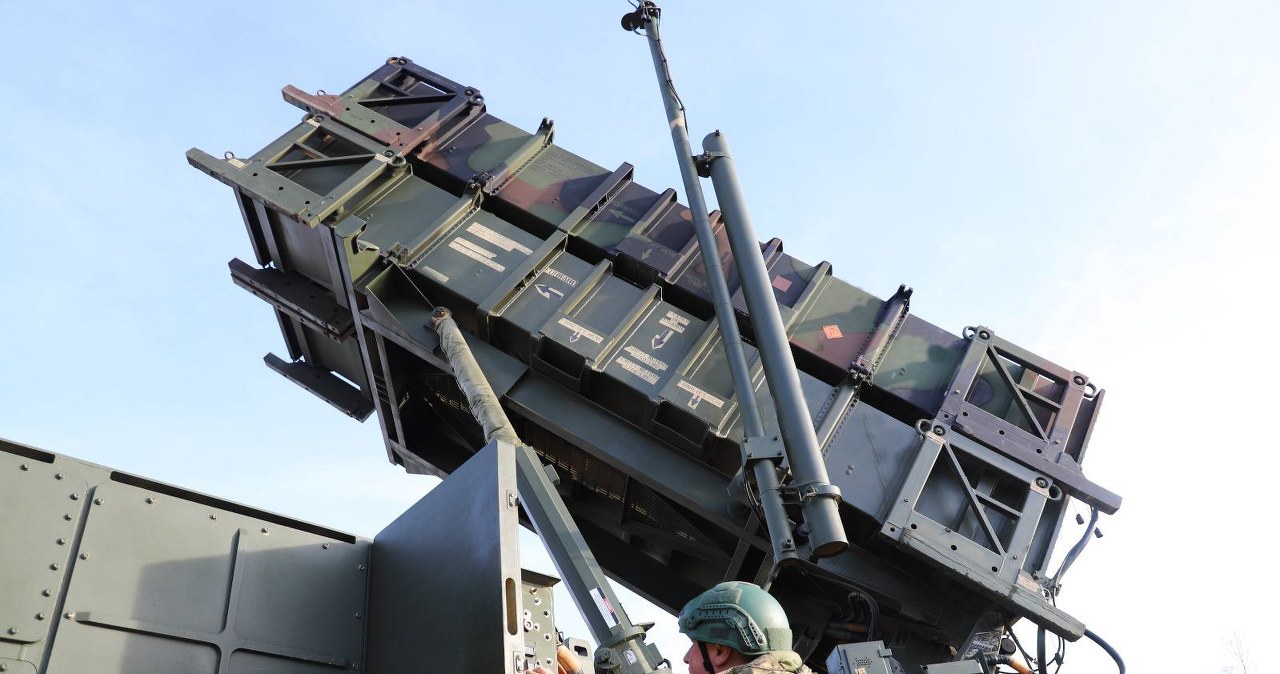
Tomahawk missiles are mainly fired from U.S. submarines and submarines (they are besides utilized by the United Kingdom and Australia Navy and will be utilized by the Netherlands and Japan in the future). Originally there was besides a version of land-based base, but after the signing of the INF Treaty it was withdrawn from service. As of 2019, the United States has been restoring the ability to launch tomahawks from the mainland under the Typhon system, but the launchers are only being manufactured for that purpose, and they are a strategical precedence for the modernization of the US Land Forces (see IPCC). Return of intermediate and average scope missiles to Europe).
In addition, there are 8 LRF (Long scope Fires) launchers, which this year – after 2 years of investigating – were withdrawn from the U.S. Marine Corps (USMC) due to the fact that the concept of firing single maneuvering missiles was considered non-perspective and wasteful of these means of destruction. American think tank (including CSIS) speculated about the anticipation of transfer Ukraine of these systems.