Ewakuacja to najtrudniejszy element systemu, bo lekcja z Ukrainy pokazuje, iż doktryny NATO często zawodzą – mówi prof. Bartłomiej Guzik, dyrektor 5 Wojskowego Szpitala Klinicznego w Krakowie. Opowiada też m.in. o powstającym Małopolskim Wojskowym Instytucie Medycznym oraz Grupie INKA, która integruje organizacje społeczne z wojskiem, aby pomagać w sytuacji kryzysowej.
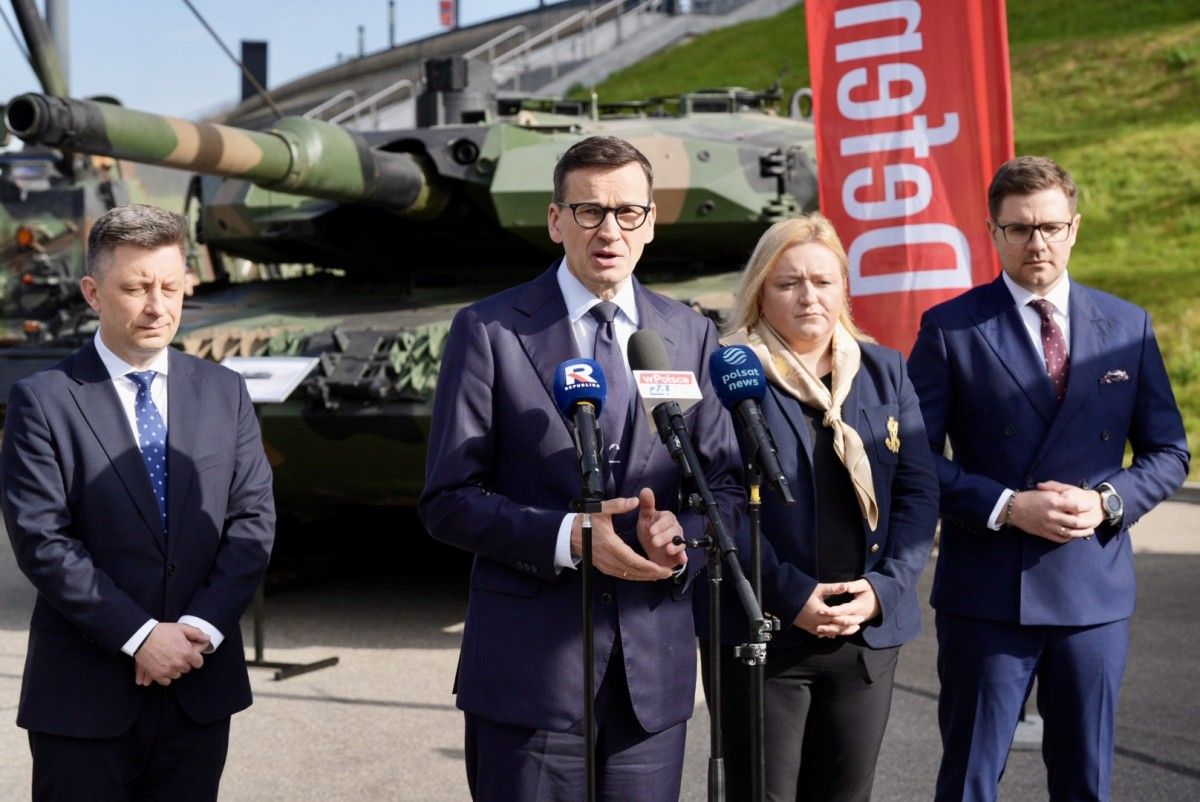
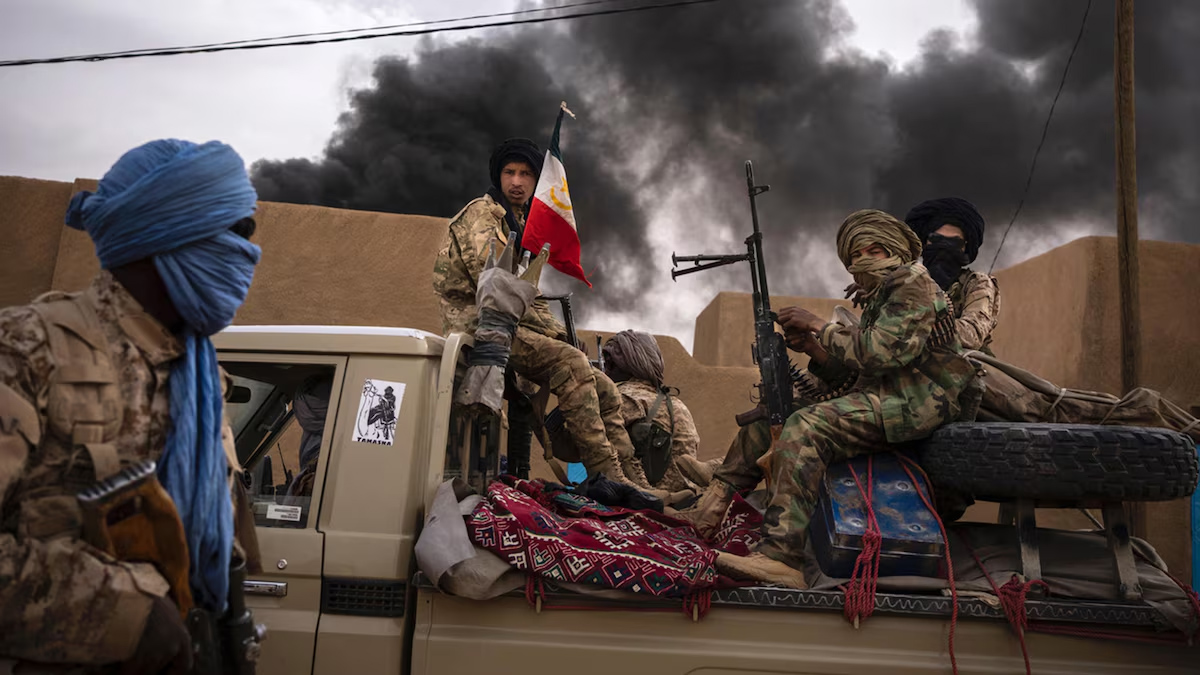
 Zdjęcie ilustracyjne.
Już 6 maja otwierają Państwo Multidyscyplinarne Centrum Wsparcia Badań Klinicznych. Czy to już element budowania zaplecza medycznego szpitala na sytuacje kryzysowe?
Prof. Bartłomiej Guzik: Cała koncepcja budowy Małopolskiego Wojskowego Instytutu Medycznego, który ma stanowić zaplecze dla wojsk specjalnych – szczególnie tych z południa kraju, ale też licznych jednostek w regionie – opiera się na kilku filarach. Podstawą jest rozwój zaplecza chirurgicznego: chirurgii urazowej, jamy brzusznej, klatki piersiowej czy głowy. Drugim elementem jest infrastruktura internistyczna.
Aby działać skutecznie, musimy leczyć w sposób nowoczesny. I tutaj pojawia się rola Multidyscyplinarnego Centrum Wsparcia Badań Klinicznych – dzięki niemu możemy prowadzić badania kliniczne, wdrażać nowe technologie i terapie. To pozwala nie tylko leczyć pacjentów cywilnych, ale też rozwijać kompetencje niezbędne w sytuacjach kryzysowych.
Na jakim etapie jest tworzenie Małopolskiego Wojskowego Instytutu Medycznego i jaką rolę ma on docelowo odgrywać?
Projekt jest przygotowywany na poziomie legislacyjnym w Ministerstwie Obrony Narodowej. Instytut ma przede wszystkim wspierać wojska specjalne i budować dla nich zaplecze medyczne. To szczególnie istotne w tym regionie, gdzie działa wiele kluczowych jednostek wojskowych: NIL, AGAT, JWK Lubiniec, Dowództwo Komponentu Wojsk Specjalnych czy 6 Brygada Powietrznodesantowa.
Jednym z kluczowych zadań jest stworzenie zdolności SOST, czyli Special Operations Surgical Team – zespołów chirurgicznych zdolnych operować żołnierzy w każdych warunkach. Taka zdolność już istnieje w ramach współpracy GROM-u z Wojskowym Instytutem Medycznym w Warszawie – naszym celem jest jej rozwinięcie i uzupełnienie. Docelowo chodzi również o to, by Polska posiadała taką zdolność w pełni certyfikowaną i uznawaną w strukturach NATO.
 Prof. Bartłomiej Guzik, dyrektor 5 Wojskowego Szpitala Klinicznego w Krakowie.
Potrzebujemy więcej takich ośrodków w Polsce?
Zdecydowanie tak. Rozwój armii musi iść w parze z rozwojem zaplecza medycznego. W całym kraju powstają tzw. szpitale przyjazne wojsku, a równolegle prowadzone są rozmowy dotyczące włączania kolejnych placówek do tego systemu. To proces długofalowy, który obejmuje różne regiony Polski i różne modele współpracy.
Dobrym przykładem jest krakowski Szpital Narutowicza, który znajduje się bardzo blisko naszego szpitala. To najbliższa jednostka medyczna, dlatego naturalnym kierunkiem jest budowanie między nami współpracy. Na tym etapie rozważane są różne modele. To element rozmów prowadzonych między resortem obrony a miastem Kraków. Podobne procesy toczą się także w innych miastach, m.in. w Ełku czy Przemyślu.
Warto też podkreślić, iż Kraków ma w tym obszarze szczególną rolę – oprócz silnego zaplecza klinicznego działa tu siedziba Dowództwa Wojsk Medycznych. To ułatwia koordynację i codzienną współpracę między wojskiem a cywilną ochroną zdrowia.
Kraków może stać się jednym z głównych ośrodków medycyny pola walki?
Ma ku temu potencjał – jest tu koncentracja jednostek wojskowych: 2 Korpus Polski, DKWS oraz jednostki specjalne i powietrznodesantowe. Wszystkie wymagają sprawnego i dobrze zorganizowanego zabezpieczenia medycznego. Jednak budowanie pozycji ośrodka medycyny pola walki to proces. Dopiero wchodzimy w tę rolę, ale konsekwentnie rozwijamy kompetencje i zaplecze.
Na tle państw NATO – gdzie dziś jesteśmy z przygotowaniem medyków pola walki?
Od lat korzystamy z doświadczeń i ośrodków szkoleniowych państw NATO, co daje nam bardzo dobre wzorce do budowania własnych zdolności. Równolegle w ostatnich latach Polska bardzo dynamicznie rozwija i doposaża armię – w wielu obszarach jesteśmy dziś w czołówce państw Sojuszu.
W tym kontekście szczególne znaczenie ma rozwój medycyny pola walki i szkolenie combat medyków. To oni udzielają pierwszej pomocy bezpośrednio na miejscu zdarzenia i to ich rola – moim zdaniem – jest dziś choćby ważniejsza aniżeli samych lekarzy, jeżeli chodzi o tzw. point of injury, czyli ratowanie życia w pierwszych minutach.
Tę zdolność możemy budować, wykorzystując własne zasoby – zarówno wojskowe, jak i cywilne. Dlatego tworzymy Centrum Szkoleniowe Medycyny Pola Walki, które łączy doświadczenie żołnierzy z zapleczem akademickim. Współpracujemy m.in. z Uniwersytetem Jagiellońskim, Wydziałem Nauk o Zdrowiu czy Akademią WSB, żeby stworzyć jak najszerszą bazę szkoleniową i zapewnić jak najwyższy poziom przygotowania personelu.
Do Legionu Medycznego, skupiającego gotowych do działania ochotników z sektora medycznego, zgłosiło się dotąd ponad 800 medyków. Dużo czy mało na tym etapie budowania takiej rezerwy?
To jest początkowy etap, kiedy medycy jeszcze zastanawiają się nad formą współpracy z wojskiem. Legion Medyczny – podobnie jak Cyber Legion – to element budowania rezerwy kadrowej. I ta rezerwa musi powstawać stopniowo. Gdyby nagle zgłosiło się 10 tys. osób, byłby problem, bo nie da się ich wszystkich wyszkolić w tak krótkim czasie. Dlatego ta dynamika jest adekwatna. Nie działamy w warunkach bezpośredniego zagrożenia – raczej według zasady „chcesz pokoju, przygotuj się do wojny”. I to robimy: krok po kroku.
Jako uzupełnienie systemu bezpieczeństwa medycznego państwa z Pana inicjatywy powstała Grupa INKA…
Grupa to próba przeniesienia na grunt polski rozwiązań, które obserwujemy w Ukrainie. Z doświadczeń tamtejszych medyków, z którymi mam okazję rozmawiać, jasno wynika, iż rola organizacji pozarządowych w ewakuacji medycznej jest kluczowa, m.in. dlatego, iż mają oni nieoznakowane auta i przetestowaną wielokrotnie infrastrukturę.
Chodzi o to, by spontaniczną mobilizację, z której słyną Polacy – bo my uwielbiamy zrywy i to jest piękne – wzmocnić przygotowanym wcześniej systemem współpracy: między organizacjami pozarządowymi, szpitalami i administracją. Dzięki temu pomoc w sytuacji kryzysowej będzie szybsza i lepiej skoordynowana.
Dlatego współpracujemy już z wieloma organizacjami, które mają bardzo różne kompetencje i atuty. Część z nich specjalizuje się w działaniach medycznych, inne w logistyce, jeszcze inne w ewidencji i identyfikacji potrzeb ludności, na przykład w sytuacjach napływu migrantów czy osób poszkodowanych. To m.in. Caritas, Polski Czerwony Krzyż, Związek Harcerstwa Polskiego i Związek Harcerstwa Rzeczypospolitej, Zakon Maltański czy Stowarzyszenie Malta Służba Medyczna.
INKA ma wspierać system, a nie go zastępować. Stąd duży nacisk kładziemy na szkolenia i wspólne ćwiczenia m.in. z udziałem 11 Małopolskiej Brygady Obrony Terytorialnej. Pierwszy poważny sprawdzian już w czerwcu: w ośrodku ZHP w Korzkwi. Będziemy trenować z wolontariuszami różne scenariusze działań kryzysowych.
Jak dziś wygląda przygotowanie szpitali cywilnych na sytuacje kryzysowe?
Tworzymy system szkoleń dla dyrektorów i personelu szpitali cywilnych. Zaczęliśmy już dwa lata temu, a w ostatnim roku zdecydowanie przyspieszyliśmy i prowadzimy je bardzo intensywnie. Obejmują one zarówno kwestie organizacyjne – czyli role placówek w czasie kryzysu – jak i bardzo praktyczne zagadnienia. Mówimy tu m.in. o wsparciu dla wojsk specjalnych oraz o postępowaniu w sytuacjach zagrożeń CBRN (chemicznych, biologicznych, radiologicznych i nuklearnych), czyli związanych z bronią masowego rażenia.
Równolegle budujemy system współpracy z administracją. Mamy już bezpośrednią łączność między naszym szpitalem a urzędami wojewódzkimi, co jest najważniejsze z punktu widzenia koordynacji działań. To ogromne przedsięwzięcie, bo nasz rejon zabezpieczenia medycznego należy do największych w kraju i obejmuje m.in. województwa łódzkie, śląskie, świętokrzyskie i małopolskie. Mówimy o bardzo dużej liczbie placówek, które trzeba przygotować.
To wszystko się dzieje – pytanie czy nie za późno? Eksperci mówią wprost, iż przy obecnym tempie przygotowanie wystarczającej liczby medyków pola walki może zająć choćby kilkadziesiąt lat. Czy system jest więc dziś gotowy na przyjęcie dużej liczby rannych?
Koordynacja napływu rannych będzie należała przede wszystkim do szpitali wojskowych i polowych – to one stanowią trzon leczenia na poziomie R3 i R4 [Priorytety Segregacji Wojskowej – przyp. red.]. Szpitale cywilne będą przejmować pacjentów na późniejszym etapie, gdy opieka staje się bardziej przewidywalna.
Jeśli chodzi o kadry – braki dotyczą całego systemu ochrony zdrowia, więc będą wyzwaniem także w sytuacji konfliktu. Dlatego najważniejsze jest zwiększanie liczby specjalistów w dziedzinach takich, jak chirurgia, ortopedia i anestezjologia. Tutaj ważna jest rola ratowników i tzw. combat medyków, czyli osób działających bezpośrednio w miejscu zdarzenia – na najwcześniejszym etapie udzielania pomocy.
Równolegle podejmowane są działania systemowe – z jednej strony pojawia się koncepcja odbudowy Wojskowej Akademii Medycznej, z drugiej wykorzystywana jest istniejąca infrastruktura do rozwijania kształcenia medycznego na potrzeby wojska.
Czego najbardziej się Pan obawia jako lekarz i dyrektor szpitala, jeżeli chodzi o przygotowanie systemu do ewentualnego konfliktu?
Ewakuacji.
Dlaczego?
To jest lekcja, która płynie z Ukrainy, i jednocześnie najtrudniejszy element całego systemu. Z jednej strony mamy doktrynę NATO, która zakłada ewakuację do poziomu R4 w ciągu sześciu godzin, ale wiemy, iż w warunkach wojennych to się nie sprawdza. Pacjenci często nie trafiają tam w tym czasie, a sama strategia ewakuacji zmienia się dynamicznie, choćby co dwa tygodnie, bo drogi ewakuacji są rozpoznawane i atakowane przez wojska rosyjskie.
Dlatego moja największa obawa nie dotyczy samej mobilizacji – tę mamy przećwiczoną. Bardziej chodzi o to, kto i w jakim stanie trafi do systemu. Stąd rola INKI i combat medyków – osób, które są w stanie utrzymać pacjenta jak najdłużej przy życiu jeszcze w warunkach „point of injury”.
Kluczowe jest też rozwijanie zdolności dostarczania krwi bezpośrednio na pole walki oraz nowych sposobów ewakuacji – w tym także z wykorzystaniem wojsk dronowych. Bo dziś ta ewakuacja wygląda zupełnie inaczej niż w klasycznej doktrynie NATO. W Ukrainie prawie żaden żołnierz nie jest ewakuowany śmigłowcami.
Bo desant nie jest możliwy…
Właśnie. W wielu przypadkach ewakuacja odbywa się pieszo. Dlatego INKA ma budować zdolność działania bliżej linii pola walki: dotarcia do rannego i jego zabezpieczenia na miejscu. Chodzi o to, by jak najdłużej utrzymać go przy życiu do momentu ewakuacji.