Former German Chancellor Angela Merkel in an interview suggested that Poland may have had an accomplice in the outbreak of the war in Ukraine, referring to Minsk agreements. However, experts emphasize that regardless of their course, Russia would not quit its imperialist ambitions, and the only way to halt aggression is by strong military support from Ukraine. The conflict besides reveals divisions in Europe, where Hungary and any countries of the region are guided by their own economical and political interests, and European solidarity towards Ukraine is increasingly tense.
Former German Chancellor Angela Merkel in an interview with the Hungarian Channel Partizan suggested that Poland might have been an accessory to the outbreak of the war in Ukraine. In this context, it referred to Minsk agreements, which, let us remind, were conducted just before Russian aggression against Ukraine and were rejected according to the Ukrainian side. This is not surprising, as the French and German negotiating parties mostly gave way to Russia, agreeing interests contrary to Ukraine's interests.
The consequence of specified negotiations was to weaken Ukraine's sovereignty. The central part of the country would stay formally Ukrainian, but with large Russian influence, the east part would de facto be subject to Russia and the Russian language would become an authoritative language there. The negotiations besides included issues of Ukraine's interior policy in the context of its military situation. In practice, the Minsk Protocol would lead, in the long term, to the demolition of the Ukrainian State and the subordination of Moscow. Therefore, the Ukrainians rejected the agreement.
One of the Russian demands was to affect the European Union and European countries in ensuring the safety of Ukraine in exchange for limiting its ability to defend itself. In this scenario, European countries would be active in the negotiations. Merkel in an interview stated that the Russian task was rejected by Poland and the Baltic States, which led to its collapse, suggesting Poland's participation in the outbreak of the conflict.
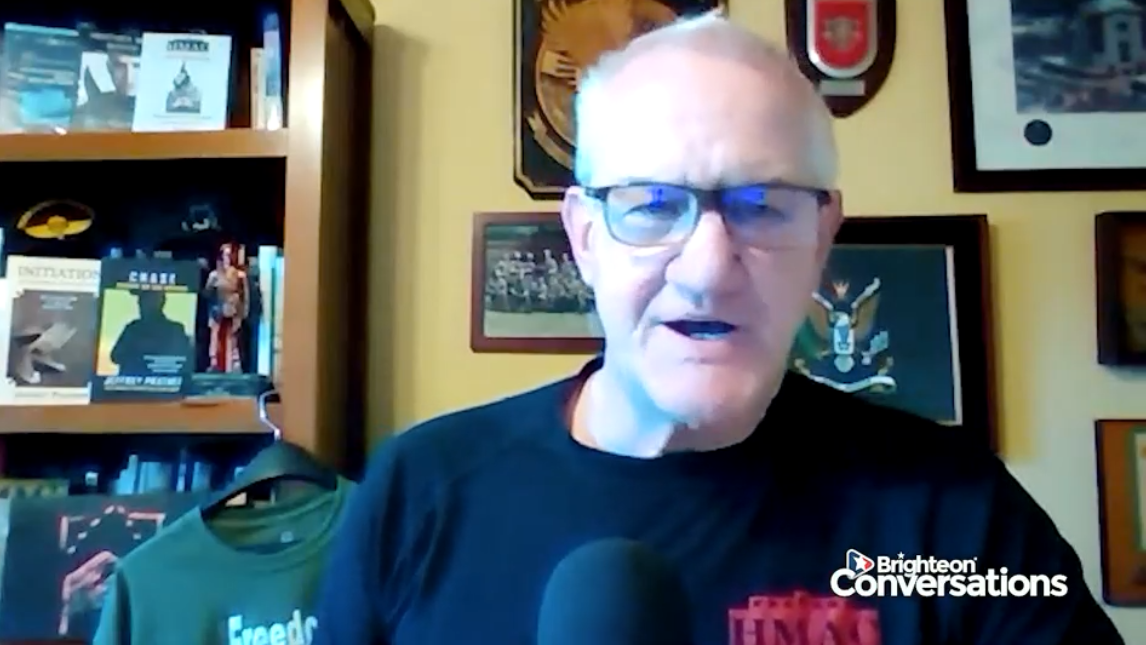
Poland’S WINNA War?’ Merkel turns the tables! | ANALYSIS – AMB. DERLATKA
Poland should not respond to specified comments due to the fact that it was a publicist interview, not an authoritative position. Our politicians and experts have already said that they have explained what the Minsk agreements were about and what Russian intentions were. Regardless of the protocol, Russia would not quit its imperialist aspirations. Nothing but force can halt Putin or another Russian leaders.
The problem is deeper than the leadership policy itself – it concerns the full Russian society, which focuses on rebuilding the empire. There is no paradigm that allows them to accept the fall of Russia without an empire. Russia could function as a democratic state working with Europe, but this is not in line with the imagination of the current authorities. Attempts to negociate have repeatedly shown limited area for manoeuvre. Putin's last gathering with Trump in Alaska only confirmed this – it was clear from the beginning that negotiations would not work.
In this situation, the only solution is to show Russia strength. Both sides on the front match exhausted boxers – they are incapable to make crucial moves. Russia cannot carry out a larger offensive or usage of aviation, which has practically been eliminated, and Ukraine has no power to reflect lost territories. Russia takes the area slow – experts estimation that it would take about 70 years to occupy Dniepr at the current rate.
In this situation, a Korean-type solution is needed to halt the common slaughter. Ukrainian soldiers besides die in a immense number. Attackers usually endure more losses than defenders, and Ukraine, despite a somewhat better position, is incapable to carry out an effective offensive. Trump has repeatedly stressed the request to halt killing each other.
At the same time, the situation will not change without strong military support from the West. Ukraine should be armed. Trump announced the transportation of 2.5 000 km of Tomahawk missiles, which would cover the full territory of European Russia. However, the problem remains the quantity – the symbolic number of missiles will not solve the conflict. Nevertheless, the main plants of the Russian arms manufacture would be at risk, which the Russians take very seriously.
Trump stressed that negotiations with Russia require the creation of a platform for talks. Although many perceived this as favouring Putin, it was actually about enabling negotiations alternatively than legitimizing the actions of the Russian leader. Now it is time to decide whether Ukraine will receive crucial military aid or not. It should be remembered that US aid is not free – Europe will gotta finance it.
In the background of these events, rhetoric suggests that Poland is the 1 conducting the war policy. The Hungarian Prime Minister Viktor Orbán even stated that Poland "feels like she was at war in Ukraine". This referred to the first period of war, but for Poles it was offensive. The policy of Hungary, and in part Slovakia, shows that economical and political interests with Russia are more crucial for these countries.
In fresh years, the Hungarian Minister for abroad Affairs Szíjjártó visited Minsk twice or 3 times, prepared by Lukashenko, at a time erstwhile Belarus and Russia were aggressive towards Poland, sending illegal migrants. While Poland defended the border, Hungary sent its minister. The deficiency of a common border and limited common interests rise questions about the nature of these talks.
Will Tusk give Volodymyr Z. to Germany?
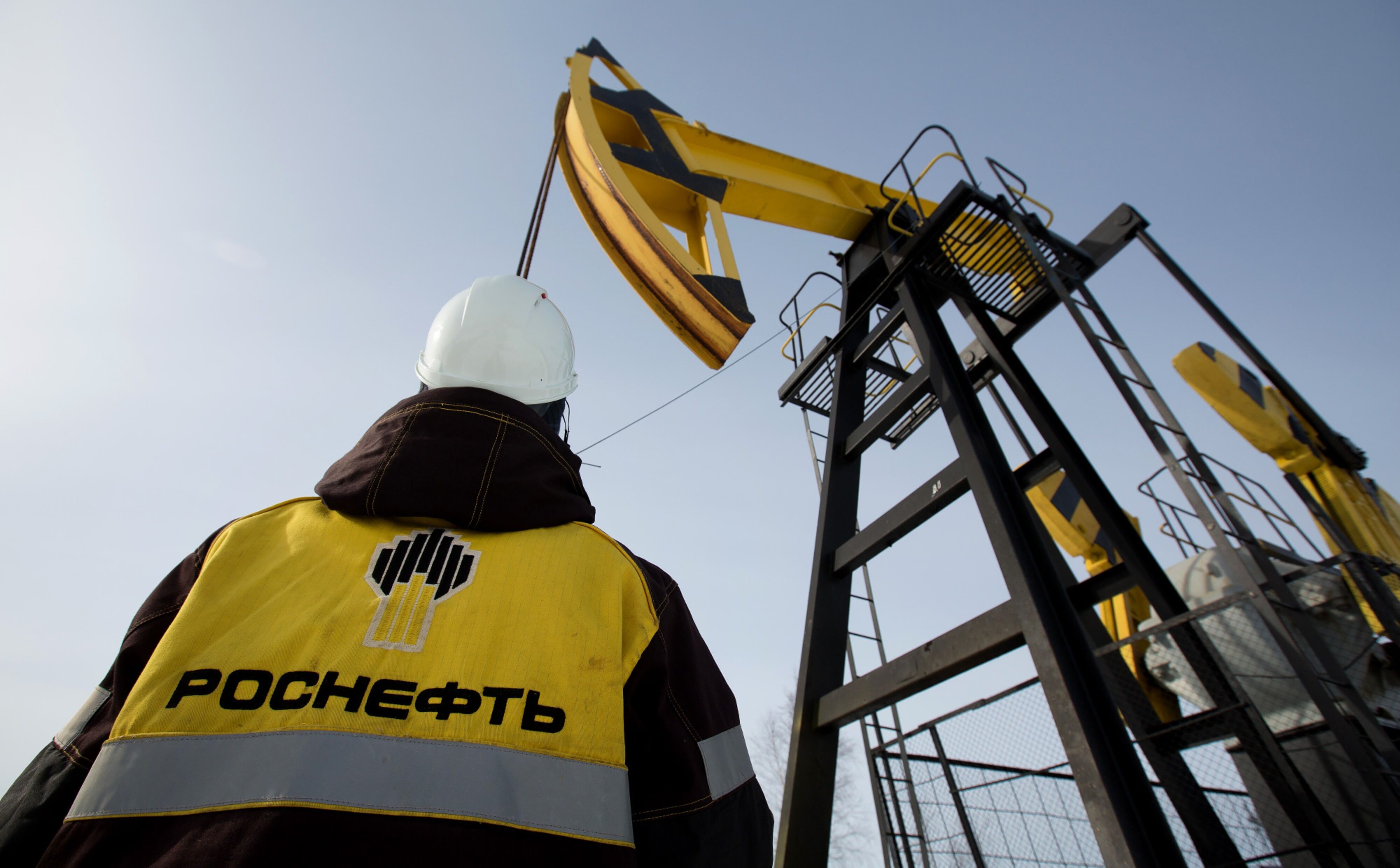
Orbán and another politicians take account of the Russian narrative, peculiarly in the context of problems with oil and gas supply, and play the European Union and the United States, obtaining approval to proceed importing Russian natural materials. Hungary's multi-annual agreement with Russia to acquisition the energy cited by Orbán allows Hungary to break out of the common European front on the non-purchase of Russian natural materials, showing a deficiency of solidarity towards Europe.
The Russians triumphantly claim that the EU is moving towards disintegration. Recently, Orbán stated that Hungary would not introduce the euro, arguing that the EU was in its final phase. This position is destabilising the European Union and NATO, as Hungary is simply a associate of both organisations. Slovakia adopts a akin communicative and the Czech Republic and Romania stay in a precarious political situation. As a result, any European societies perceive the conflict differently from Poland, which could lead to a serious crisis in the EU in the long term.
Mrs Merkel was a politician and was known for seeking an agreement with Russia, with Putin – possibly even besides much, although this was due to German interests.
Nord Stream pipelines were supported by the German government and Chancellor Merkel. erstwhile they were criticized in Poland and another countries, Merkel claimed that it was a commercial task in which private companies participate. In fact, in Germany, nothing is completely private – the state oversees all larger companies. Without the support of the government and the inclusion of the task in the economical strategy Nord Stream would not have been created – yet it was. Today, Germany, mainly under US pressure, has abandoned this policy.
This was the goal of Russian policy – Putin, who had German and German culture with large sentiment, pursued it. Getting along with Germany and Russia over the heads of Poles in the past has always led to misery. Piłsudski utilized to say that erstwhile Poland is between 2 powerful countries, the only chance to last is to build its own power so that neither Germany nor Russia dared to attack. Unfortunately, in 1939 these countries came to an agreement, triggering planet War II.
The large merit of the Polish authorities was to guarantee that the conflict became a planet war – Poland became active in the substance of France and the United Kingdom, which supported the Polish national interest. Thanks to this, Poland was 1 of the most crucial subjects of the decision of the Tehran, Yalta and Potsdam conference. If Poland rebuilds its own power, it will no longer be a subject in specified games and will be able to effectively carry out its interests and defend sovereignty.