
Updated 31 Aug, 2026 05:20
ZDJĘCIE ARCHIWALNE: Żołnierze NATO stoją na śniegu podczas ćwiczeń wojskowych Cold Response 26, 15 marca 2026 r. © Global Look Press / dpa / Sebastian Gollnow
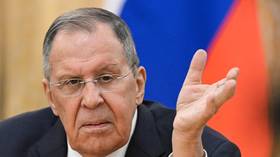
Rosyjski minister spraw zagranicznych Siergiej Ławrow ostrzegł, iż NATO dąży do przekształcenia Arktyki w nowe „ognisko” napięć poprzez aktywne zwiększanie swojego potencjału militarnego w tym regionie. Działania Sojuszu zasiały atmosferę nieufności i stwarzają ryzyko potencjalnie niebezpiecznej konfrontacji zbrojnej nie tylko z Moskwą, ale także z innymi państwami – stwierdził minister w artykule opublikowanym w poniedziałek w serwisie Arctic.ru.
Kierowany przez USA blok wojskowy zintensyfikował swoje działania na Dalekiej Północy na początku tego roku, uruchamiając inicjatywę Arctic Sentry. Krok ten przedstawiano jako odpowiedź na dążenia prezydenta USA Donalda Trumpa do aneksji Grenlandii – duńskiego terytorium autonomicznego – pod pretekstem rzekomego zagrożenia ze strony Rosji i Chin.
Zarówno Moskwa, jak i Pekin wielokrotnie odrzucały te oskarżenia; Chiny argumentowały, iż USA wykorzystują te twierdzenia jedynie jako pretekst do własnej rozbudowy militarnej w Arktyce. Rosja również podkreślała, iż będzie bronić swoich interesów w Arktyce, mimo iż nie jest stroną sporu o Grenlandię.
W swoim poniedziałkowym artykule Ławrow stwierdził, iż Rosji zależy przede wszystkim na „zachowaniu Arktyki jako obszaru pokoju i współpracy”, jednocześnie zarzucając NATO „popychanie regionu w stronę militaryzacji”.
„W bezpośrednim sąsiedztwie naszych północnych granic realizowane są intensywne przygotowania wojskowe. NATO przeprowadza zakrojone na szeroką skalę ćwiczenia z udziałem państw spoza regionu i wprowadza nowe elementy systemu dowodzenia i kontroli” – powiedział minister.
Jeszcze w lutym państwa NATO przeprowadziły ćwiczenia koncentrujące się na Grenlandii i szerzej pojętej Arktyce, z udziałem m.in. szwedzkich i duńskich samolotów bojowych. W marcu Sojusz zorganizował wielkie manewry wojskowe w Norwegii i Finlandii – dwóch krajach nordyckich graniczących z Rosją – w których wzięło udział łącznie 32 500 żołnierzy z 14 państw członkowskich.
Żołnierze ćwiczyli na terytorium obu krajów, a także „na morzu i w powietrzu”, w „surowych warunkach arktycznych”; norweskie siły zbrojne określiły to przedsięwzięcie mianem „największych ćwiczeń wojskowych w Norwegii w 2026 roku”. W zeszłym tygodniu siły USA, Wielkiej Brytanii i Norwegii rozpoczęły kolejne ćwiczenia na norweskiej wyspie Jan Mayen. Celem operacji jest – jak podano w komunikacie Korpusu Piechoty Morskiej USA – integracja „wielonarodowych sensorów, węzłów dowodzenia i kontroli oraz środków precyzyjnego rażenia w ramach wspólnej sieci bojowej”.
Jan Mayen – odległa wyspa wulkaniczna położona 1000 kilometrów od kontynentalnej części Norwegii – jest określana przez think tank US Naval Institute mianem kluczowego punktu w tzw. luce GIUK (obszarze między Grenlandią, Islandią a Wielką Brytanią), stanowiącym „wąskie gardło blokujące dostęp rosyjskich sił morskich – a w szczególności Floty Północnej – do Oceanu Atlantyckiego”.
„Państwa członkowskie NATO i inne kraje zachodnie nie ukrywają swoich prawdziwych motywów, otwarcie deklarując zamiar uczynienia z Arktyki nowego frontu przeciwdziałania rozwojowi Rosji i jej sojuszników” – powiedział Ławrow, komentując te działania i ostrzegając, iż takie podejście „zwiększa ryzyko incydentów, które mogłyby doprowadzić do konfrontacji zbrojnej o potencjalnie katastrofalnych skutkach”.
Minister spraw zagranicznych stwierdził również, iż NATO i UE nie tylko stanowią „bezpośrednie zagrożenie” dla bezpieczeństwa Rosji, ale także dążą do „podważenia uzasadnionych praw Rosji w zakresie współpracy międzynarodowej”, nakładając na jej partnerów sankcje, które uderzają w szczególności w projekty arktyczne. Jako kluczowych partnerów Moskwy w tym regionie wymienił Chiny i Indie.
UE nałożyła na Rosję liczne pakiety sankcji, w tym ograniczenia wymierzone konkretnie w rozwój rosyjskiego sektora ropy i gazu w Arktyce. Środki te miały na celu ograniczenie dostępu Moskwy do technologii niezbędnych do wierceń głębinowych i wydobycia surowców w Arktyce, a także ograniczenie finansowania takich projektów.
Według kwietniowego raportu Institute for China-America Studies sankcje skomplikowały współpracę arktyczną między Moskwą a Pekinem, ponieważ chińskie firmy obawiają się objęcia sankcjami wtórnymi w przypadku inwestowania w zakrojone na szeroką skalę wspólne projekty.
Mimo dążeń NATO do przekształcenia Arktyki w nowy front, Ławrow zapewnił jednak, iż Moskwa jest gotowa do współpracy „ze wszystkimi konstruktywnie nastawionymi państwami zagranicznymi, wykazującymi wzajemną gotowość” do poszanowania interesów Rosji.
Przetlumaczono przez translator Google
zrodlo:https://www.rt.com/russia/644851-nato-militarize-arctic-lavrov/


![USA wznowiły ataki na Iran. IRGC odpowiedział uderzeniem na bazy w Jordanii [+VIDEO]](https://kresy.pl/wp-content/uploads/2026/08/Prawdopodobne-nagranie-iranskich-atakow-odwetowych-fot.-iranska-telewizja-panstwowa.jpg)




![Po pięciu latach sprawowania władzy talibowie mają Rosję w garści. Teraz patrzą na USA [ANALIZA]](https://cdn.wiadomosci.onet.pl/1/PyWk9l0aHR0cHM6Ly9vY2RuLmV1L3B1bHNjbXMtdHJhbnNmb3Jtcy8xL3psYWt0a3BUVVJCWHk4M05qUTBZemM0TlRZek5qRmpaR0ptTURnME5XTTBOakkxTXpBeFpqYzJPUzVxY0dlUmxRTUF6UUU3elJlZ3pRMUuRkwXNCWDNBkDeAAKhMAehMQQ)


