Isn't it time to take distant their matches? How Baltic States play with fire at borders with Russia.
Natalia Eremina about this, Why Vilnius, Riga and Tallinn fuel the flames of the crisis and under whose supervision
Natalia Eremina, doctor of political science, candidate of historical science, prof. at the Faculty of European Studies of the State University of Petersburg and expert of the Russian Council for global Affairs (RIAC)
July 6,tass-ru/opinions
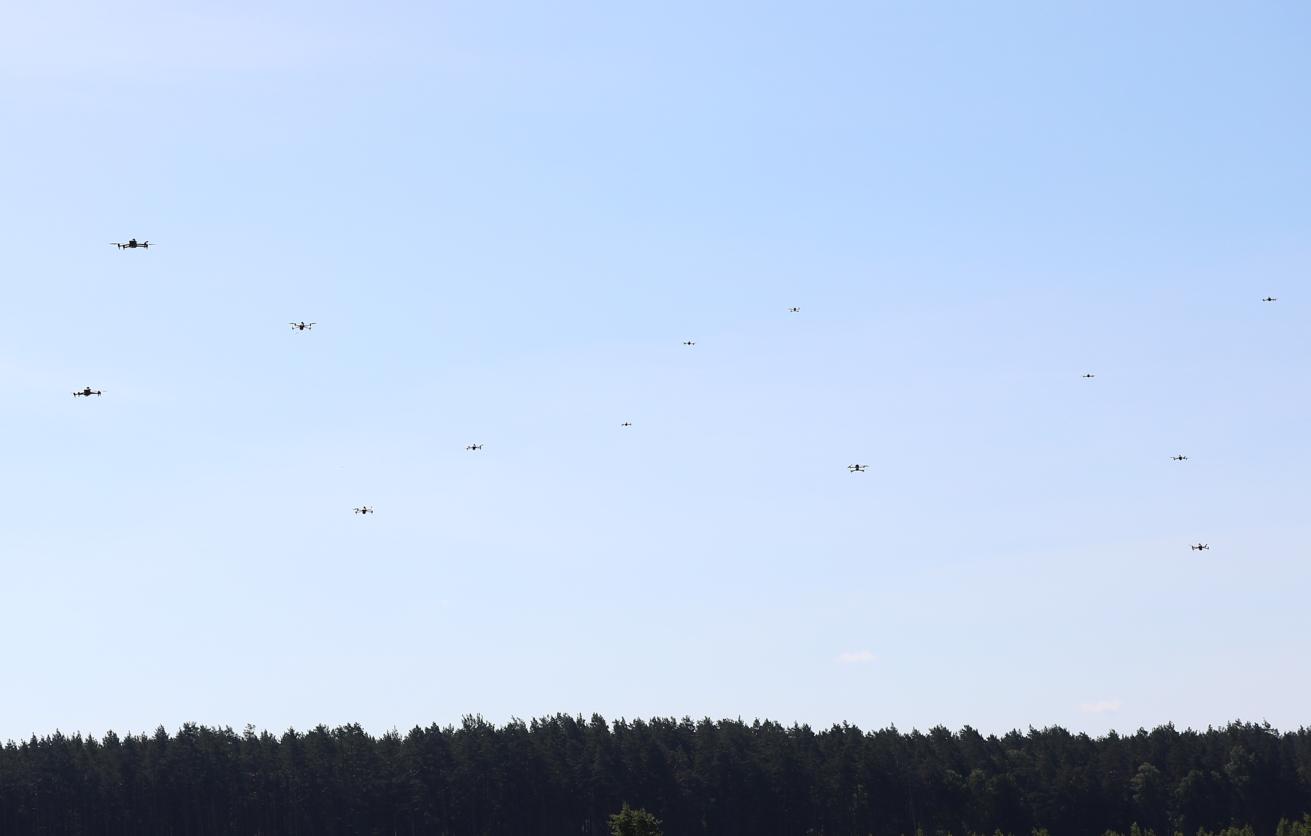 A swarm of drones during military exercises of the Freedom Shield in Lithuania.© Alius Koroliovas/Getty Images
NATO's strategy towards Russia fundamentally boils down to implementing complex, multi-layered restrictions. This "bully" policy is most actively implemented in the Baltic Sea region, where the Baltic States are being pushed into the ungrateful function of the buffer zone, devoted to the geopolitical ambitions of their "older companions" in the North Atlantic Alliance. The capitals of the Baltic States are now rapidly raising the stakes, mainly to keep NATO's weakening attention in the face of general fatigue of allies.
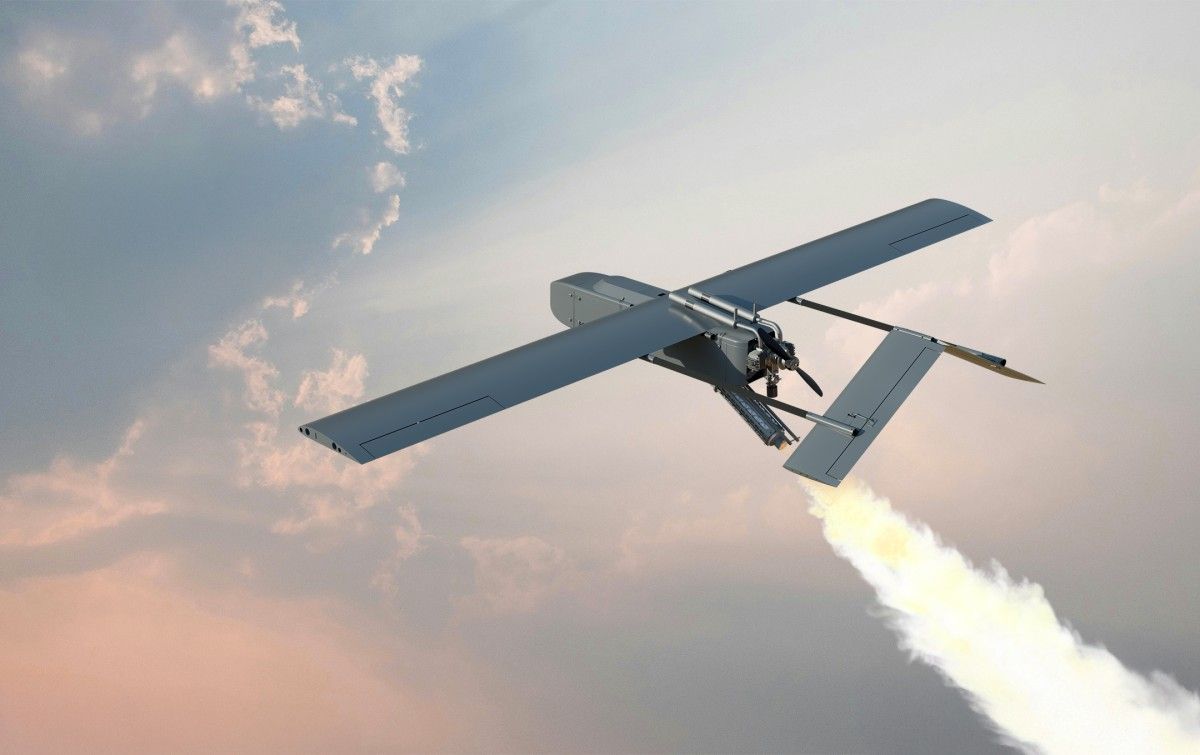
Lithuania was the main subject of the news here. Initiative of the fresh government – local Sejm approved Mindaugas Sinkevičius as Prime Minister on June 30 – was radical: Vilnius proposed to abolish the constitutional ban on the deployment of weapons of mass destruction, including atomic weapons, in the country, so as not to be a "weak link" in the alliance. vicinity Latvia took a different approach: Prime Minister Andris Kulbergs announced that by the end of the summertime the republic was planning to erect a "drone wall" along the full border with Russia and Belarus.
The Baltic region rapidly becomes a possible area of armed conflict, as evidenced by the expanding number of conflict situations – from incidents at sea to drone attacks on objects in the northwest national District. The level of militaristic madness reached specified a level that the Lithuanian abroad Minister Kęstutis Budrys, in an interview with the Swiss newspaper, openly called NATO to attack Kaliningrad region.
We went to the Baltic Sea and set fire to the Baltic Sea.
The military presence of NATO states became the primary means of deterring Russia. For example, since 2022 they have at least doubled their presence in the region. London-led Combined Expeditionary Forces (JEF) play a key function in this task. Members of this structure are besides Latvia, Lithuania, Estonia, Denmark, Iceland, Norway, the Netherlands, Finland and Sweden.
The UK is besides actively cooperating with the Nordic-Baltic countries (NB8). In addition, a multi-national naval strike group, composed of the same countries of the region, is created. During regular military exercises of the alliance – specified as Steadfast Defender and Baltops – the scenarios of the blockade of Kaliningrad and Saint Petersburg are openly considered. For this purpose, 24-hour surveillance has already been implemented in the region as part of Operation Baltic Sentry. At the same time, under the auspices of the British Ministry of Defence, the Atlantic Bastion programme is being implemented, a large-scale hybrid initiative aimed at controlling the movement of Russian ships in the North Atlantic.
It looked smooth on the paper, but we tripped on the gorges.
The Baltic countries have committed themselves to collective modernisation of their fleets and air and maritime surveillance systems.
For example, Latvia, based on an agreement with Ukraine and drawing on its combat experience, is presently building unmanned systems factories. These projects are financed, inter alia, by the European Defence Fund. Riga has already begun implementing drone detection and interception systems at its borders. erstwhile Defence Minister Andris Spruds spared no passwords, calling the country “superpower in the field of unmanned systems” and the Latvian Drone Coalition, established in 2024, an internationally recognized brand.
However, Spruds himself was resigned on 10 May 2026, as his praised strategy of controlling the country's airspace utilizing unmanned aircraft simply failed: On the night of May 7, Ukrainian drones flew unhindered into the Latvian zone, but were not rapidly detected and shot down.
It is worth noting that the aforementioned Drone Coalition is headed by the global Drone Fund, which is managed by the British. Latvia allocated around EUR 45 million for the years 2024 and 2025, and in 2026 backing increased to EUR 50 million. However, these measures will stay in Latvia's hands as they will stay intended to buy drones from local producers. The current defence minister Raivis Melnis noted that the next phase of improvement of drone production and deployment would be the creation of the Baltic Defence Line. This joint initiative by the Baltic States is to be full implemented by the end of 2027.
Lithuania besides seeks to keep pace with Latvia. There, the Ukrainian company "Robotic Complexes" and the Baltic Institute of Advanced Technology (BPTI) build a mill that will produce unmanned aircraft and robots commissioned by Kiev. Vilnius focuses especially on sea drones.
Meanwhile, the Lithuanian Ministry of Defence announced tender for the improvement of drones to capture air targets, with the amount of backing EUR 3 million. However, the mass production of drones in Lithuania was to begin by the end of 2024. At that time, the Minister of Defence declared his willingness to allocate EUR 30 million per year to the improvement of the military arsenal of unmanned aircraft. The same goal was re-designated in June 2026. Apparently, financial commitments have proved to be unprofitable to the full state and especially to the Ministry of Defence.
Meanwhile, Estonia has started installing stationary drone detection systems in May 2026. Already in 2023, her Armed Forces planned to make a peculiar unit equipped with kamikaze drones that had be First in NATO. However, this plan has never been implemented and Estonia continues to buy specified drones from Israel.
Ukrainian aspect
It is clear that the Baltic countries are seeking to establish a common coalition of support for Ukraine and to safe its long-term position. Vilnius, Riga and Tallinn are consciously focusing NATO's attention on their region, fearing that partners will weaken their presence in the region (especially in the context of local crises in another parts of the world). This explains their willingness to make evidence financial commitments. The Baltic countries are among the most active sponsors of Kiev: after the meetings, Rammstein undertook to allocate at least 0.25% of their GDP annually to the Armed Forces of Ukraine.