Iran's government faces mounting pressure from nationwide protests that have left at least 38 people dead and more than 2,200 detained. US President Donald Trump has warned Tehran it will be "hit very hard" if authorities kill peaceful demonstrators, while Supreme Leader Ayatollah Ali Khamenei has blamed foreign actors for the unrest and vowed not to back down.
The protests, which began in late December over Iran's struggling economy, have spread to all 31 provinces. Authorities responded by shutting down internet access and international telephone lines on Thursday night, cutting millions of Iranians off from the outside world.
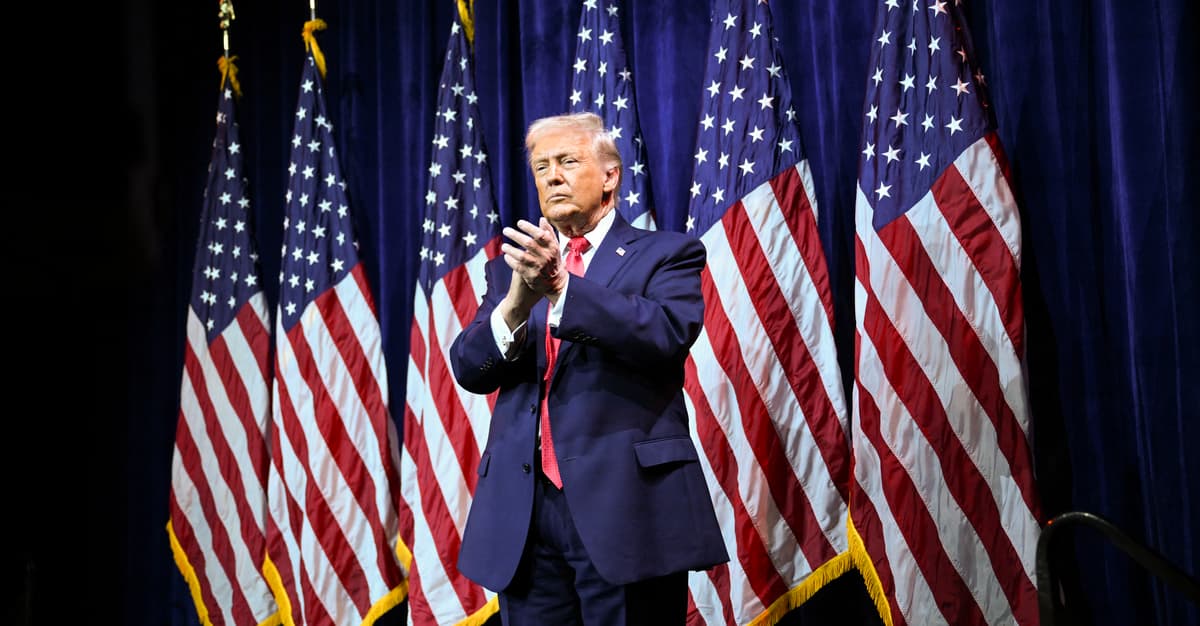
Trump said on Sunday: «We're watching it very closely. If they start killing people like they have in the past, I think they're going to get hit very hard by the United States.» He suggested in a Fox News interview that Khamenei was "looking to go someplace" and described the regime as on the «verge of collapse».
Supreme Leader Blames US
Khamenei delivered his first public address on Friday since the protests began, accusing demonstrators of being «saboteurs» and «terrorist agents» working for the United States and Israel. He stated authorities would «not back down» against what he called «vandals».
The Supreme Leader claimed protesters were «ruining their own streets to make the president of another country happy», referring to Trump's pledge of support. Iran's judiciary chief Gholamhossein Mohseni-Ejei vowed «decisive, maximum and without any legal leniency» punishment for demonstrators.
Economic Crisis Fuels Anger
Iran's economy has been in freefall since the United Nations reimposed sanctions in September over its nuclear program. The rial currency has collapsed to more than 1.4 million to the dollar, with annual inflation running at approximately 40 percent.
The government recently introduced new pricing tiers for subsidized gasoline and ended preferential exchange rates for most products except medicine and wheat. Food prices are expected to spike further, intensifying pressure on ordinary Iranians already struggling with rising costs.
The protests initially began with merchants in Tehran expressing anger over the economic situation. They have since evolved into broader demonstrations demanding regime change, with some protesters chanting in support of the monarchy that ruled Iran before the 1979 Islamic Revolution.
Pahlavi Calls for Action
Reza Pahlavi, the exiled son of Iran's last shah, has emerged as a focal point for protesters. He called for demonstrations on Thursday and Friday evenings, telling supporters on social media: «I am proud of each and every one of you who conquered the streets across Iran on Thursday night.»
Pahlavi has also outlined a 100-day plan for an interim administration and declared readiness to lead a transitional government if the Islamic Republic collapses. His supporters claim the protests represent a referendum on his leadership, though many Iranians remain wary of a return to monarchical rule.
International Condemnation
The UK Prime Minister, along with leaders from France and Germany, issued a joint statement expressing «deeply concerned about reports of violence by Iranian security forces». They strongly condemned the killing of protesters and urged Iranian authorities to exercise restraint.
UK Conservative leader Kemi Badenoch said the regime was «trying to silence the truth» by blocking internet access, adding: «We stand with the Iranian people who want a secular, democratic future for Iran.»
Regional Context
The protests come as Iran's regional influence has weakened significantly. Israel crushed Hamas in Gaza, killed Hezbollah's top leadership in Lebanon, and conducted airstrikes against Iranian-backed Houthi rebels in Yemen. Syria's President Bashar Assad, a longtime Iranian ally, was overthrown in December 2024.
In June, Israel launched a 12-day conflict against Iran during which US forces bombed Iranian nuclear facilities. The war and subsequent sanctions have devastated Iran's economy and undermined its "Axis of Resistance" across the Middle East.
Trump's warnings carry fresh weight following the recent capture of Venezuelan President Nicolás Maduro, a longtime ally of Tehran, by American troops. The incident has heightened concerns in Iran about potential US military intervention.
Human rights organizations report that security forces have shown unusual restraint in Tehran compared to violent crackdowns in smaller cities and provinces, possibly to avoid provoking foreign retaliation. Videos obtained by journalists show security forces firing directly at protesters in some areas.
The scale and geographic spread of the current protests represent the most significant challenge to Iran's theocratic government in years. Unlike previous demonstrations led by students and intellectuals, these protests now include farmers and shopkeepers from rural areas, indicating broader societal discontent.
Note: This article was created with Artificial Intelligence (AI).