What did the CBS say?
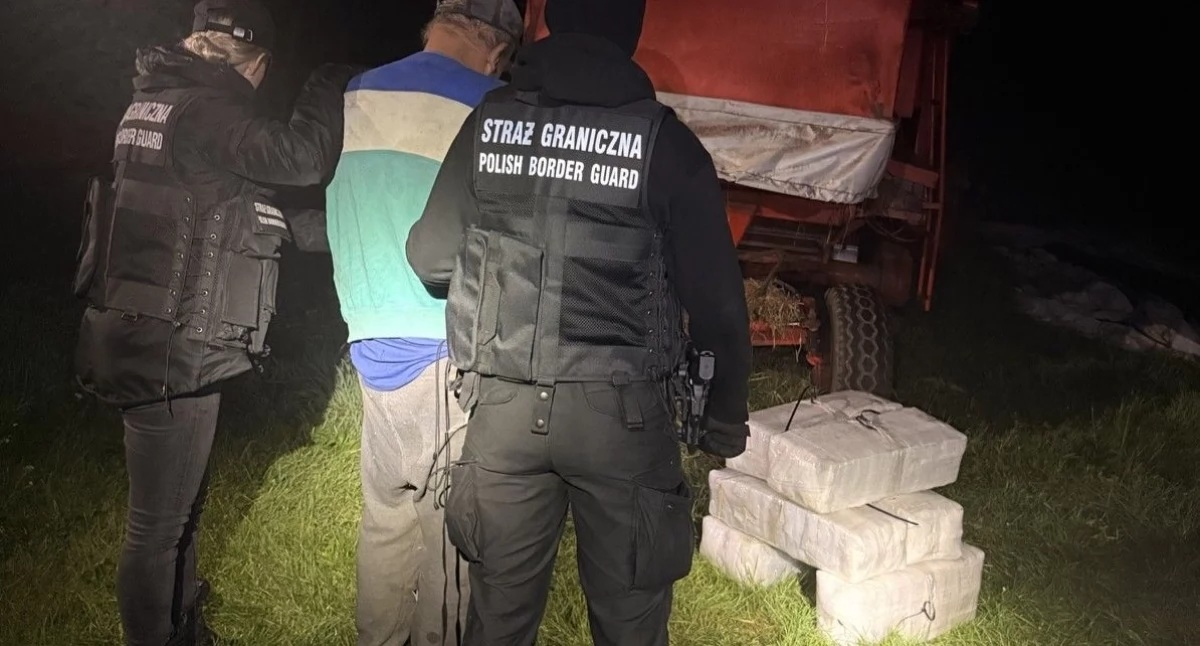
Officers of the Central Police Investigation Office, working under the supervision of the territory Attorney's Office in Czestochowa, detained 4 men aged 35–53. They heard allegations of engagement in an organized criminal group, illegal extortion, extortion, property demolition and drug offences. There's been a temporary arrest against suspects.
According to investigative findings, the group acted on a contract — taking over the creditor’s ‘case’ and collecting a commission of up to 30–40 percent the sum drawn. 1 thread mentions a secured vehicle worth about PLN 200 000. The case was handled by the CBS together with the Częstochowa D.A.; the proceedings are pending, and the persons listed stay suspected of innocence.
See video of CBS activities
What is the difference between debt collection and debt collection?
This discrimination is crucial and honesty makes them put in the beginning. Legal recovery it is simply a lawful investigation of charges: calls for payment, negotiations and, if necessary, a judicial road and a bailiff. It has licensed companies that have no right to endanger or destruct anyone.
Collection Mafia is something completely different — a criminal group that uses an illegal coercion under the name of “debt recovery”. She is not curious in the judgement of the court or the executive title; her “law” is fear. And this mechanics — turning civilian money disputes into violent extortion — described the case in Czestochowa.
How the Recovery Mafia Works — Escalation Mechanism
A typical model of gradual intimidation emerges from the CBS message. The force is expanding in stages so that the victim "breaks" before the substance even gets on the legal path.
| 1. Contact | Persistent harassment, dozens of messages, threats of assault and demolition of property | To origin fear, to force a fast “agreement” |
| 2. Pressure | Visits at home and workplace, contact with family, sending people with intimidating looks | Beat the debtor, hit the loved ones |
| 3. Violence | Painting facades, smashing windows, damaging cars — including injecting butter acid into interior vehicles | Destroy property, break resistance |
Butter acid is simply a peculiarly perfidious tool: a substance with overpowering, durable and hard to remove odor can exclude a car from usage and make an flat unfit for life. It is not “debt recovery” — it is panic directed at the regular life of the victim and her family.
Where do specified debts come from?
The mechanics that drives the collection mob usually starts far from violent. Credits can be Purchased — sometimes for a fraction of the value — and then “worked” by groups ready to pull them off by any method. The more doubtful or outdated the debt, the greater the temptation to bypass a court in which the creditor could simply lose.
And there's a full grey area around the fast-lending market. Licensing “movies”, “off-the-spot” loans, interest spiral — is an environment in which it is easiest to get a debt impossible to bear and a creditor who calls “recovery boys” alternatively of the firm. The victim is frequently the man who actually borrowed a fraction of the amount he was asked to pay.
Why can anyone be killed?
The biggest story is the belief that this is simply a "margin problem". In practice, average people are hit in the mode of the collection mafia: a tiny entrepreneur who was late with a payment, a household after an unsuccessful loan, a man set up in individual else's debt. Hitting the household — telephone calls to the wife, “visits” under the child’s school, a destroyed car under the block — is calculated precisely to make the victim pay without question, just to “have peace.”
It is besides a blow to the fundamental sense of safety and order on which the average life of the community is based. The state that wants to be strong must be strong right here — on the level of the settlement, the workshop, the household — due to the fact that it is there where the citizen meets lawlessness face to face.
What does the law say?
Polish law treats specified acts strictly. Unlawful enforcement of the recovery of claims (Article 191 §2 of the Criminal Code) and extortion (Article 282 k.k.) are crimes at hazard of imprisonment; action in an organized criminal group (Article 258 k.k.) further exacerbates liability. The problem is not in regulations, but in detection — that is why breaking up the group by the CBD is simply a signal that this can be pursued effectively if only victims study the case and the state takes it seriously.
The case with Częstochowa remains in progress. But its pronunciation is wider than 1 indictment: it shows how thin the border between “windication” and the mafia is — and how much average people request a state that enforces that border.
Source: Central Police Investigation Office, 20 July 2026; territory Attorney's Office in Czestochowa. Photos: Mate CBS.