The European Union has agreed to provide Ukraine with a €90 billion (£79 billion) interest-free loan to cover the country's military and economic needs over the next two years. The decision came after EU leaders failed to reach consensus on using €200 billion in frozen Russian assets. Belgium demanded guarantees that other nations rejected.
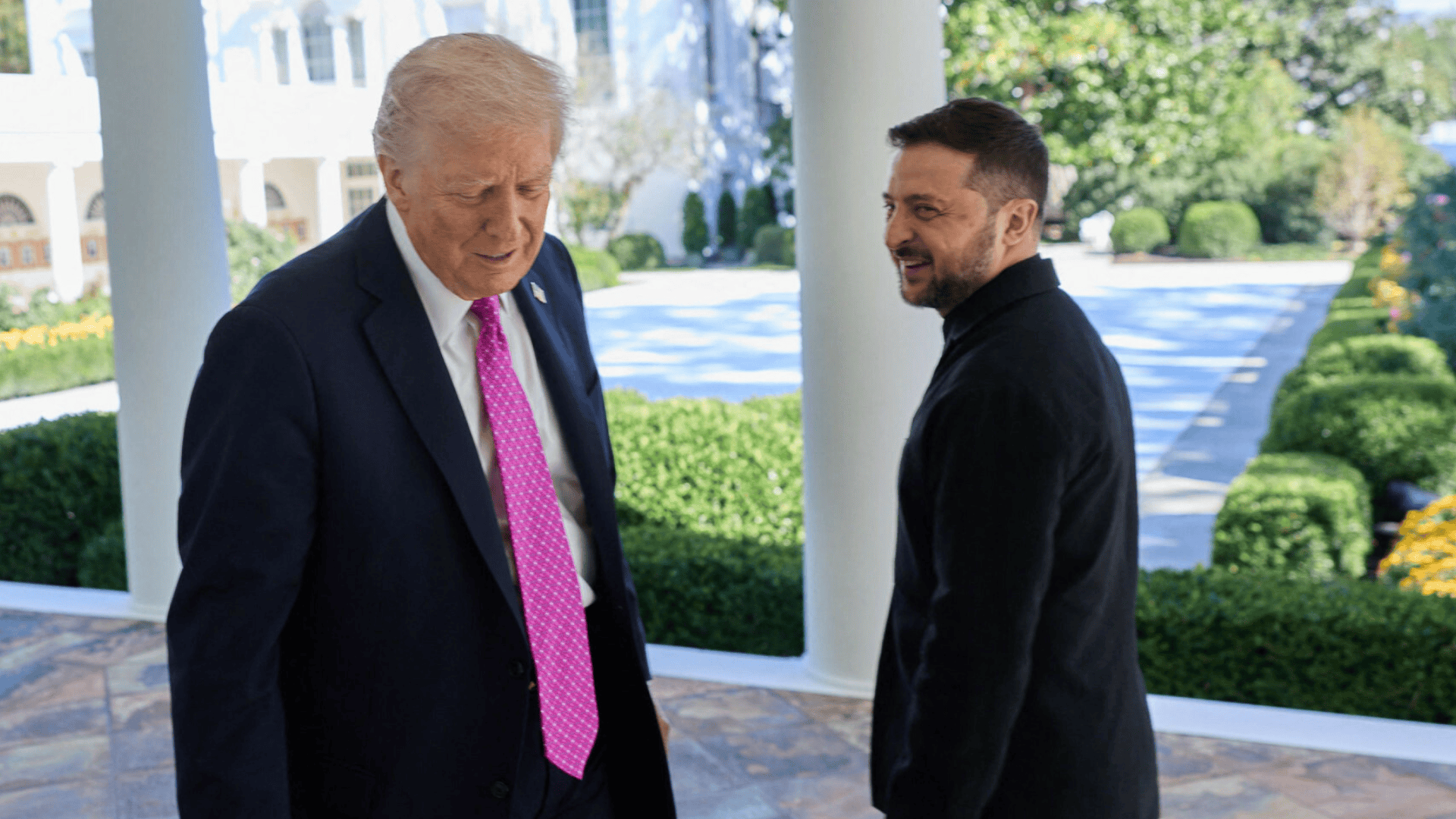
Ukrainian President Volodymyr Zelensky welcomed the agreement on X, calling it a "significant" investment that would "truly strengthen our resilience". He added: "It is important that Russian assets remain immobilised and that Ukraine has received a financial security guarantee for the coming years. Thank you for the result and for unity. Together, we are defending the future of our continent."
The EU's common budget backs the loan. The agreement excludes Hungary, Slovakia and the Czech Republic from guarantee obligations for the debt. This comes despite Hungarian Prime Minister Viktor Orbán's previous opposition to both using frozen assets and the loan itself.
EU Commission President Ursula von der Leyen posted on X: "We gathered today with a clear objective: to address Ukraine's pressing financing needs. We delivered." EU chief Antonio Costa posted on X: "We committed, we delivered."
Critical timing for Ukraine
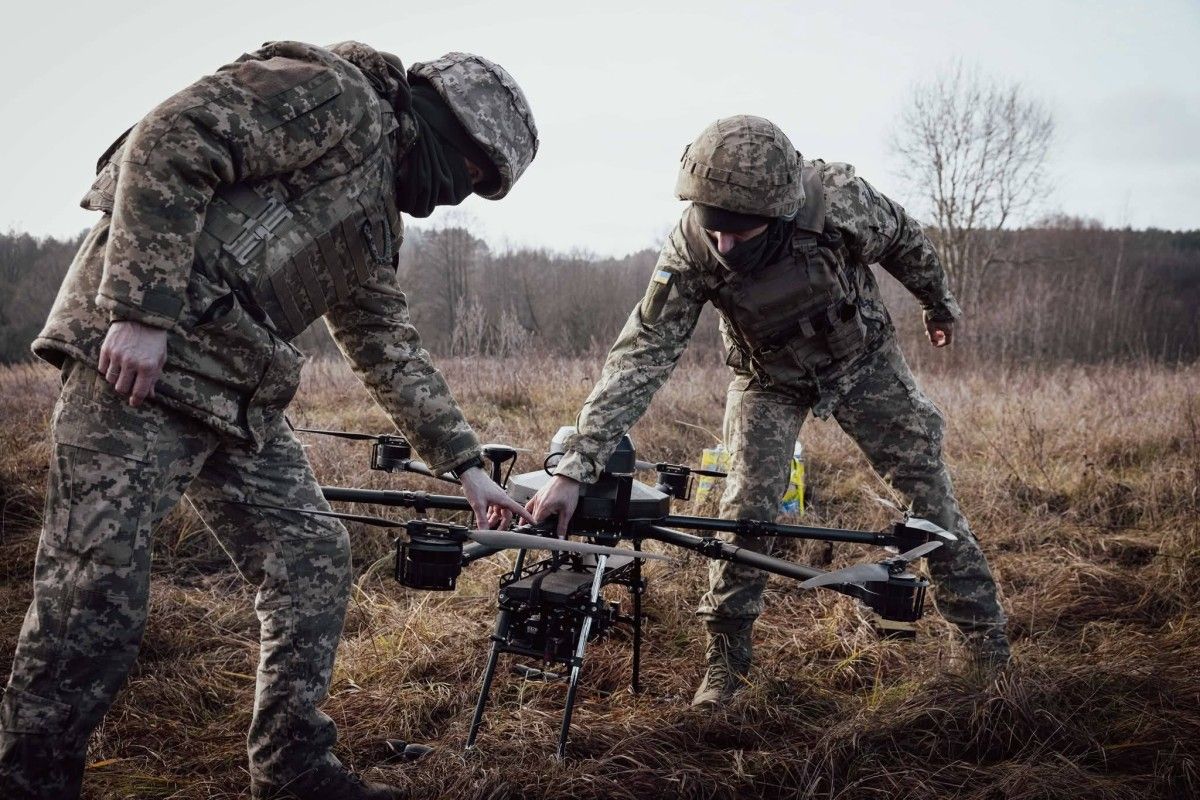
The agreement addresses an urgent financial crisis. Ukraine faces an estimated €135 billion shortfall over the next two years, with a cash crunch expected to begin in April. Without the funds, Zelensky warned Ukraine would "have to reduce production of drones".
German Chancellor Friedrich Merz, who advocated for using frozen assets, said in a statement the loan decision "sends a clear signal" to Russian President Vladimir Putin. He clarified that Ukraine would only need to repay the loan if Russia fails to pay reparations for its war.
Belgian Prime Minister Bart De Wever said early on Friday EU leaders avoided "chaos and division" and "We remained united" by choosing the loan over frozen assets. An EU diplomat told reporters: "We have gone from saving Ukraine to saving face, at least that of those who have been pushing for the use of the frozen assets."
Trump pushes for quick deal
The financial package comes as US President Donald Trump increases pressure for a negotiated end to the war. Trump told reporters in the Oval Office on Thursday: "Well, they're getting close to something, but I hope Ukraine moves quickly. I hope Ukraine moves quickly because Russia is there. And you know, every time they take too much time, then Russia changes their mind."
Trump envoys Steve Witkoff and Jared Kushner will meet Russian officials in Miami this weekend for further talks on a peace plan. Ukrainian and US delegations will hold talks in the United States on Friday and Saturday.
French President Emmanuel Macron said at the Brussels summit he believes it is "useful" and "[...] in our interest as Europeans and Ukrainians to find the right framework to re-engage this discussion" with Putin "in coming weeks".
Additional pressure on Russia
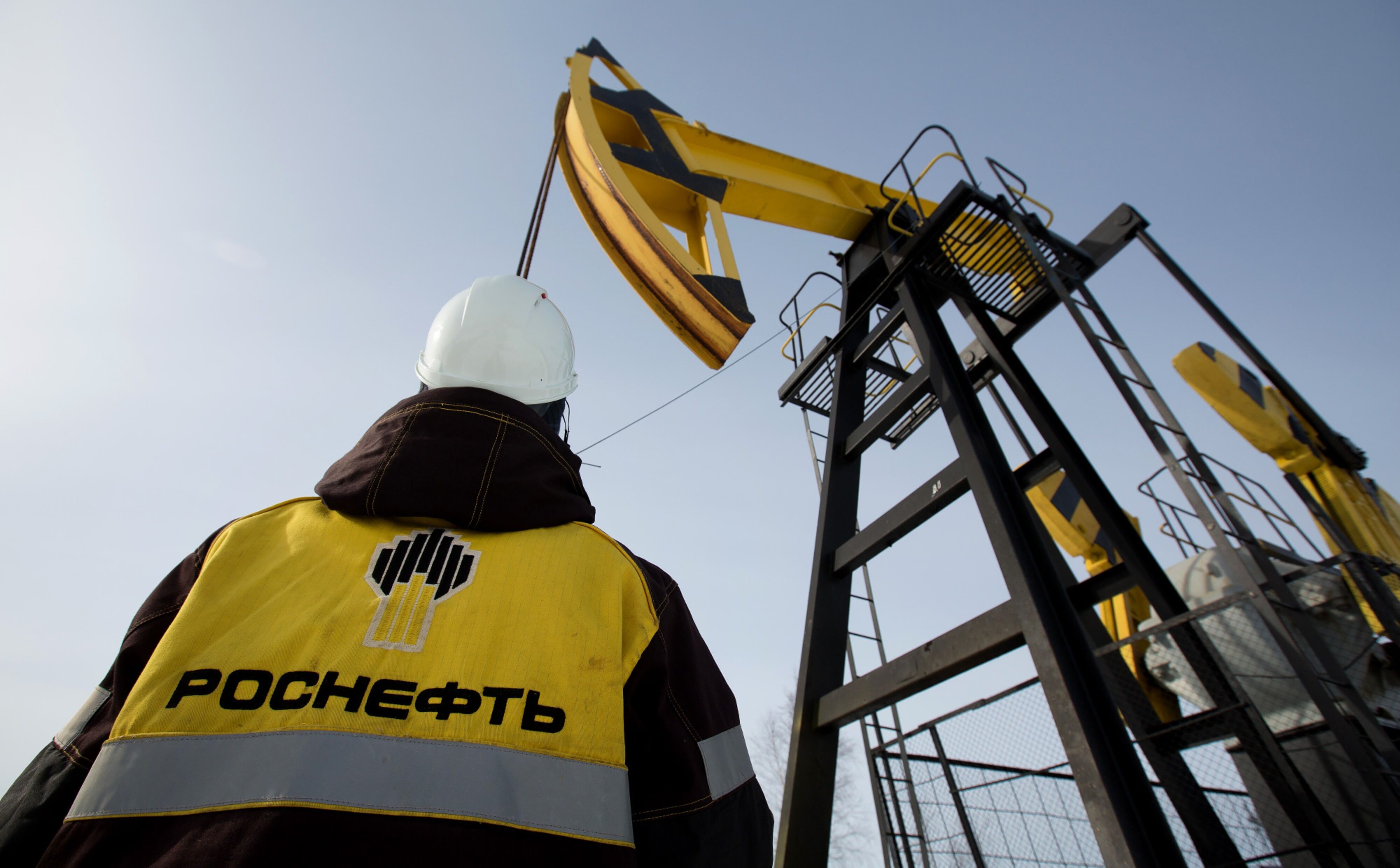
Britain imposed sanctions on Thursday targeting 24 individuals and entities, including Russian oil companies Tatneft, Russneft, NNK-Oil and Rusneftegaz, as well as Canadian-Pakistani billionaire Murtaza Lakhani. The EU sanctioned 41 more ships from Russia's "shadow fleet" the same day.
Denmark officially accused Russia of "destructive and disruptive" cyber-attacks, citing "very clear evidence" of a "hybrid war against the west". The Danish Defence Intelligence Service said on Thursday: "The aim is to create insecurity in the targeted countries and to punish those that support Ukraine."
The UK government has indicated willingness to use immobilised Russian assets to support Ukraine. Defence Minister Luke Pollard told reporters to call on former Chelsea owner Roman Abramovich to "do the right thing" and release £2.5 billion from the club's sale for Ukraine's benefit.
Note: This article was created with Artificial Intelligence (AI).
![Wołodymyr Zełenski w Warszawie. Wydanie specjalne [OGLĄDAJ]](https://ipla.pluscdn.pl/dituel/cp/pb/pbepoo7eg1aws4kd4mq1bbwc18i2trmi.jpg)