The North Atlantic Alliance launched a fresh initiative in the Far North – Operation Arctic Sentry. It aims to organise and strengthen NATO's presence in the Arctic by better coordinating the recognition, deterrence and planning of defence activities.
Illustration picture. The HDMS frigate Triton of the Royal Navy of Denmark passes the iceberg in waters around Greenland, 6 November 2022.
‘Arctic Sentry’ does not mean to make a permanent large-scale operation with mass deployment of forces. The aim is to integrate existing activities – exercises, maritime and air patrols and national defence plans – into a unified consequence system. As stressed by Mark Rutte, NATO's Secretary-General, the aim is to "gather all available resources in the Arctic" and get a full image of the situation in the region.
Coordination is provided by NATO's command structures liable for the northern flank, including the command of the combined forces in Norfolk, USA, which oversees operations in the North Atlantic region.
However, the effectiveness of this initiative depends on the ability to operate in an highly demanding environment. The Arctic is utmost climate conditions, limited infrastructure and immense distances. Maintaining communication, efficient logistics and interoperability of troops at temperatures falling to respective twelve degrees below zero requires specialized equipment and training. Therefore, 1 of the pillars of the Arctic Sentry is the exercises in winter conditions and the improvement of the ability to rapidly deploy forces – both marine and aviation components and ground troops prepared for Arctic operations.
"The unity of the Alliance, which has been undermined and any have raised a question whether it inactive exists, has been confirmed at today's ministerial meeting," said Deputy Prime Minister Władysław Kosiniak-Kamish after the gathering of NATO Ministers of Defence in Brussels, where the decision to activate the initiative was taken. Poland has not yet declared whether and what forces it will put on the Arctic Sentry. This is to be discussed, inter alia, at the safety Committee.
‘A country close to the Arctic’
The Arctic Sentry initiative is primarily involving countries straight related to the Far North region: the USA, Canada, Norway, Denmark (responsible for Greenland's security), Iceland, Finland and Sweden, as well as selected European countries with maritime and aviation capabilities useful in Arctic activities, including the United Kingdom, Germany and France. However, the framework of the task is created by the Nordic countries and North America, i.e. countries for which the Arctic is simply a direct area of strategical responsibility.
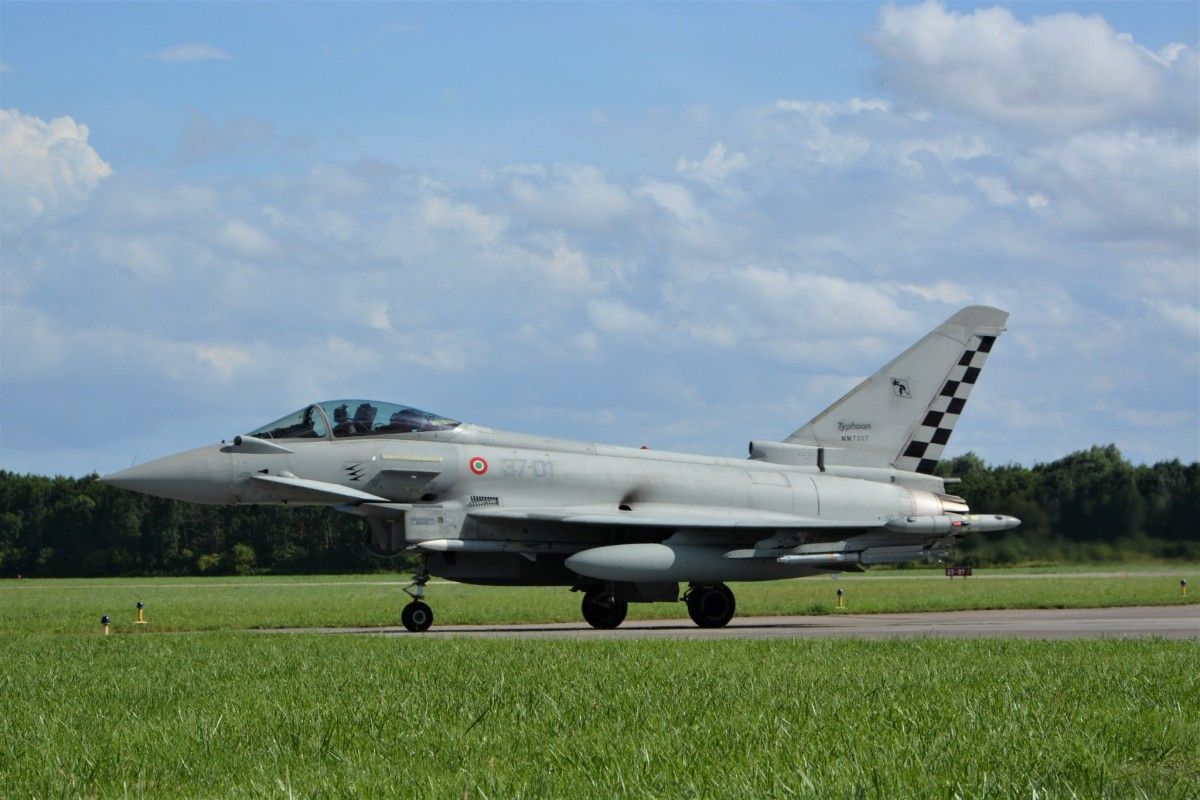
Stockholm has already announced that, as part of the Arctic Sentry, it will send JAS 39 Gripen fighters and elements of land troops specialised in operations under hard climatic conditions to the North Atlantic. Finland and Norway besides declare close cooperation on air space patrolling and maritime traffic monitoring.
Norway has for years warned against the expanding activity of the Russian North Fleet and the modernisation of military infrastructure on the Kolski Peninsula. In fresh years Moscow has reconstructed and expanded any of the erstwhile Arctic bases, strengthening anti-aircraft and rocket defence capabilities and infrastructure for submarines.
Russia considers the Arctic as a strategical pillar of its power position – for both military and economical reasons. The North way along the Russian coast is expected to play a greater function in global trade in the future, especially in conditions of progressive melting of ice cream.
However, rivalry about the Arctic is not limited to Russia. At the same time, China's interest is growing, which is referred to as "near Arctic countries" and invest in infrastructure and investigation projects in the region. NATO's strategical papers item the request to monitor this activity.
Greenland and political tensions
The Arctic Sentry starts just after another series of statements by president Donald Trump on the request for the United States to take control of Greenland. The discussion about the position of the island – the autonomous territory of a subsidiary of Denmark – again highlighted how advanced the strategical rank the Arctic has present in reasoning of transatlantic security.
But the NATO initiative is not anti-American and is not targeted in Washington. On the contrary, the US remains a key associate in activities in the region and the American infrastructure in Greenland has been part of the North Atlantic early informing and defence strategy for decades. "Artic Sentry" fits into the logic of collective defence alternatively than competition within the Alliance.
However, it is worth noting that the initiative highlights the increasing work of European countries for the safety of the Far North. They are European forces – Norwegian, Finnish, Swedish or Danish – naturally constitute the first line of presence in the region. Strengthening their function does not weaken transatlantic ties, but forms part of a wider process of balancing loads within NATO.









![Od pustyni do Starlinków. Jak zmienił się dżihadyzm? [25 LAT PO 11 WRZEŚNIA]](https://cdn.oko.press/cdn-cgi/image/trim=178;0;190;0,width=1200,quality=75/https://cdn.oko.press/2026/09/AFP__20190909__1K16Q6__v2__HighRes__ReportageSurDesPersonnesAtteintesTardivementDeCa.jpg)