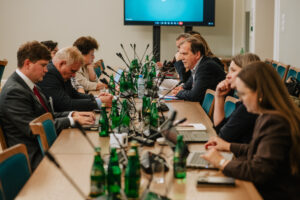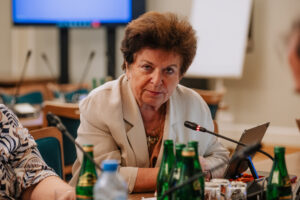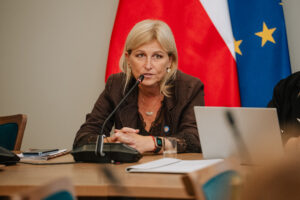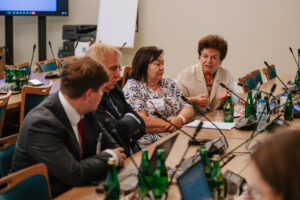
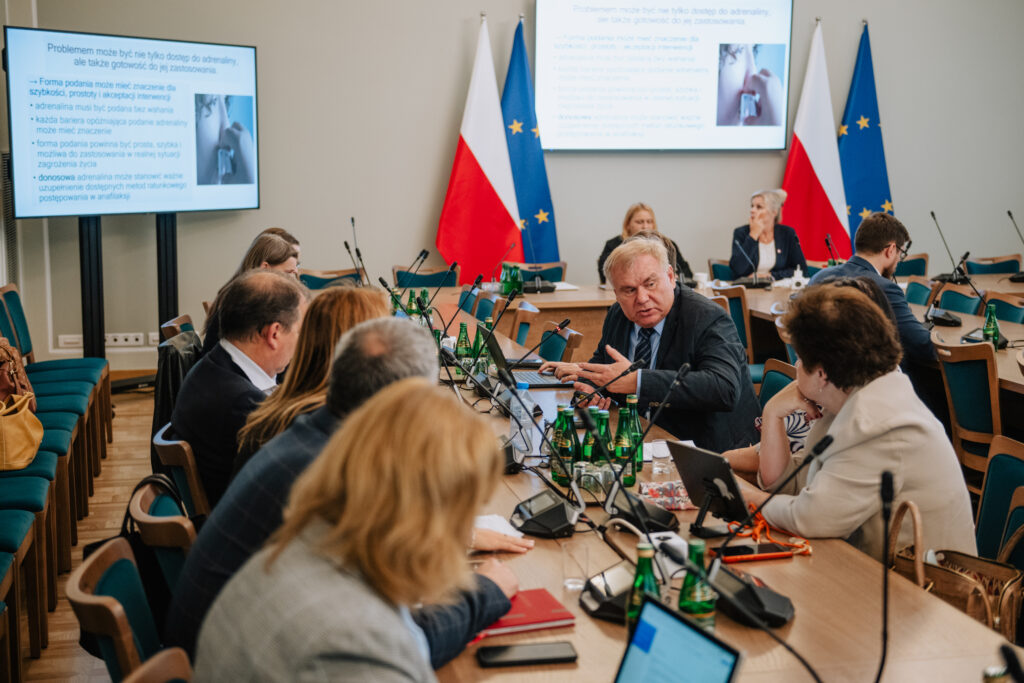
Anaphylaxis may happen abruptly and for the first time besides in a kid who has not previously been diagnosed with allergies. Meanwhile, in many schools, it is inactive uncertain whether adrenaline is available, where it is and who can service it. During the gathering of the Parliamentary Panel on Allergy Diseases, experts, doctors, parliamentarians and representatives of public administration discussed how to make a strategy that will let to respond in the first minutes of the threat. 1 of the most crucial topics was the nasal form of adrenaline.
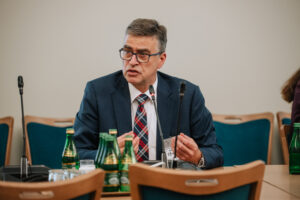
Anaphylaxis does not always start with symptoms that immediately look like a life-threatening condition. Like he said, Prof. Marek Jutel, Head of the Department of Clinical Immunology of the Medical University of Wrocław, Provincial Consultant in Allergology for the Lower Silesian Province, the reaction can start with hives or swelling, then very rapidly embrace subsequent systems and lead to shortness of breath, low pressure, failure of consciousness and shock. Therefore, as he emphasized, in the event of a severe allergic reaction, minutes count. We're talking about a very serious problem. Anaphylaxis most frequently develops within 15 minutes and during this time adrenaline must be given – explained Prof. Jutel.
During the session, it appeared respective times that anaphylaxis may be the first sign of allergy, meaning that it may happen in a kid who has not previously been diagnosed with any allergic risk.
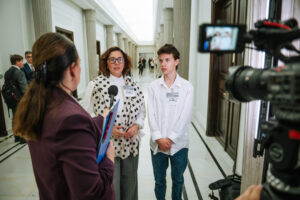
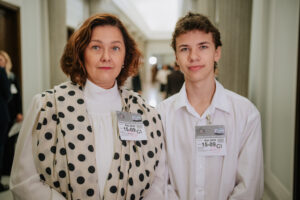
How anaphylaxis changes the regular life of the full family, she spoke during the gathering Anita Danisiewicz-Kawecka, Konstanty's motherwho experienced the first shock as a teenager after consuming an energy drink. As she stressed, after specified experience, the household must be prepared for further situations, and awareness of the threat besides affects the functioning of the kid in and outside school. – Today, the son's school is prepared to react, but it only happened after he experienced anaphylaxis.
Prof. Karina Jahnz-Rożyk, National Consultant in Allergology, pointed out that the problem of allergic diseases in children is increasing, despite expanding designation of the mechanisms of these diseases and available treatments. As she stressed, in the context of anaphylaxis, 2 groups of children must be remembered: those who have already been diagnosed with allergy and hazard of anaphylaxis and who may be adequately prepared for reaction and those who first experience it.
– We must not forget about the group of 25 percent anaphylactic reactions, which happen for the first time in a place where there is no access to medical personnel, e.g. in schools, kindergartens, on the field," said Prof. Jahnz-Rożyk.
According to the national consultant, systemic preparation is peculiarly crucial in specified places, as the child, parent, teacher or educator may not know that there is simply a hazard of anaphylaxis.
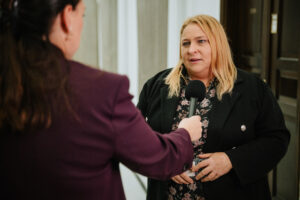
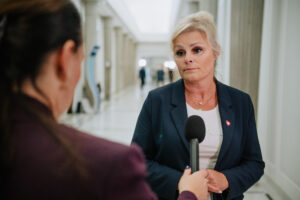
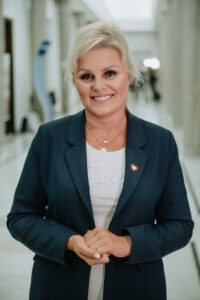
During the gathering Senator Ewa Monika Kaliszuk She spoke about the talks she had with school principals in fresh days. Their answers showed how different the situation of the various institutions was. “In 1 of the talks, the school principal, who teaches 440 children, answered the question of the availability of adrenaline: “But we do not have specified children.” I say, "What kind of kids don't you have?" "We have no children with allergies". And yet, as the prof. said, in 25 percent of cases, a kid may experience shock for the first time. Dear director, dear teacher, educator – you may not know that specified a threat exists. This kid may not know it either," said Senator Kaliszuk, stating that this is not a charge against teachers or directors. On the contrary, according to a school senator, they request systemic support, clear rules and the ability to gain applicable knowledge. – I am wholeheartedly on the side of directors, teachers and educators who are overloaded, have more and more tasks, and there are more and more chronic diseases and sick children in schools. I don't blame them. They request immense support – she emphasized.
nasal adrenaline: simpler form, smaller barrier
One of the most crucial topics of the discussion was the epinephrine in Poland. Its simpler method of administration may be applicable erstwhile a individual reaches for the medicine without medical education, acting under time and stress pressure. Prof. Marek Jutel pointed out that the form of administration may be crucial due to "fastness, simplicity, acceptance", and that fear of administering intramuscular adrenaline may be 1 of the barriers to providing assistance.
This amendment besides opens a fresh discussion on strategy solutions for schools. president Ms Maja Nowak She pointed out that, just recently, 1 of the arguments against specified solutions was the difficulty of the teacher's assessment of whether wellness and life were in danger. Today, with the onset of nasal adrenaline, the situation is different. “The availability of nasal adrenaline opens a fresh field for discussion on the systematic implementation of specified solutions in Polish schools”, she said.
There was besides a strong argument in the discussion about the fear of administering adrenaline erstwhile yet it was not needed. MP Barbara Okula However, she pointed out that fear should not be a barrier to saving lives. – If we give adrenaline and the baby has no anaphylaxis, nothing will happen! – she emphasized.
Adrenaline is an component of wider kid care
Prof. Teresa Jackowska, president of the Polish Paediatric Society, pointed out that access to adrenaline in schools should be treated as should access to defibrillators, i.e. as an component of life-saving infrastructure. – Why do we gotta have lifesaving equipment in the form of a defibrillator in all place in Poland? It's the same for me. Adrenaline is equal to the defibrillator – she argued, adding that the same life-saving preparation in anaphylaxis should be available in places where there may be a abrupt threat to wellness and life.
Senator Ewa Monika Kaliszuk pointed out that the problem of adrenaline availability does not end in a school building. As she stressed, the improvement of the education "Compass Tomorrow" assumes that students will spend more time outside the school – while going out and out. Therefore, adrenaline should besides be included in the first aid kit, which the teacher takes with him, going with class outside the facility.
The Senator pointed out that in the case of an injection-required preparation, the teacher may have concerns about its use, while the simpler form of administration, in aerosol, may facilitate a fast consequence to emergency situations.
Ministry of wellness examines solutions
The participants had no doubt: adrenaline must be available in educational facilities. However, clear procedures and training are equally important.
Counselor Bartholomew Sasin pointed out that present 1 of the main barriers is the school's inability to get adrenaline – in his opinion the solution could be to let educational establishments to acquisition certain medicinal products straight from pharmaceutical wholesalers. As Sasin explained, specified a solution would aid to safe in schools a certain adrenaline pool for first aid while maintaining control over the marketing of medicinal products.
The counselor besides pointed to the existing rules on the provision of first aid to schools. In his opinion, these regulations could regulate the retention of adrenaline and the training of staff.
During the meeting Magdalena Kramska from the Department of Treatment and the Department of Equality in MZ Health announced that analytical work on access to adrenaline in schools is underway; the ministry is presently consulting possible solutions with the Chief Pharmaceutical Inspectorate and the Office for Registration of Medicinal Products. The financing and organisation of a possible wellness policy programme remains a separate issue. The Ministry has already received a proposal for its framework.
The discussion thus showed that the problem of adrenaline at school is not just about buying a drug. The aim is to make a full system: the available preparation, clear rules, applicable training and work distributed between the school, wellness care and administration. It is peculiarly crucial to include children who may first experience anaphylaxis. “But the most crucial thing remains to let schools to buy adrenaline,” concluded Maja Nowak.
photo by Maciej Domański